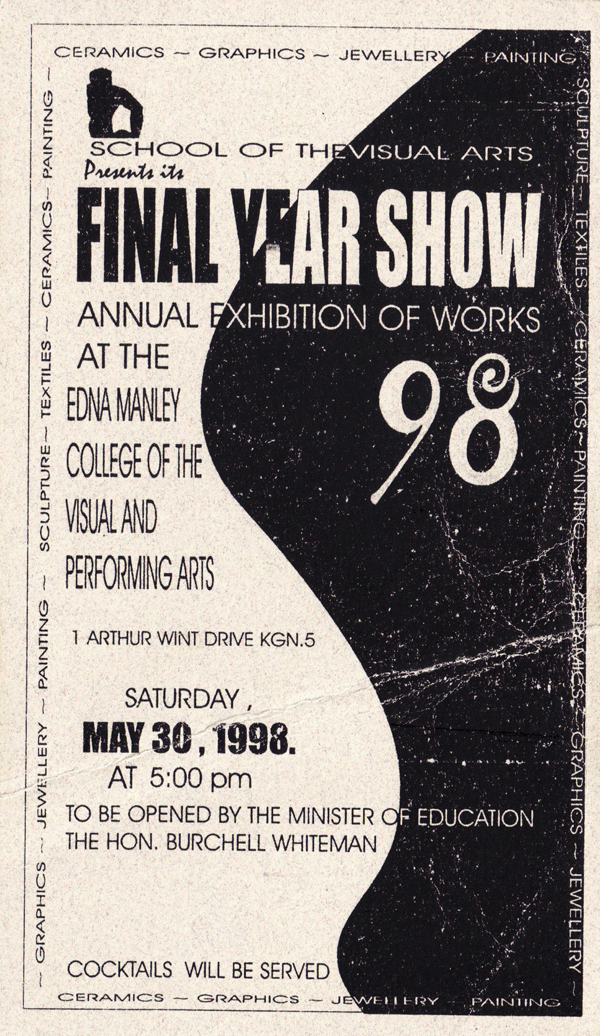
Art School Exhibition 1998
BACKGROUND TO MY PROBLEM OF EXPRESSION…
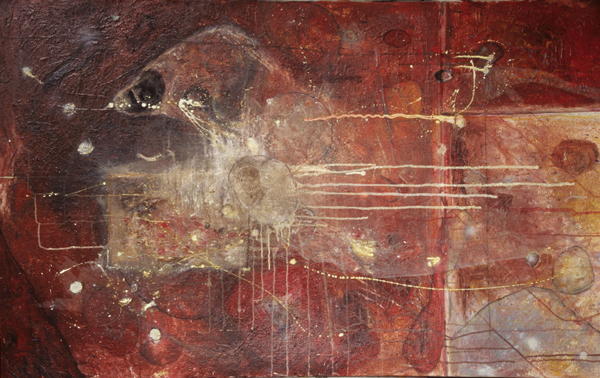
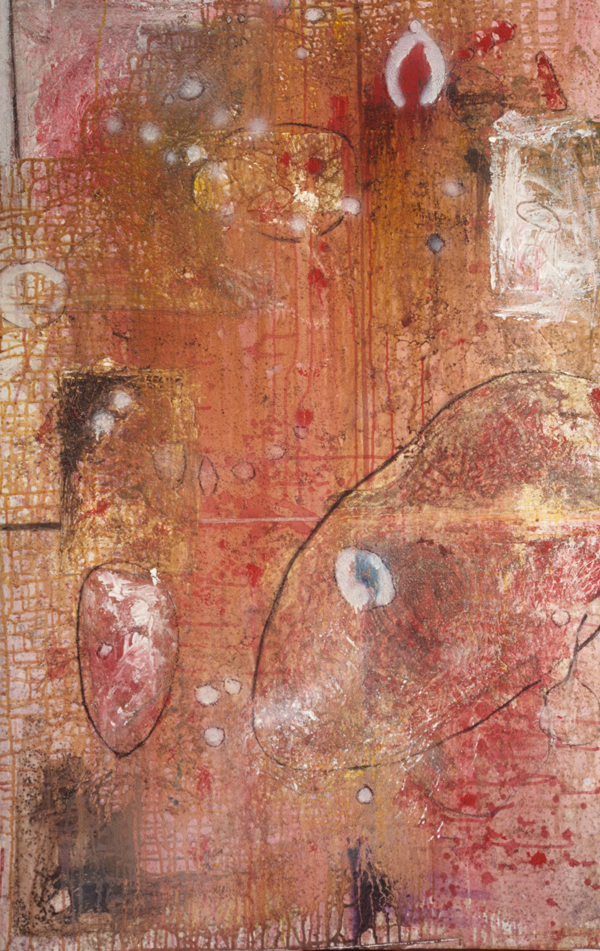
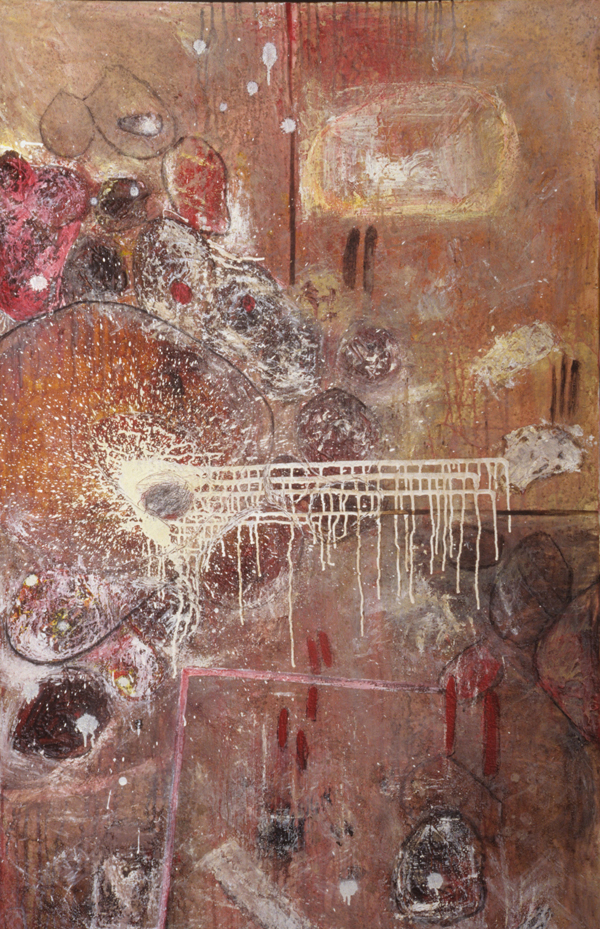
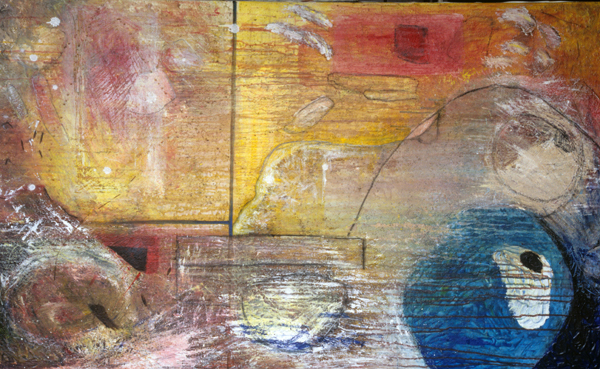
If an artist, let alone a serious student of the arts is to adequately cope in today’s Jamaican society, with the cost of traditional painting materials so expensive, he or she has to find other ways of making paintings that prevail on their own made from unusual materials . One does have to totally depend on traditional materials such as oils and acrylics to make paintings of value with relevant content. The artist then must be girded with sufficient and powerful knowledge and skills to be able to work around these problems of the cost of traditional materials in the fine arts. My expression is one of economics, of using whatever materials are available to suggest traditional materials to make art.
I have a tendency to believe that my art is a reflection of my economic situation, of not being able to purchase sufficient amounts of traditional painting materials to experiment and make paintings of essence and subject matter to make comparison to other contemporary artists anywhere else in the world. I have a burning desire to document my expression on a format and the search is to use whatever means and materials available to bring that image into realism.
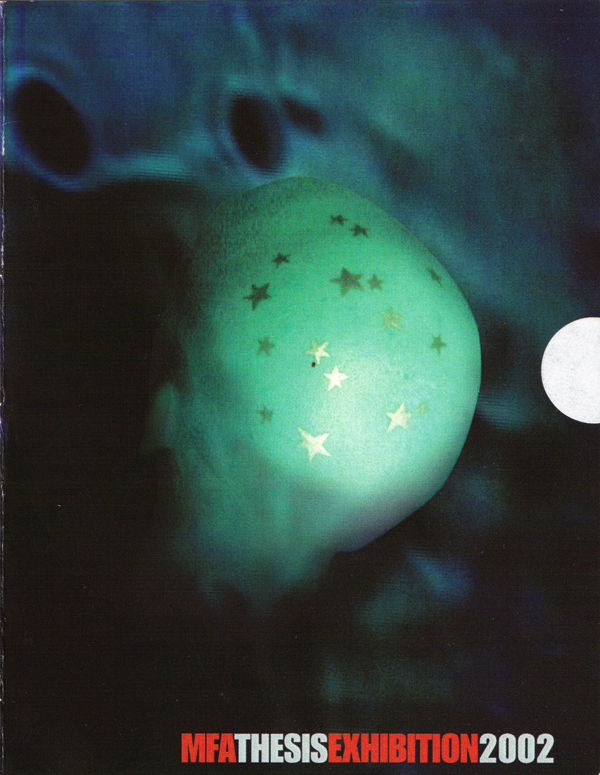
MFA Exhibition 2002
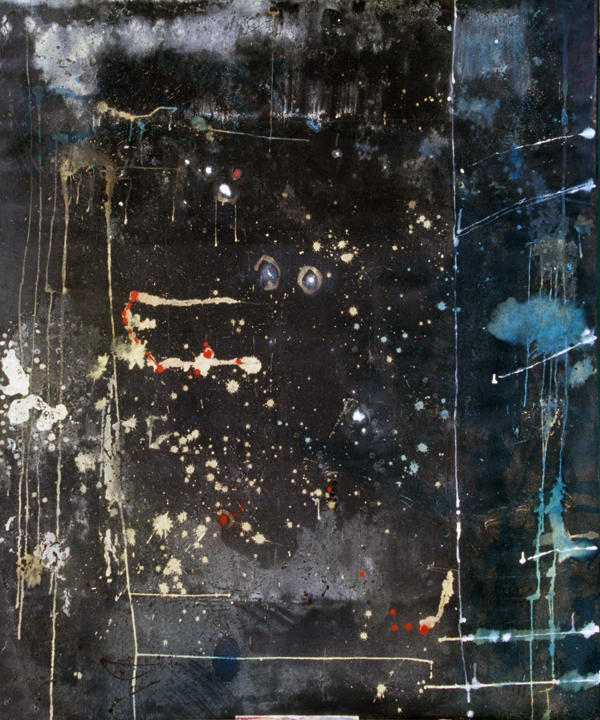
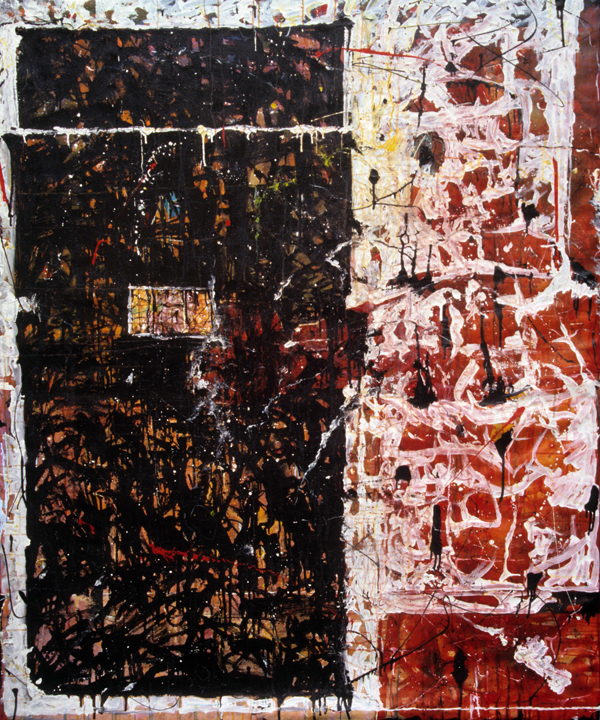
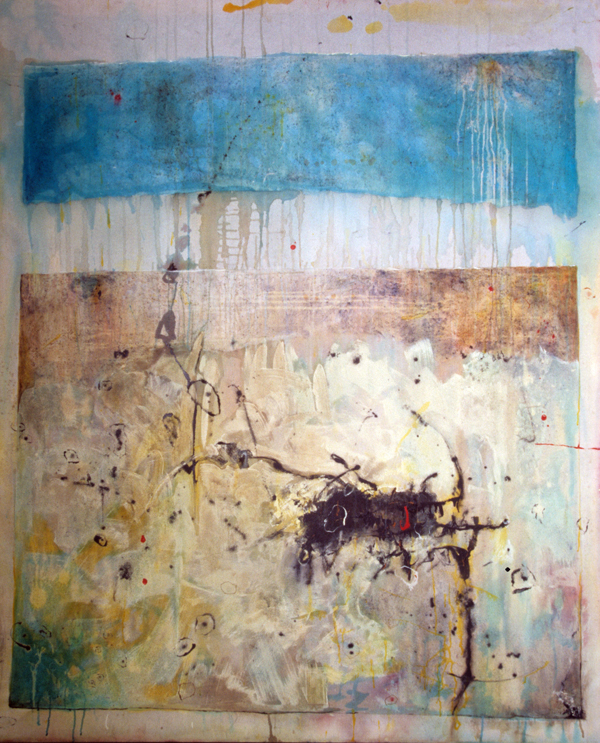
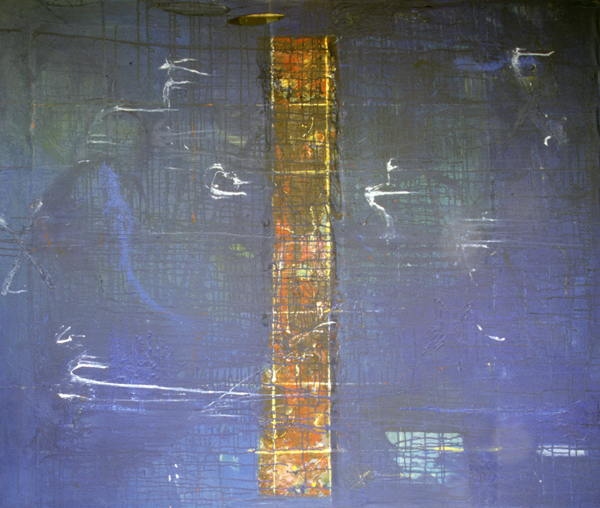
The Persistence of Memory in Materials: Past, Present and Future
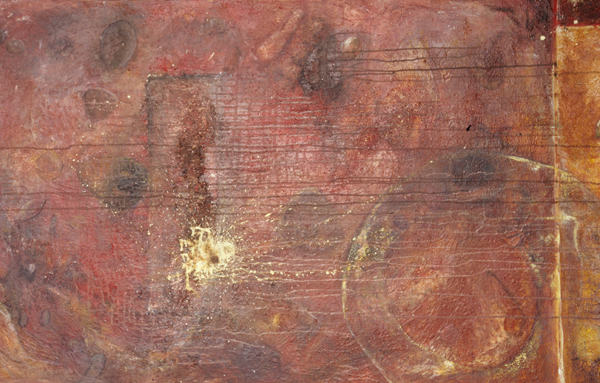
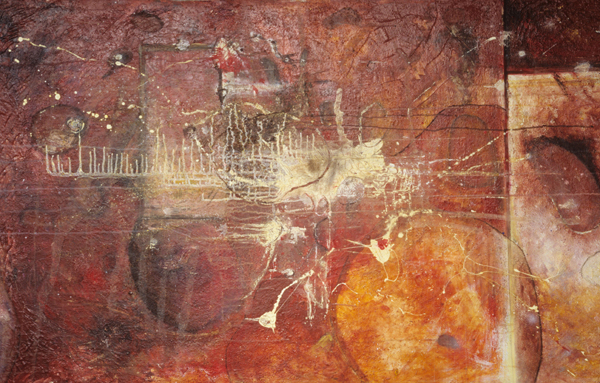
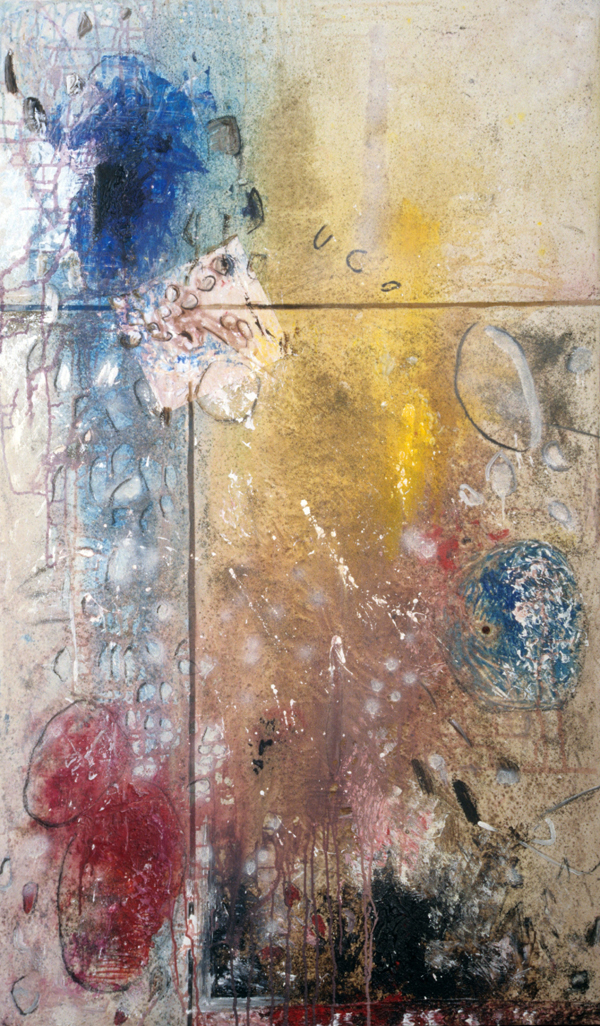
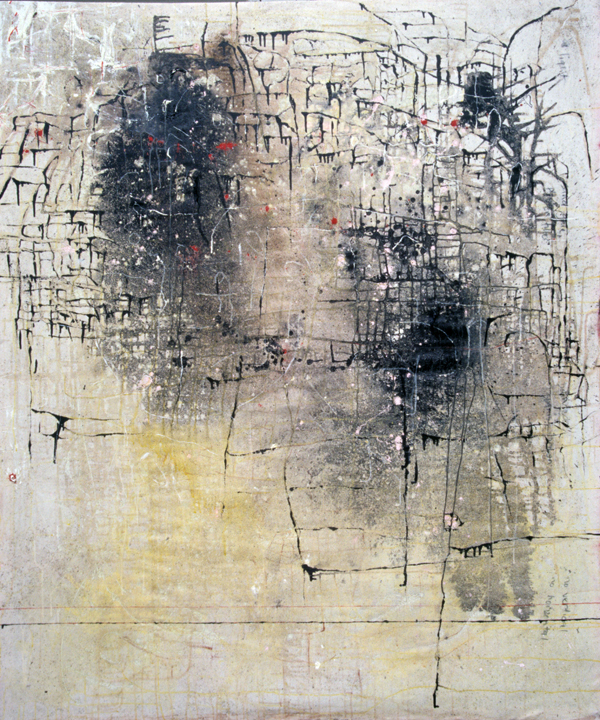
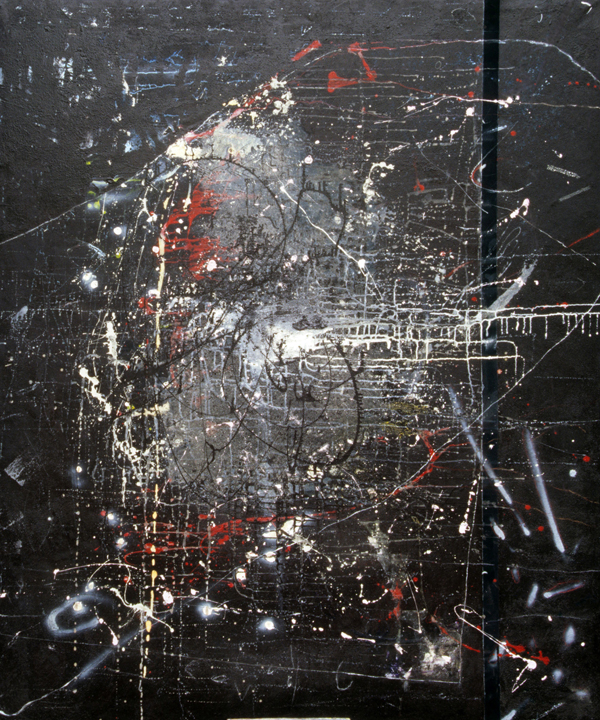
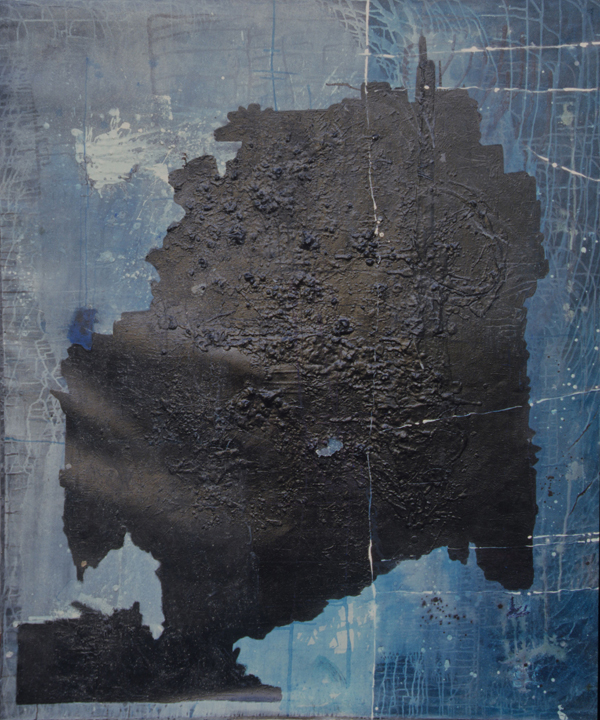
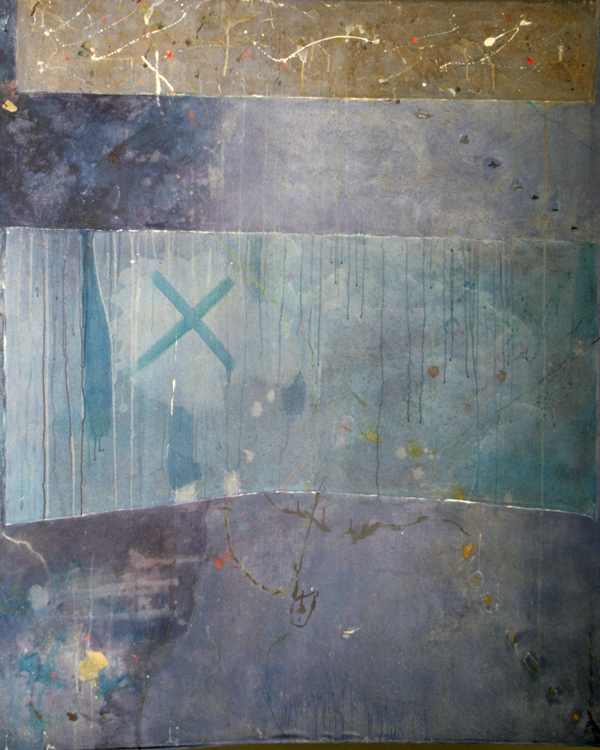
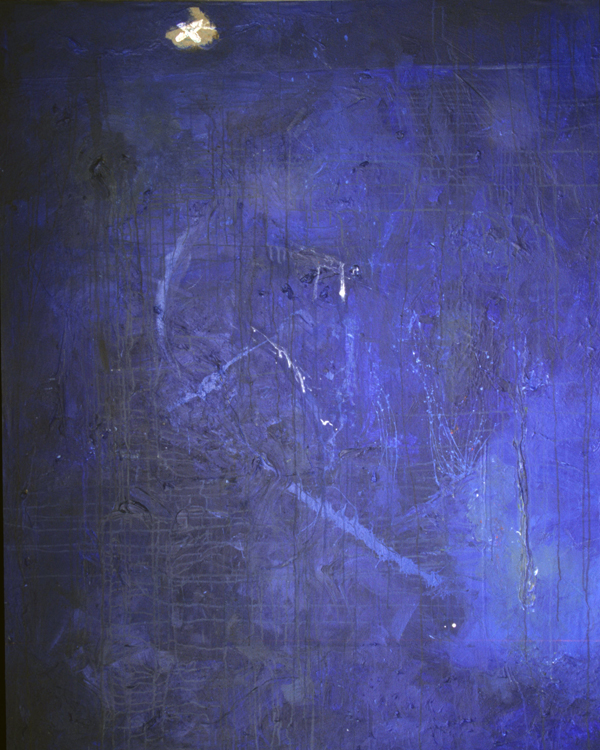
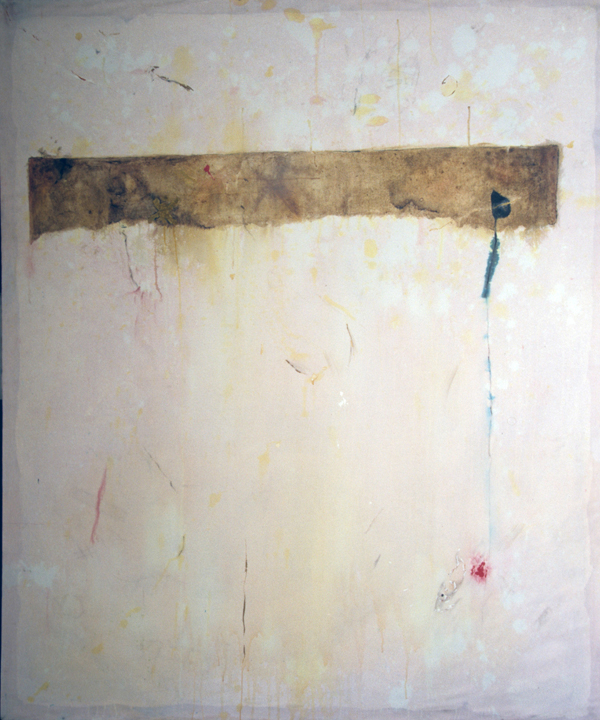
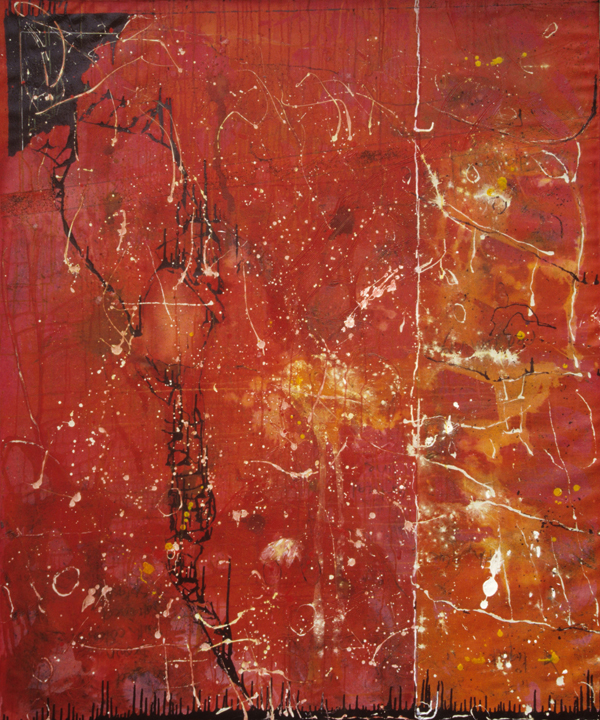
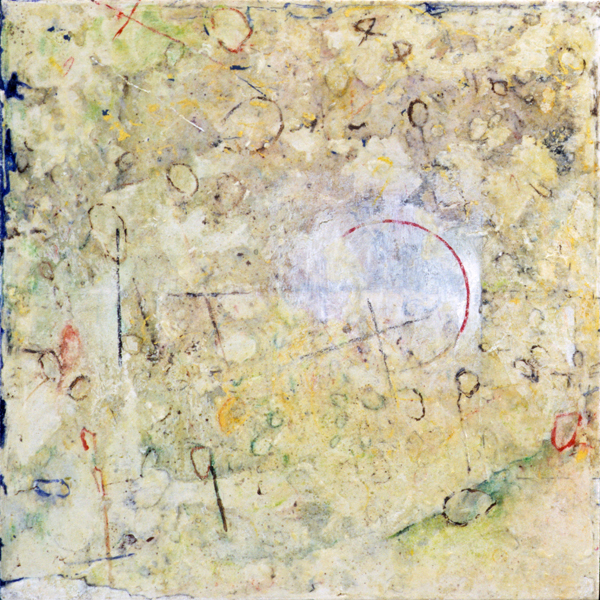
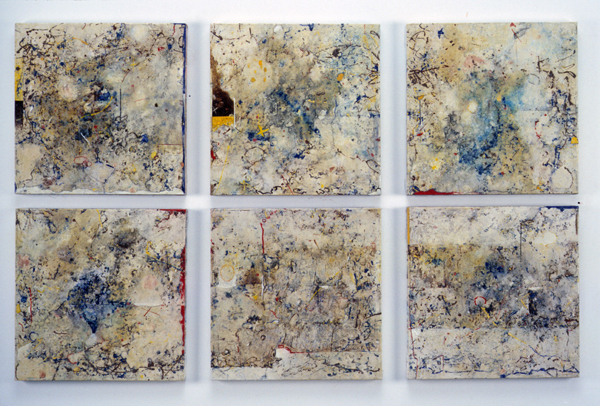
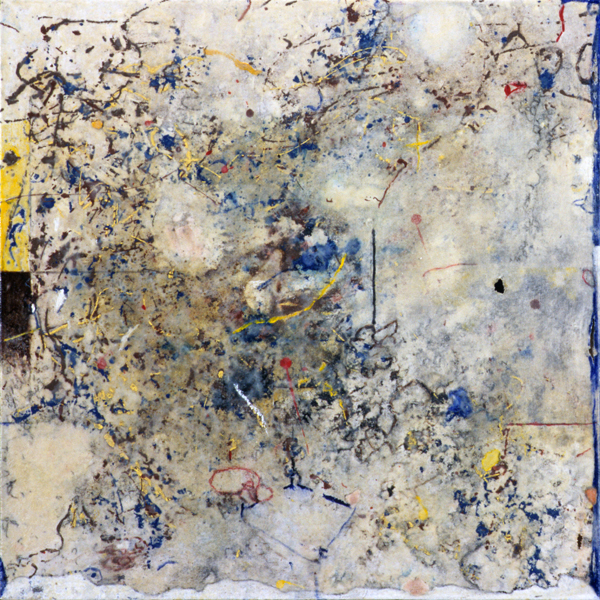
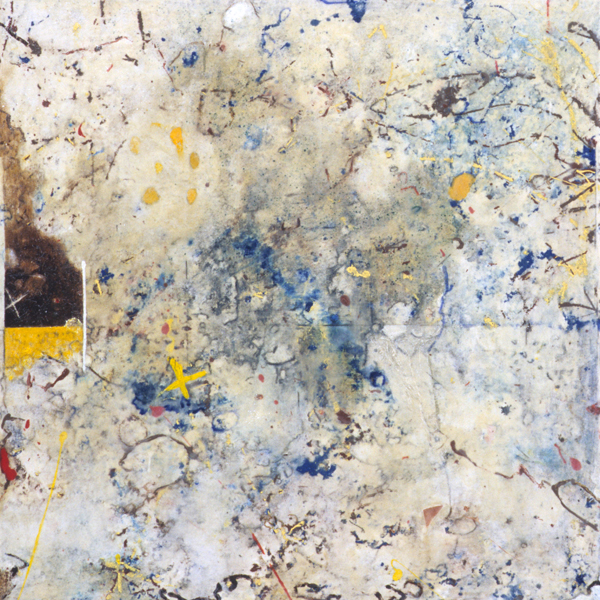
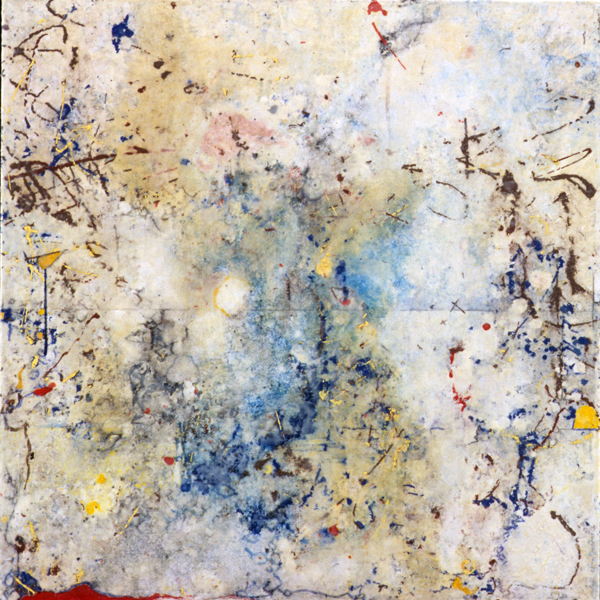
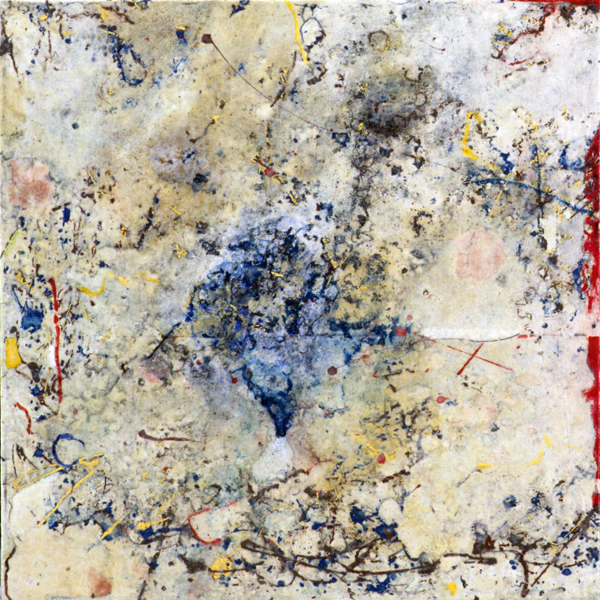
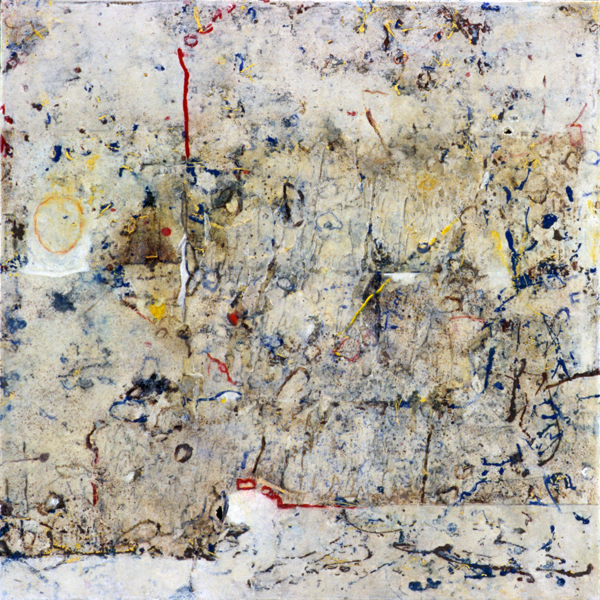
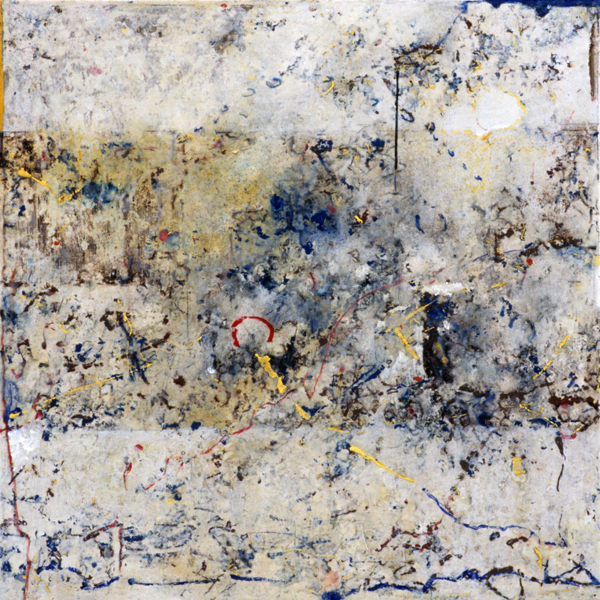
I make paintings that are about my dreams. They are documentations of emotions or feelings about the unconscious mind on canvas. Through five stages, I use a process utilizing non-traditional materials, to reveal the nature and meaning of my dreams, and the consequence this meaning might have for me.
The process allows me to create through these non-traditional materials, an illusion in surface, which simulates the dreams. The expression becomes the synonyms for dreams. In the paintings, I investigate such sensations as loss, separation, travel, relocation, dislocation, isolation and alienation.
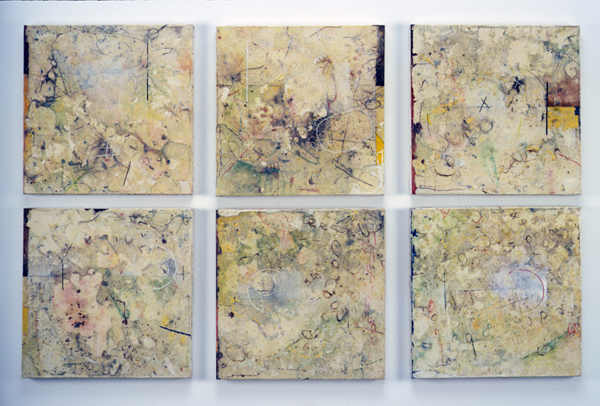
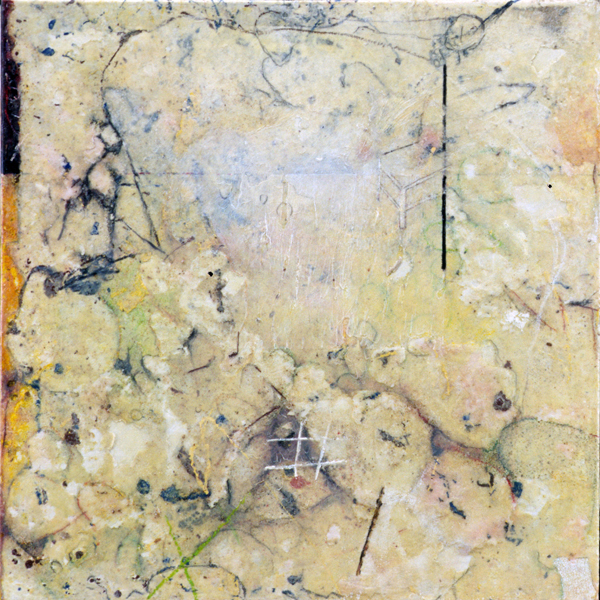
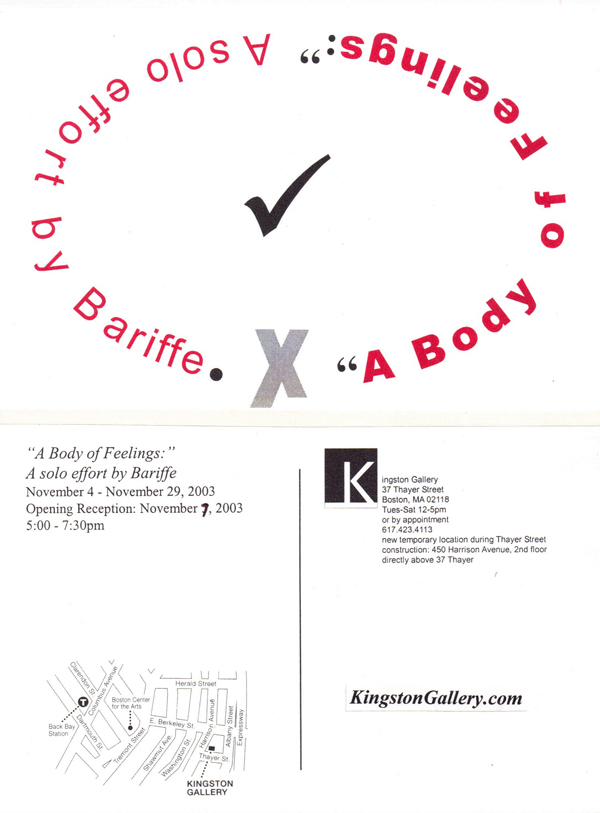
Solo Exhibition Kingston Gallery 2003
Artist Statement
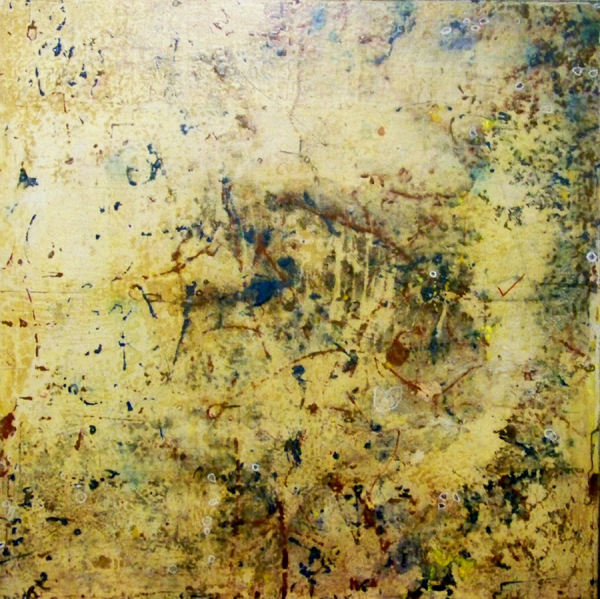
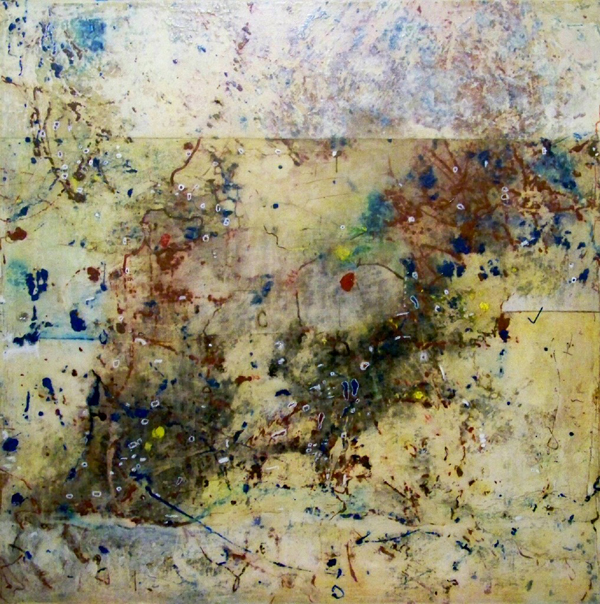
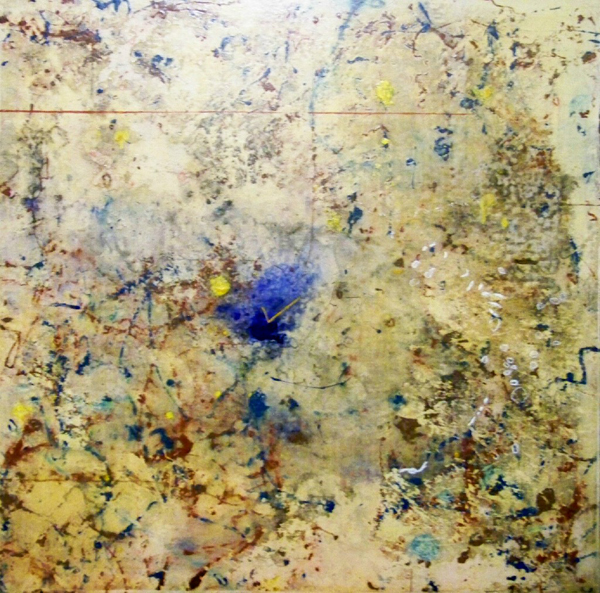
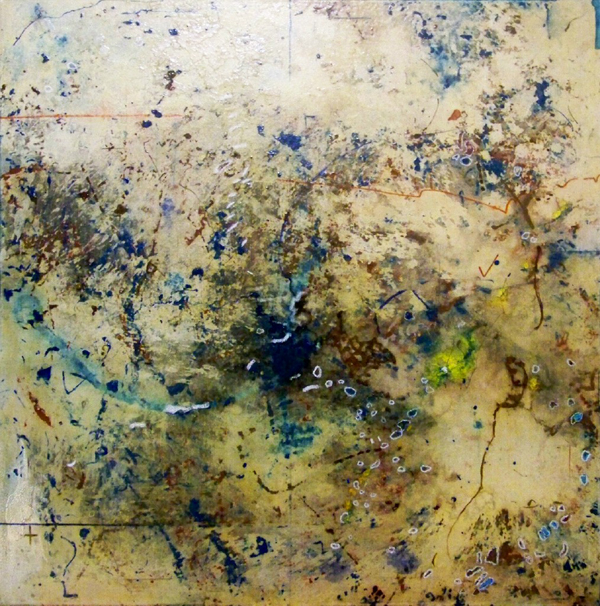
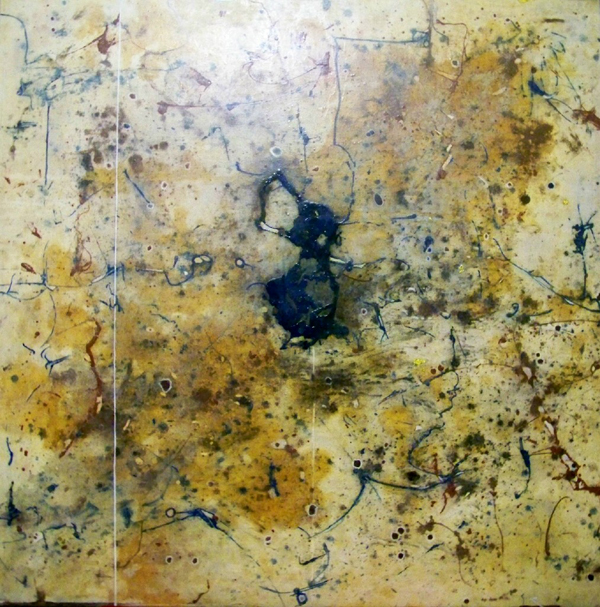
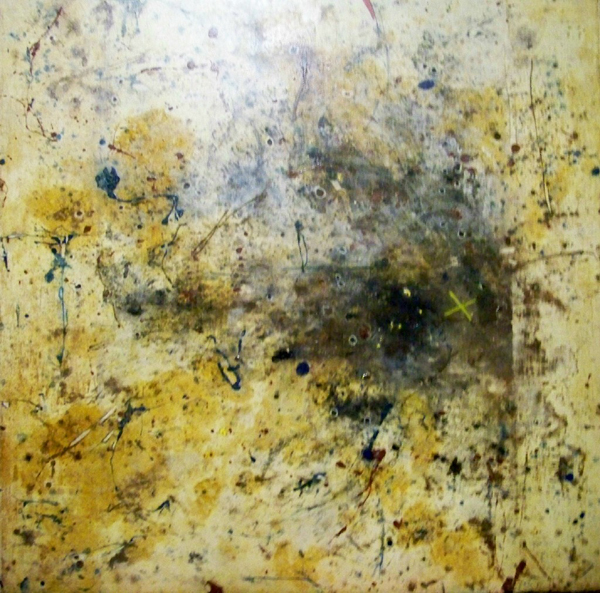
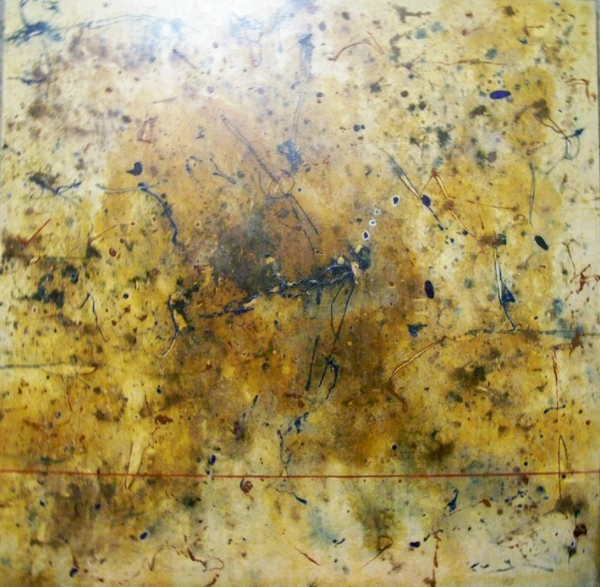
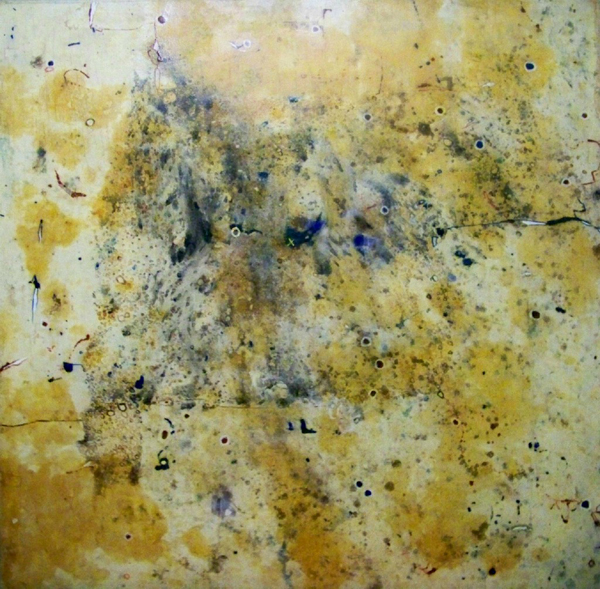
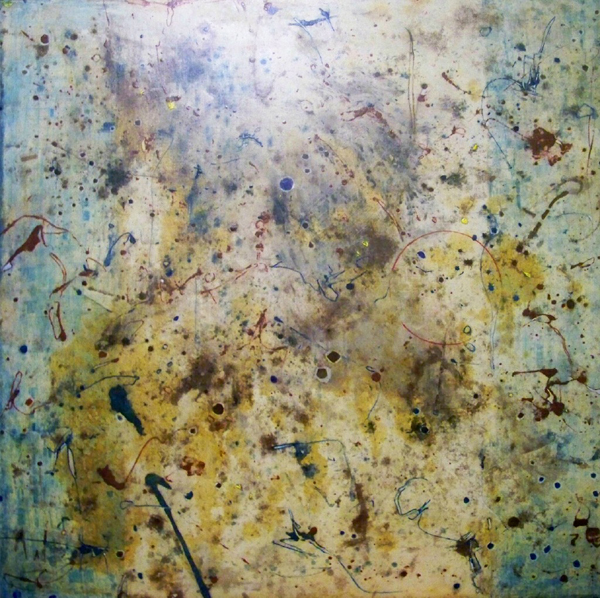
I went to sleep to slumber to dream and experienced “A Body of Feelings ” of which I was that ‘body of energy,’ and awoke to relive this energy on canvas. I had glimpsed the canvas, tainted, the picture already painted, which was the dream.
I began at the end, the dream, an accumulation of materials, and sought to translate this fluid language and bring it into my material world. Using five stages, and with the use of non-traditional materials, for I had found that traditional painting materials had lost their excitement, and as such found in my materials a fluidity reminiscent of my unconscious feelings, poured my consciousness unto surfaces, and then subtracted, and drew and added and layered, working always in reverse, to cut open, peel back, extract, and unpack to arrive at my unconscious intent.
The repetitive process gave way to the workings of my mind and the externalization of my memories and thinking. In that thinking the titles reference time or dates and are linked as one in the signage. The ‘January Last’ series hints at a repetition of the same reoccurrences or Déjà vu, while counting always, and having afresh to start with each learning. My progress noted in the ‘Television Series,’ the now watchdog of my consciousness.
Springfield College Exhibition 2007
Artist Statement
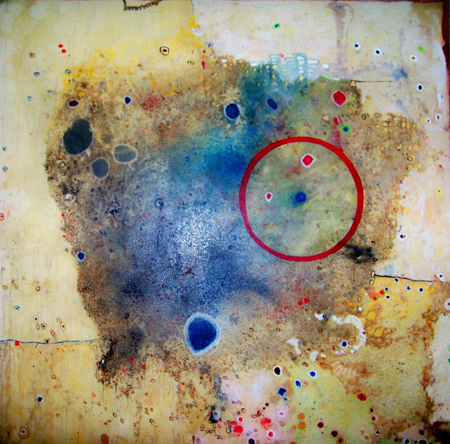
For about ten years I have been working with household chemical products to make my paintings. I started their use in combination with traditional painting materials to experiment with and use as a surplus these household chemical materials on a painting surface. Through a series of stages I reverse the idea of design and composition.
The traditional idea of painting starts with the “thought” and “process” follows to achieve the end result, in the five pieces “process1 takes precedence and “I foraging through the violence of the materials compose them” and in so doing they provoke my “thought” to inject into the surfaces reminders that can be summoned from the psyche.
Online Exhibition 2010
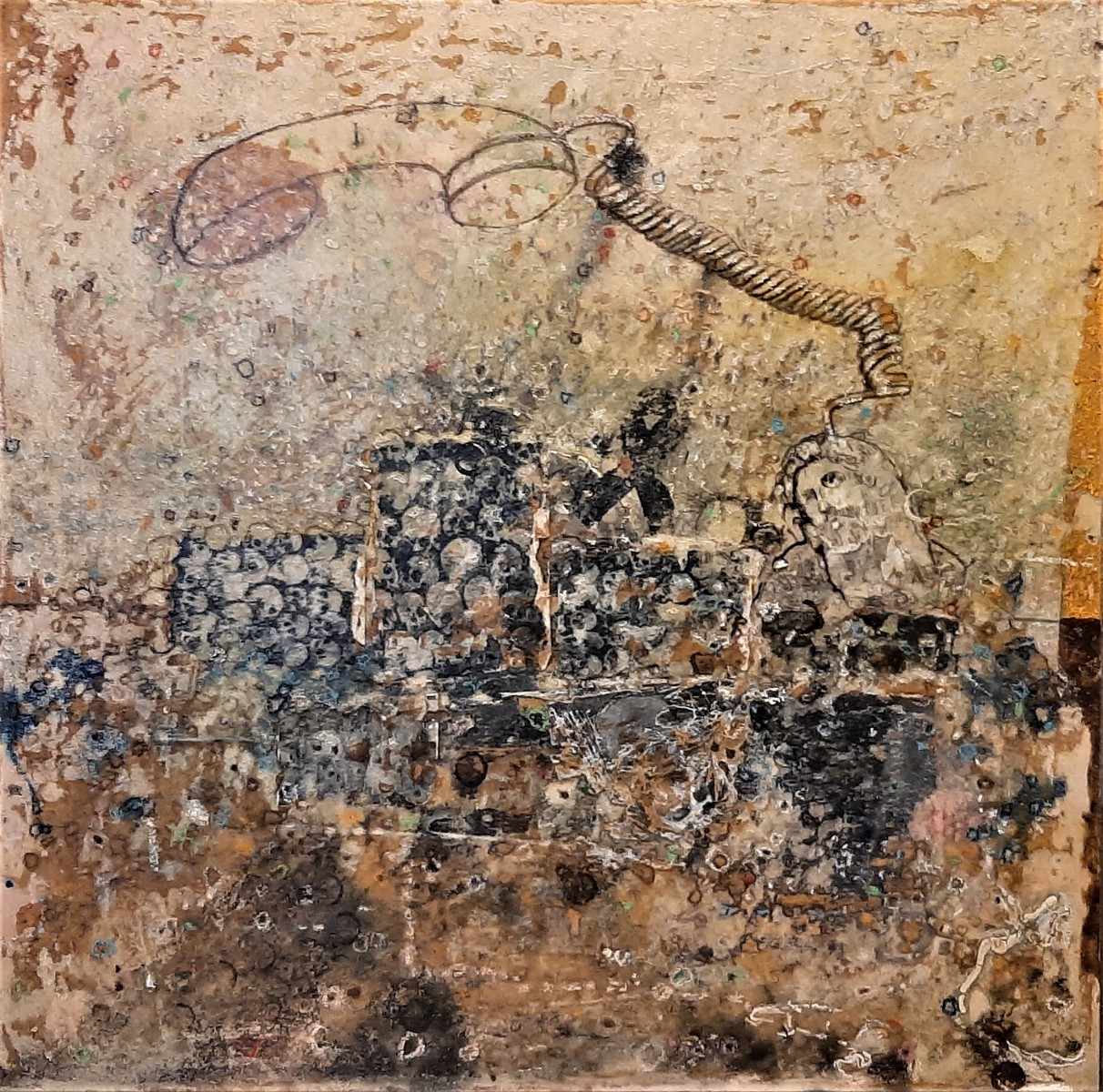
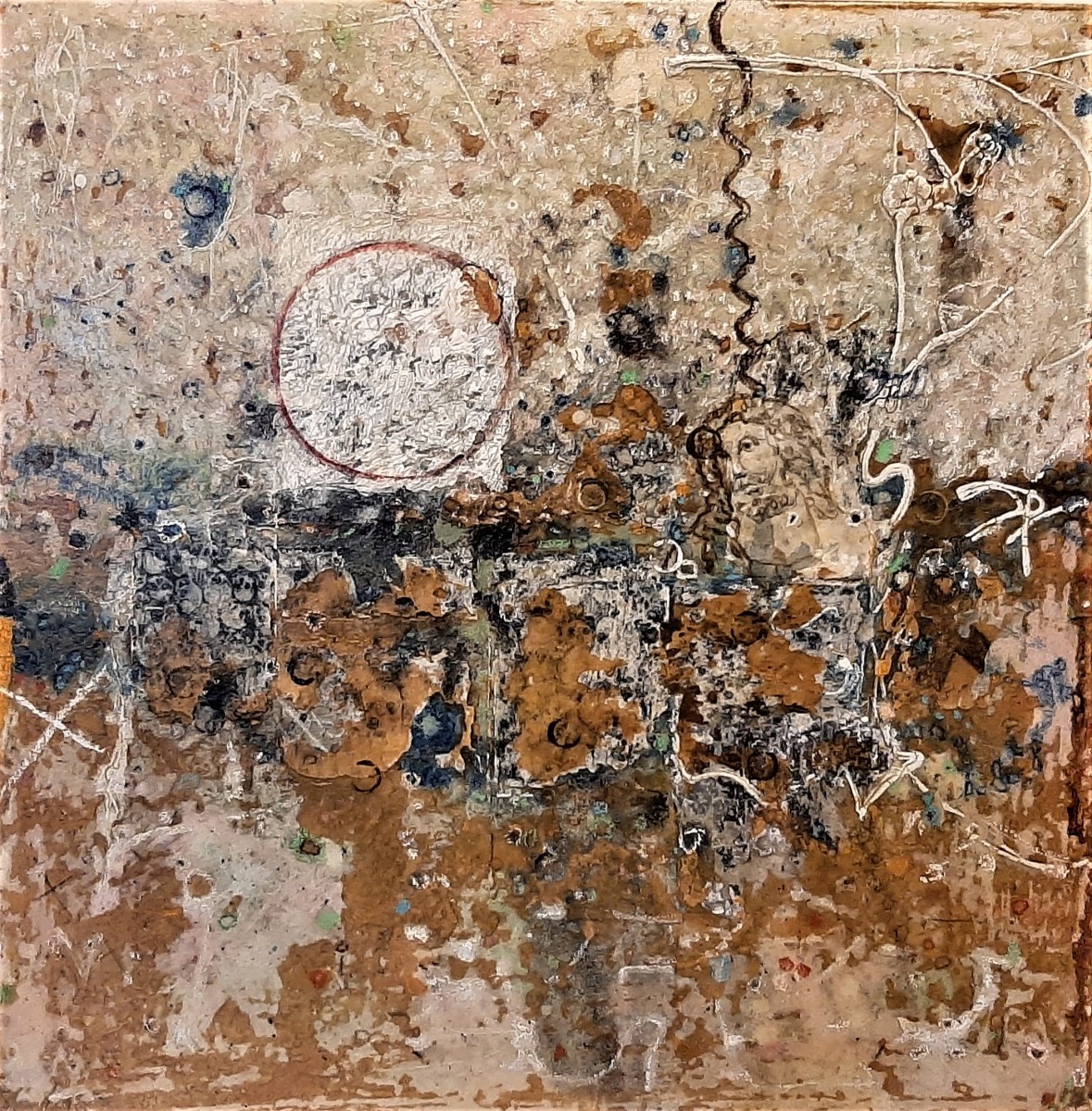
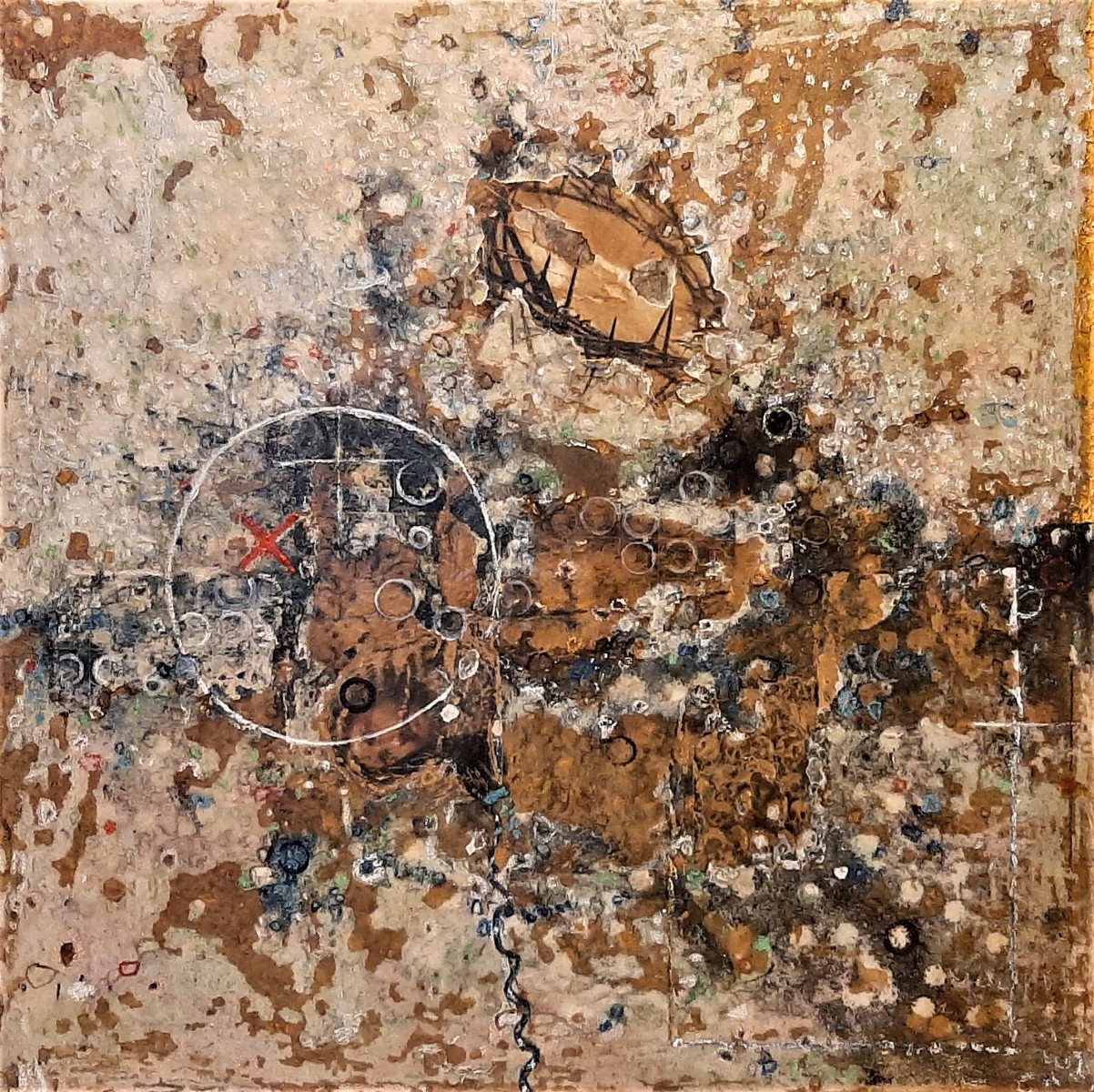
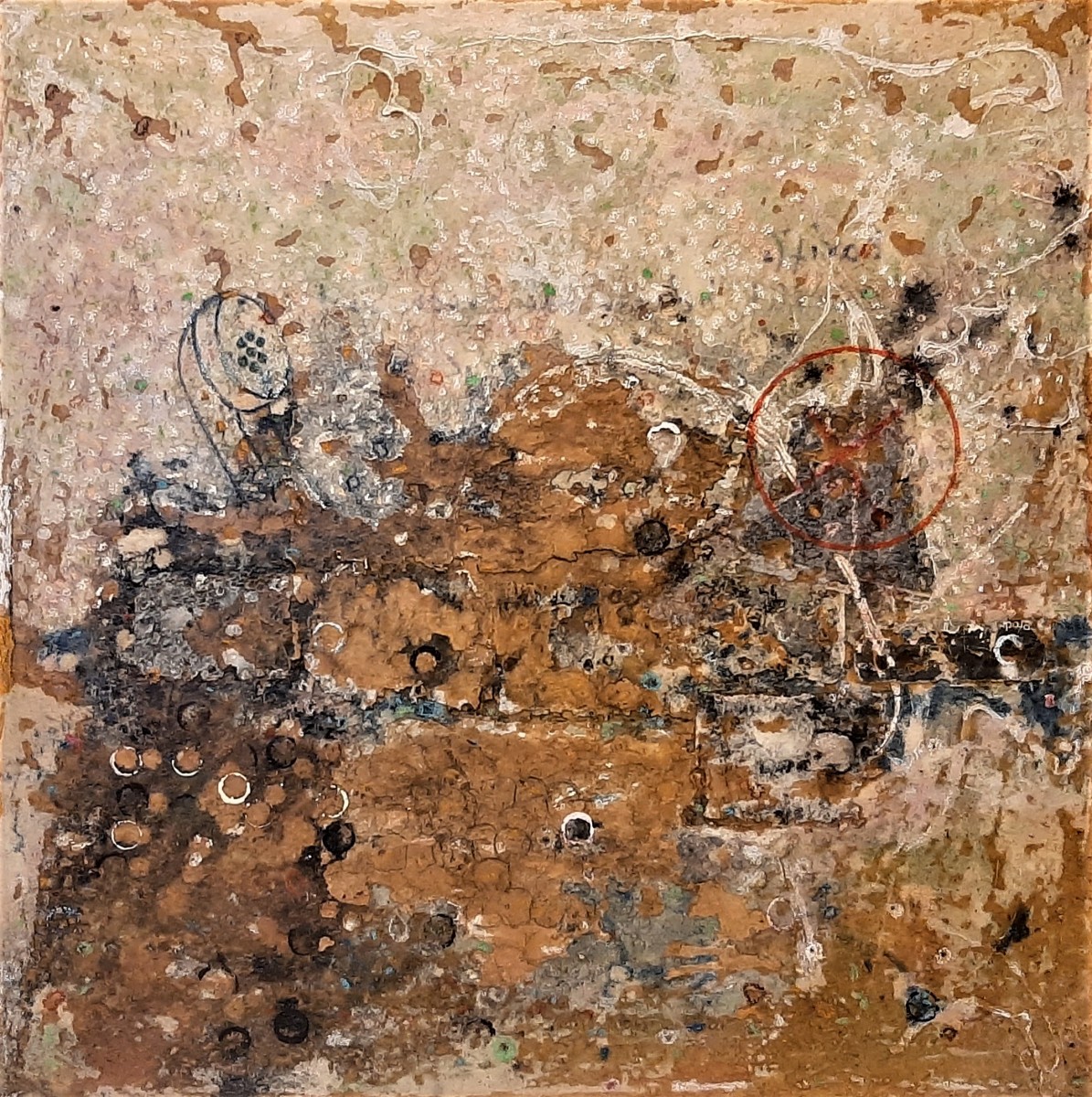
” Transforelation: reverse reaction”
Artist Statement
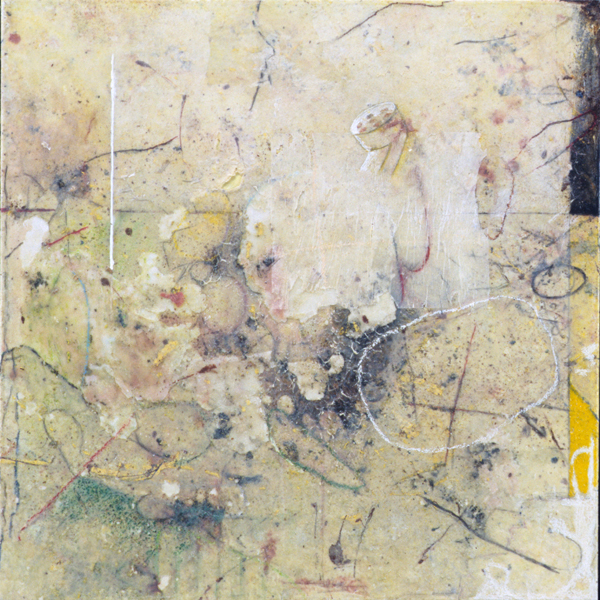
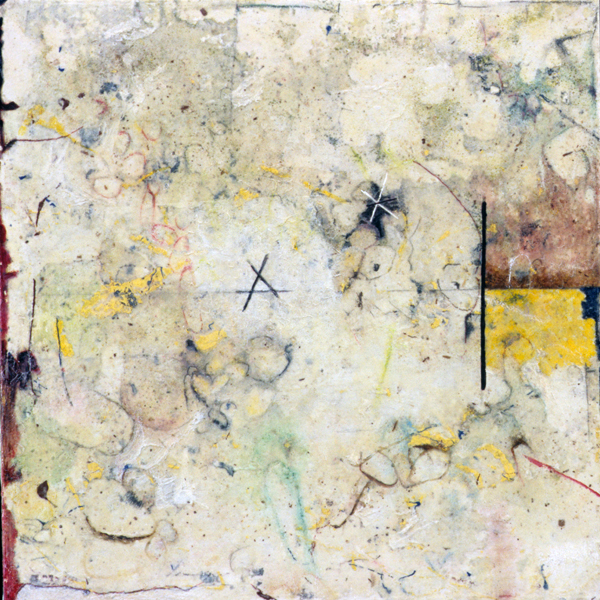
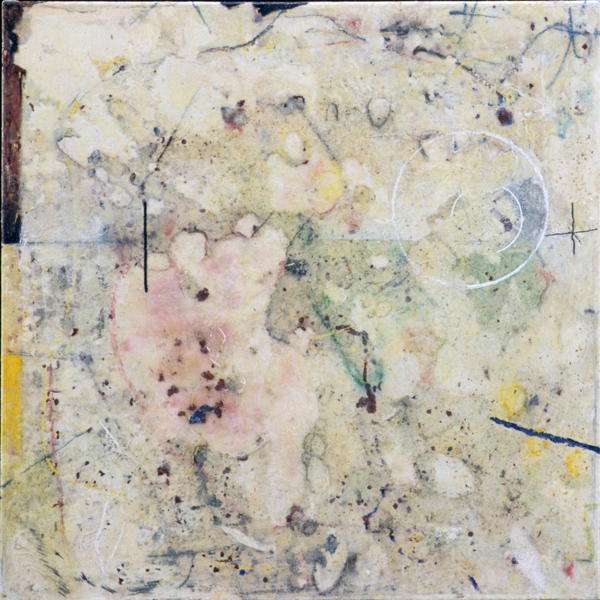
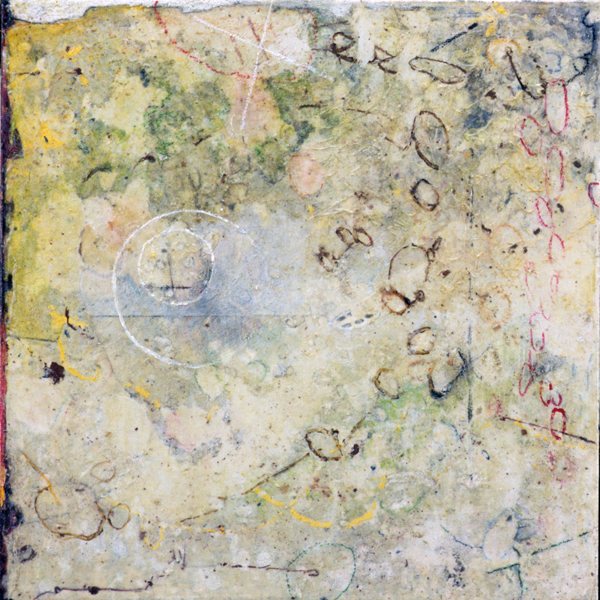
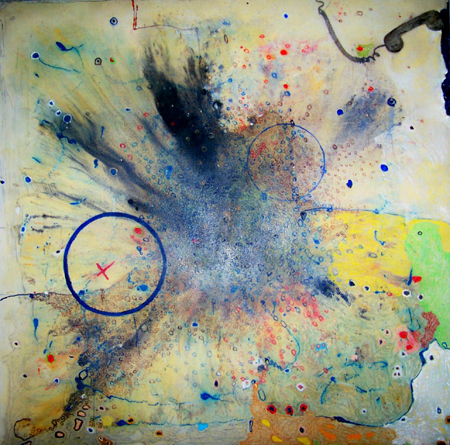
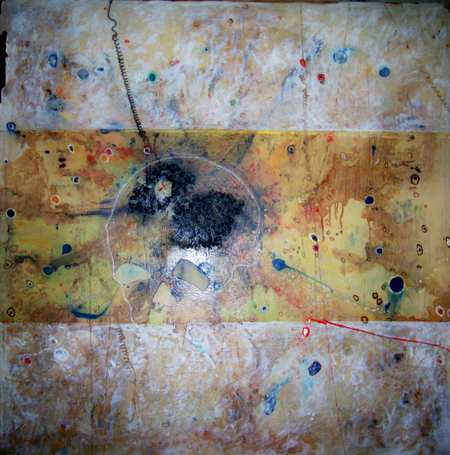
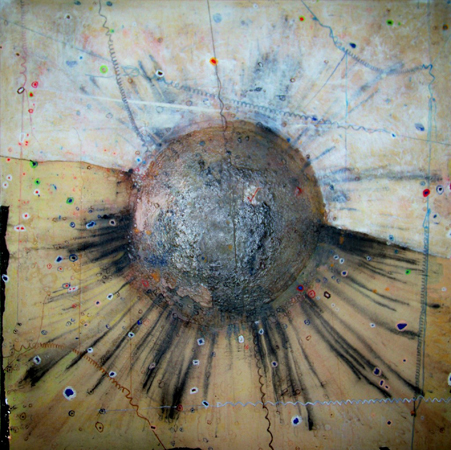
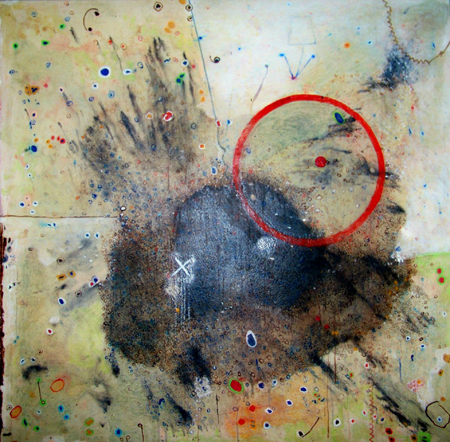
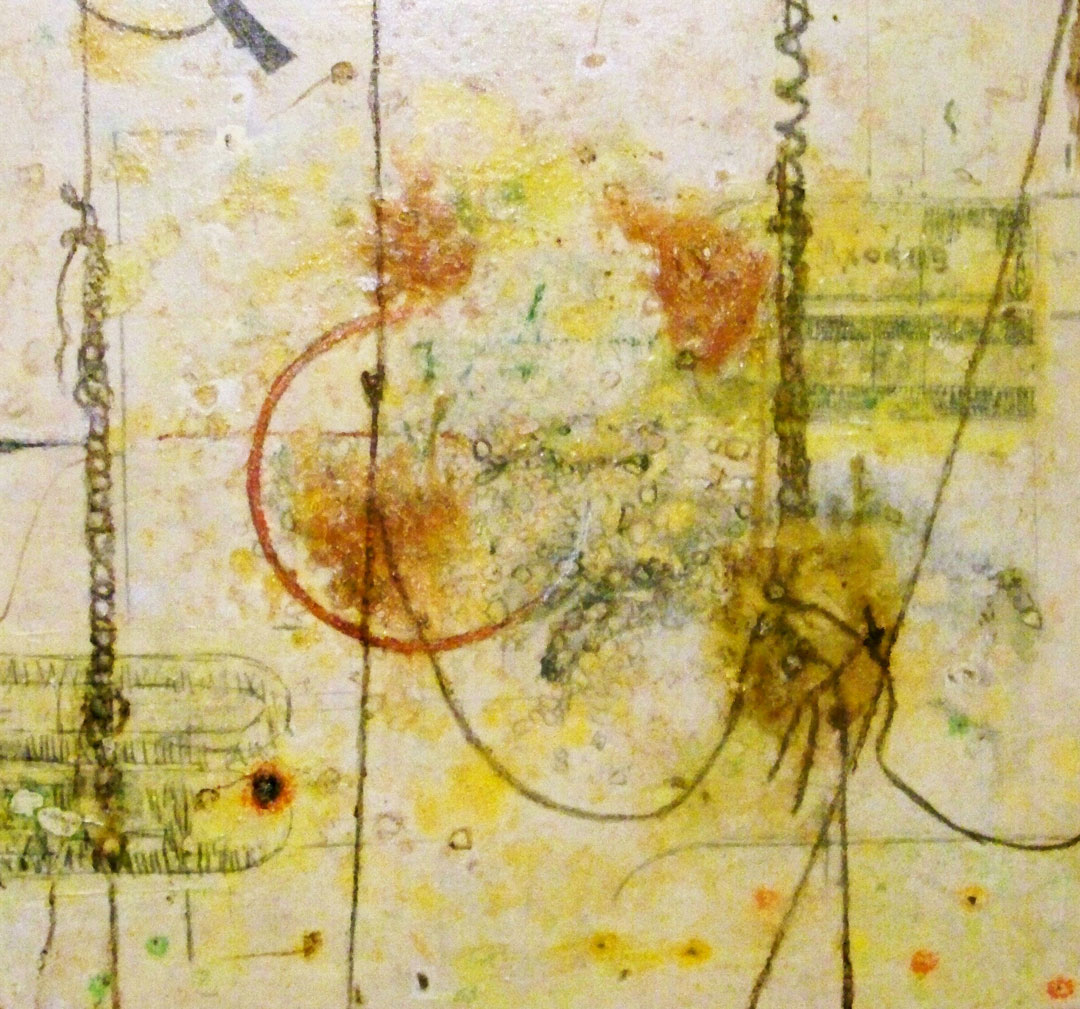
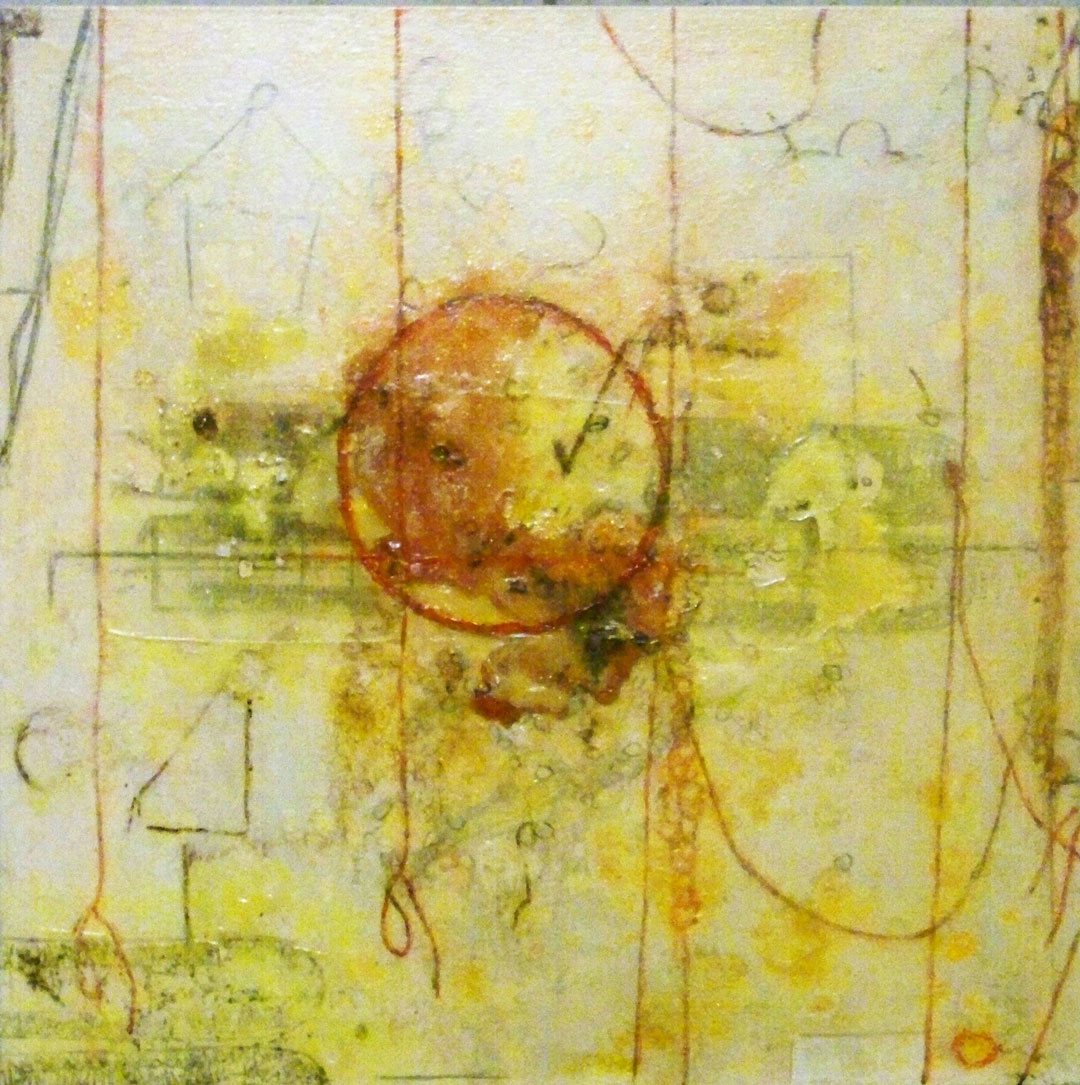
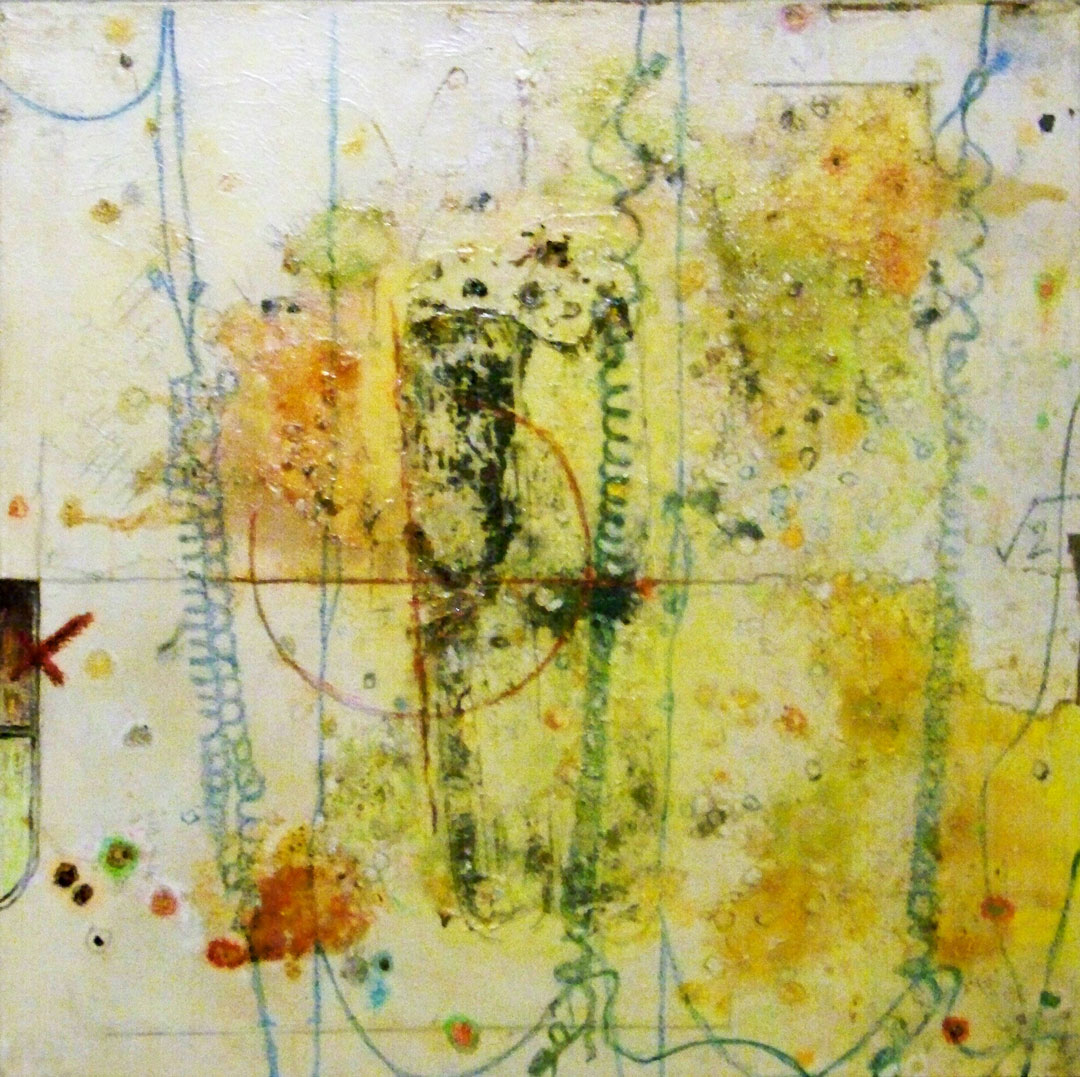
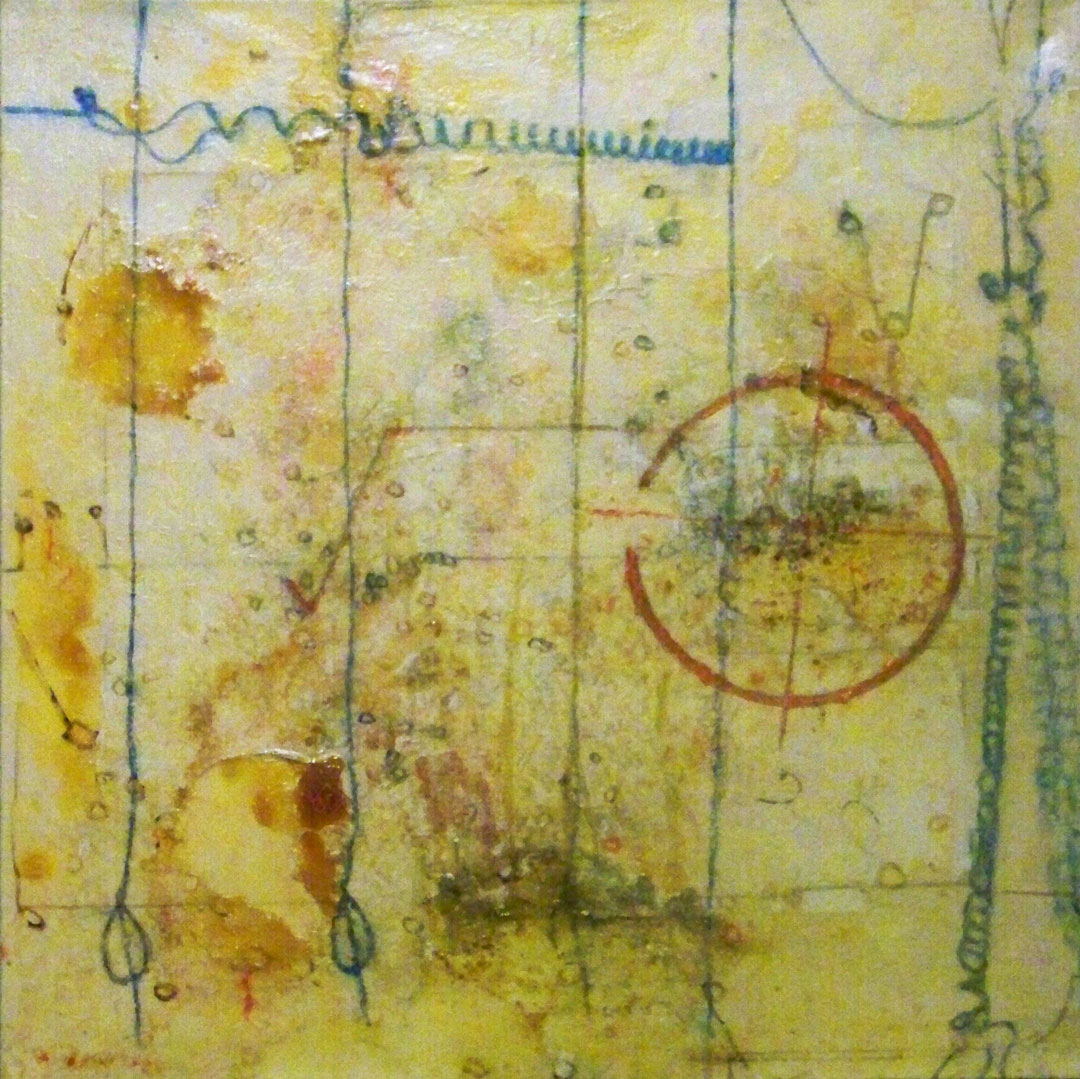
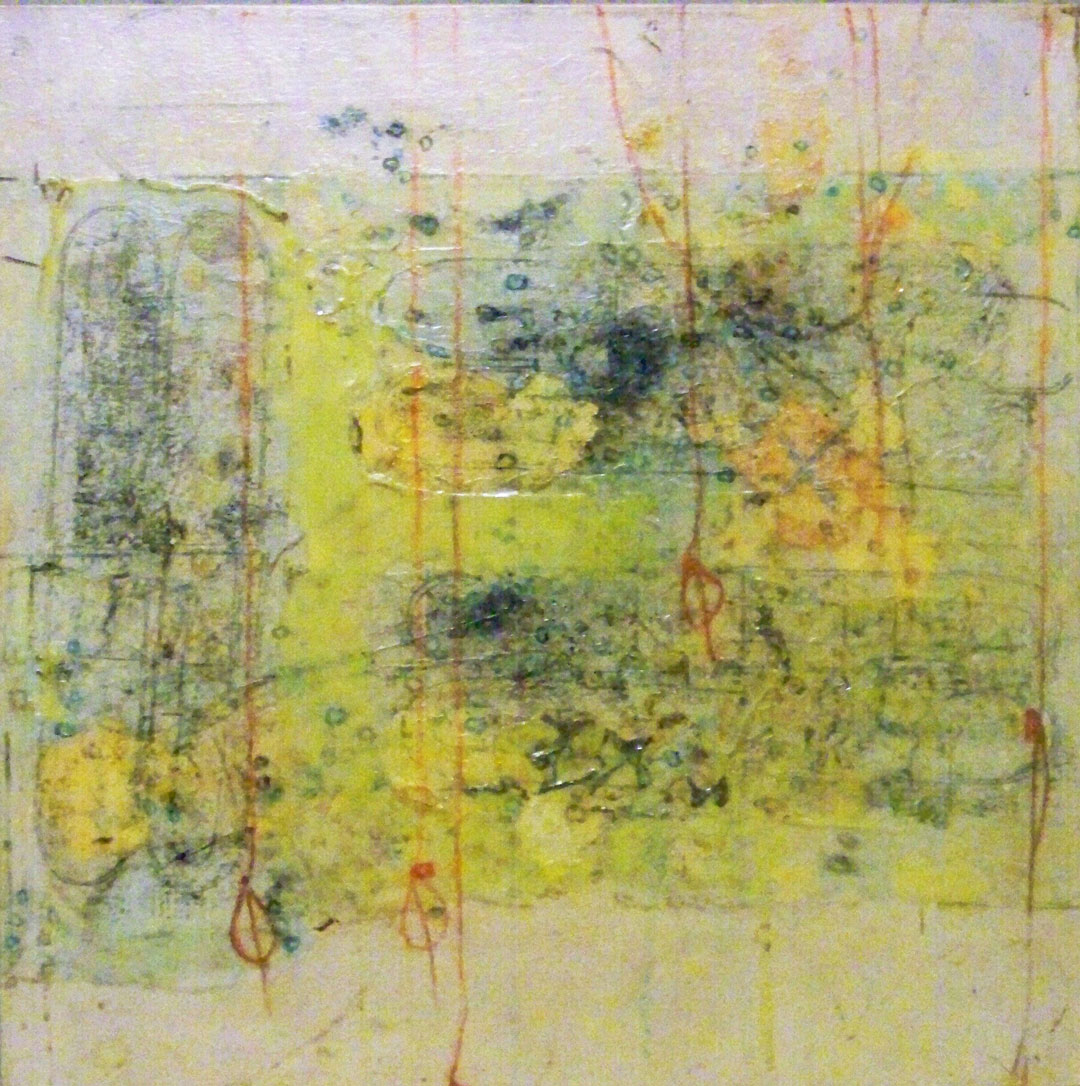
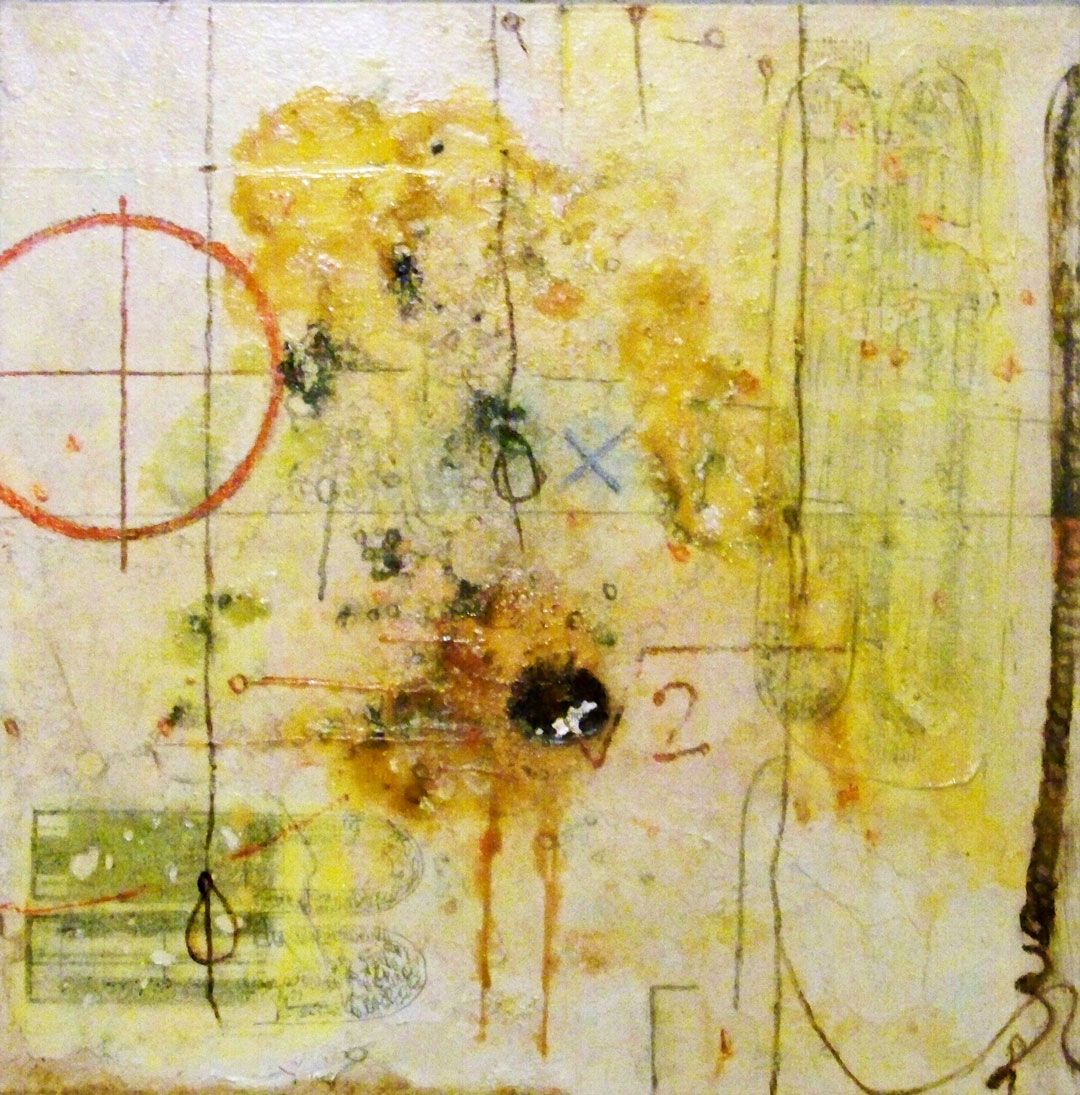
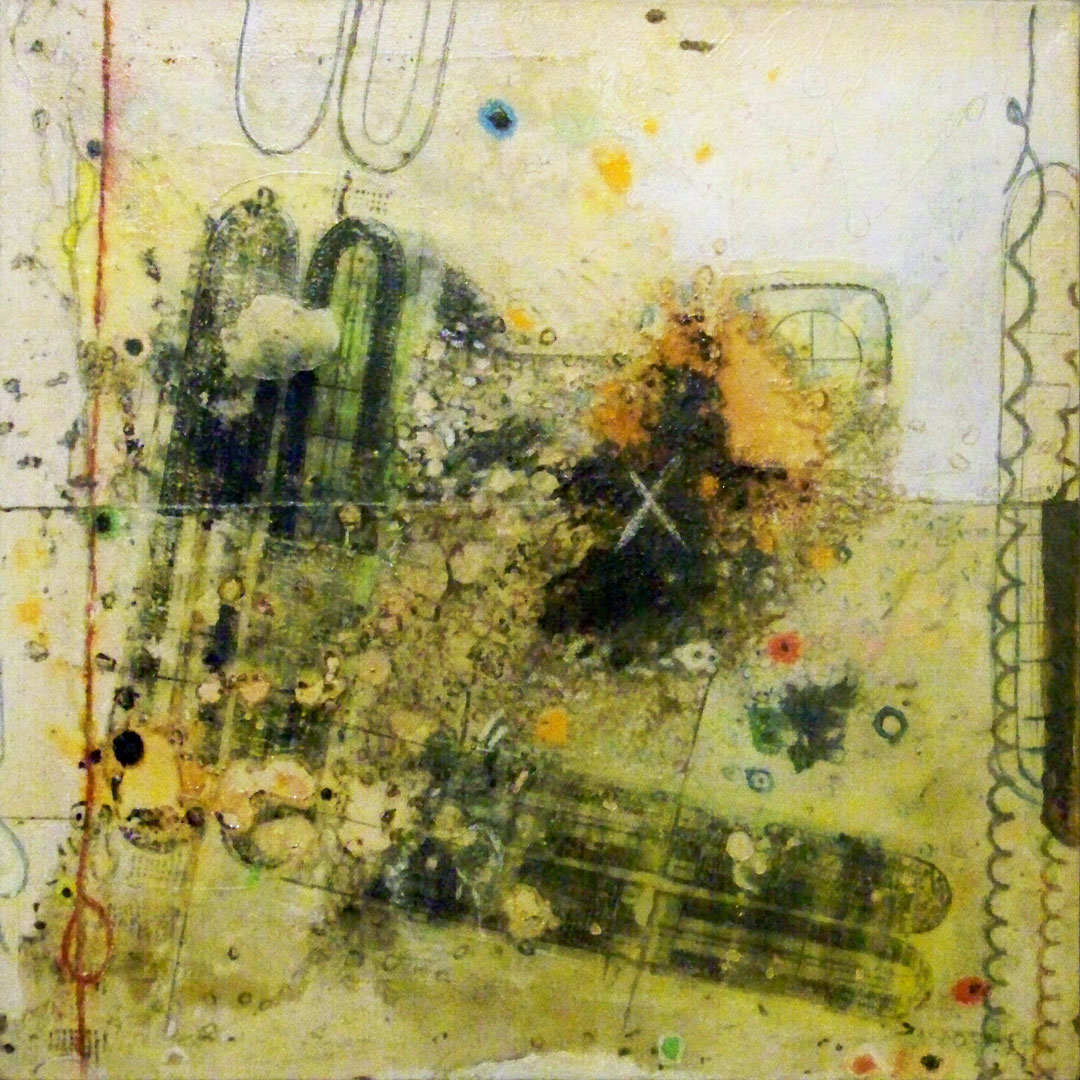
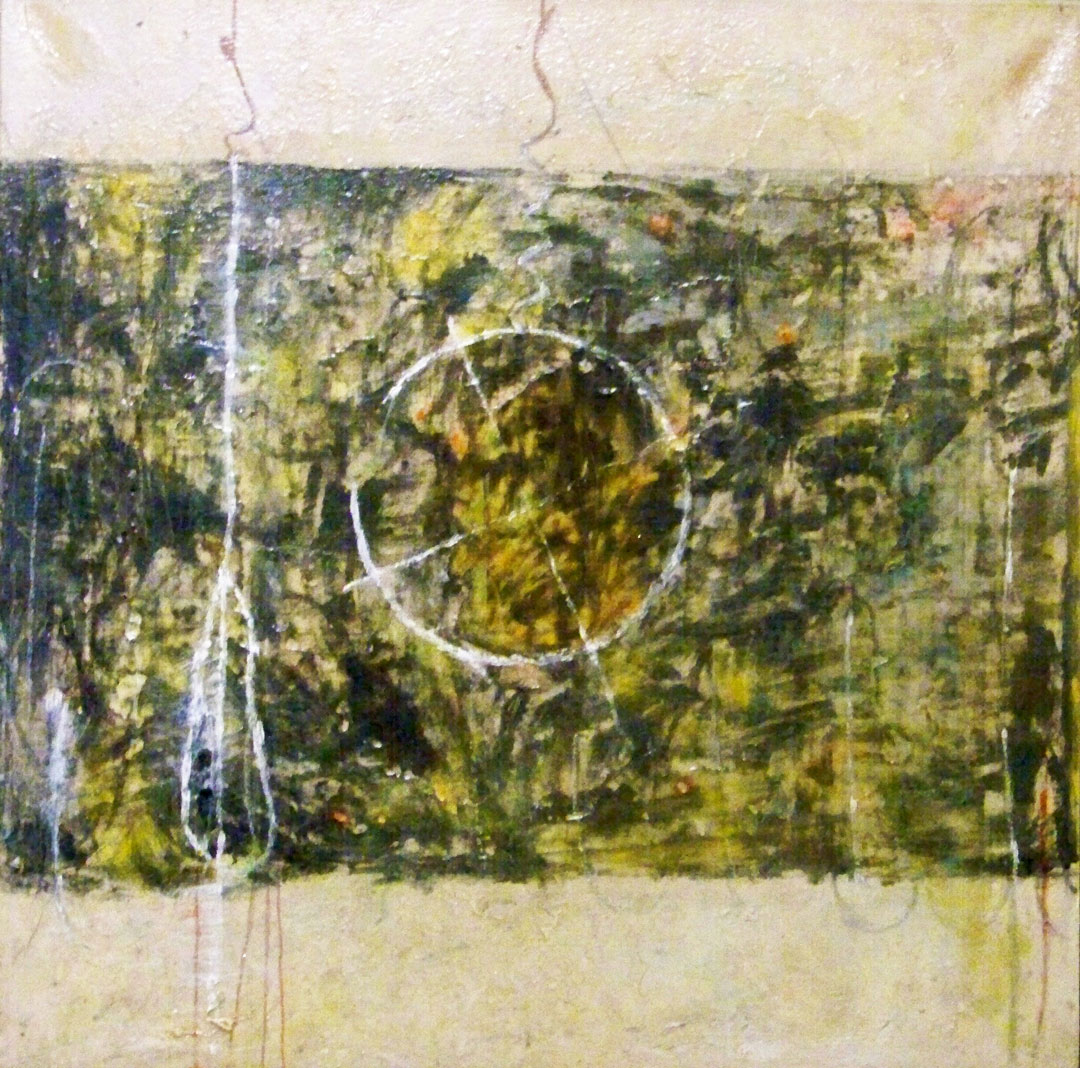
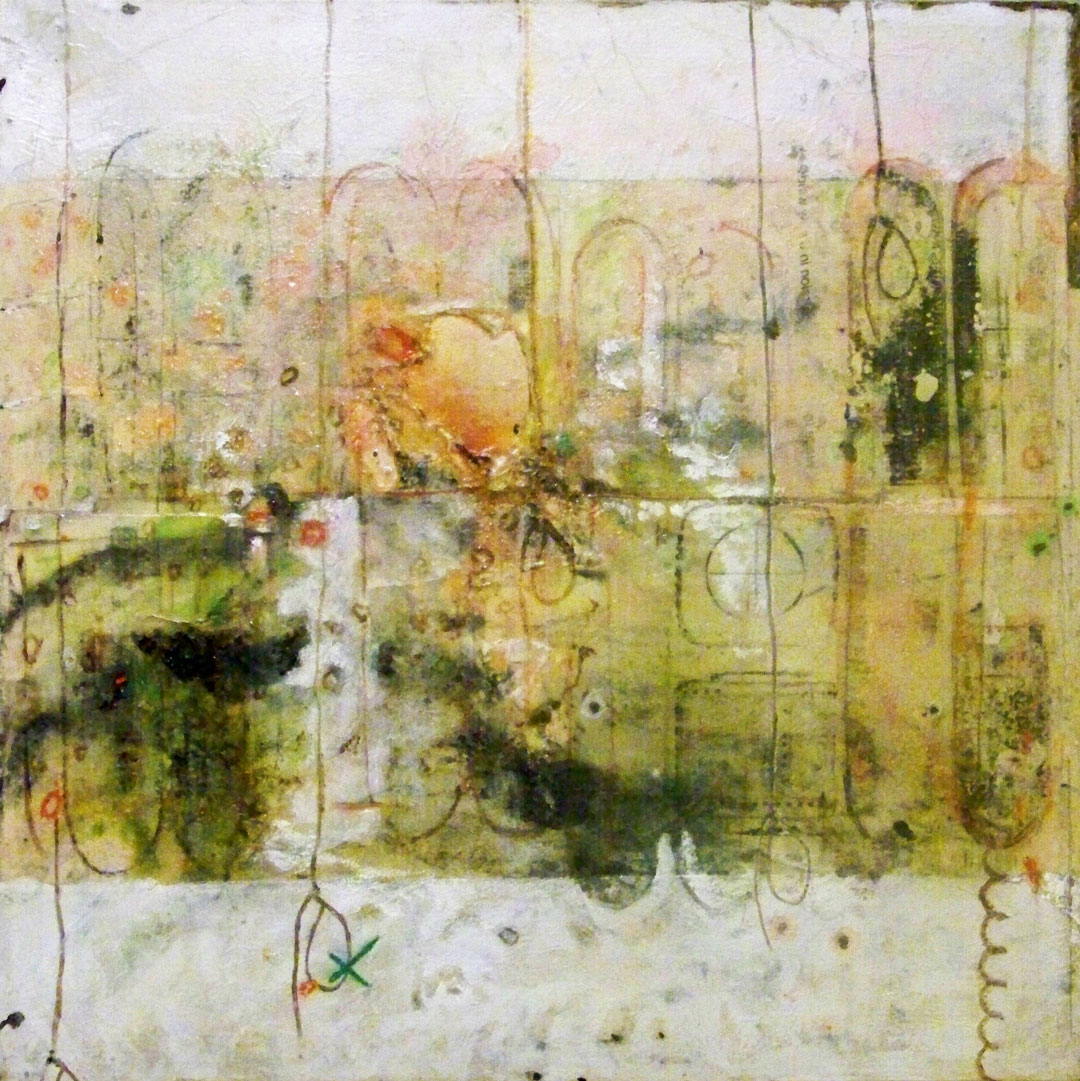
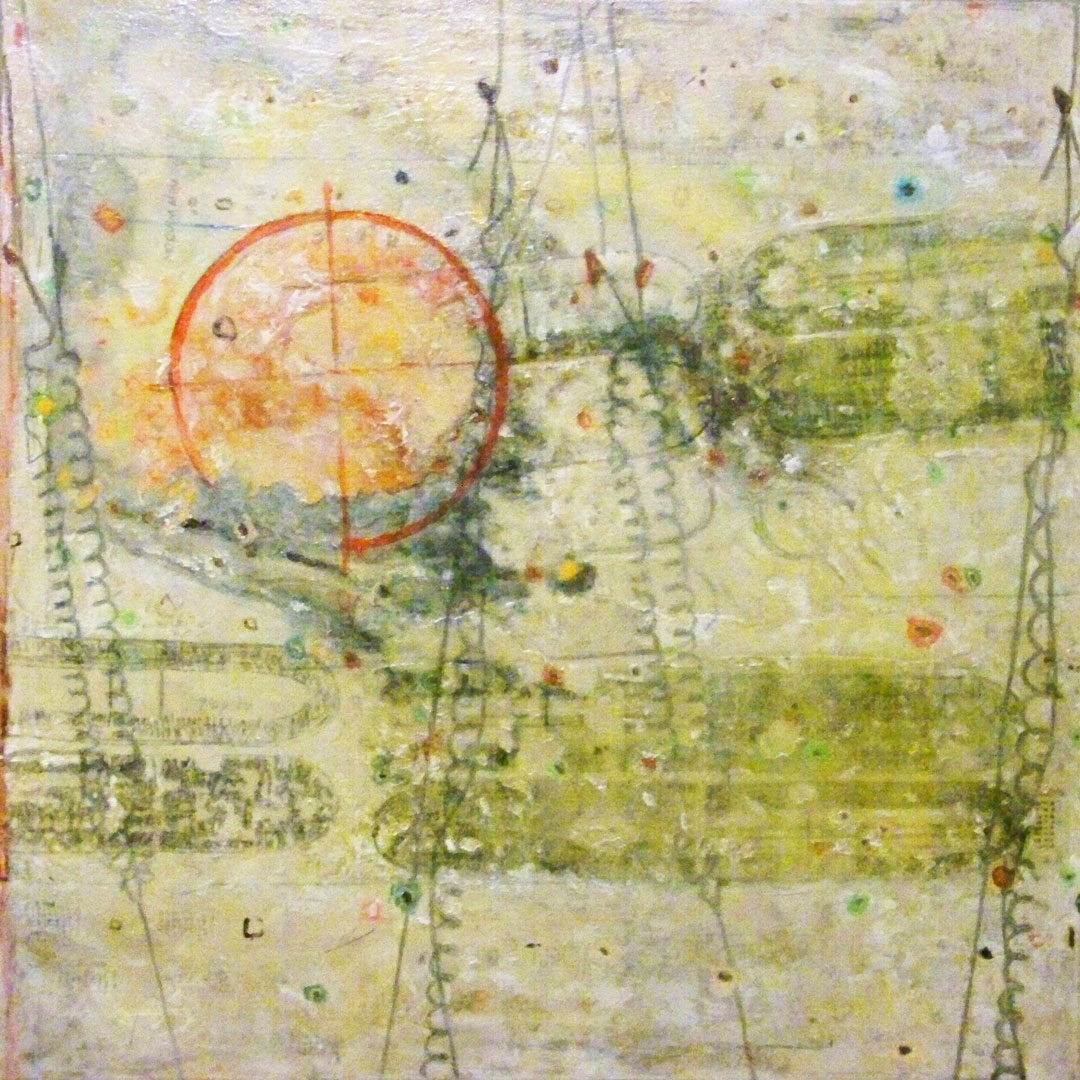
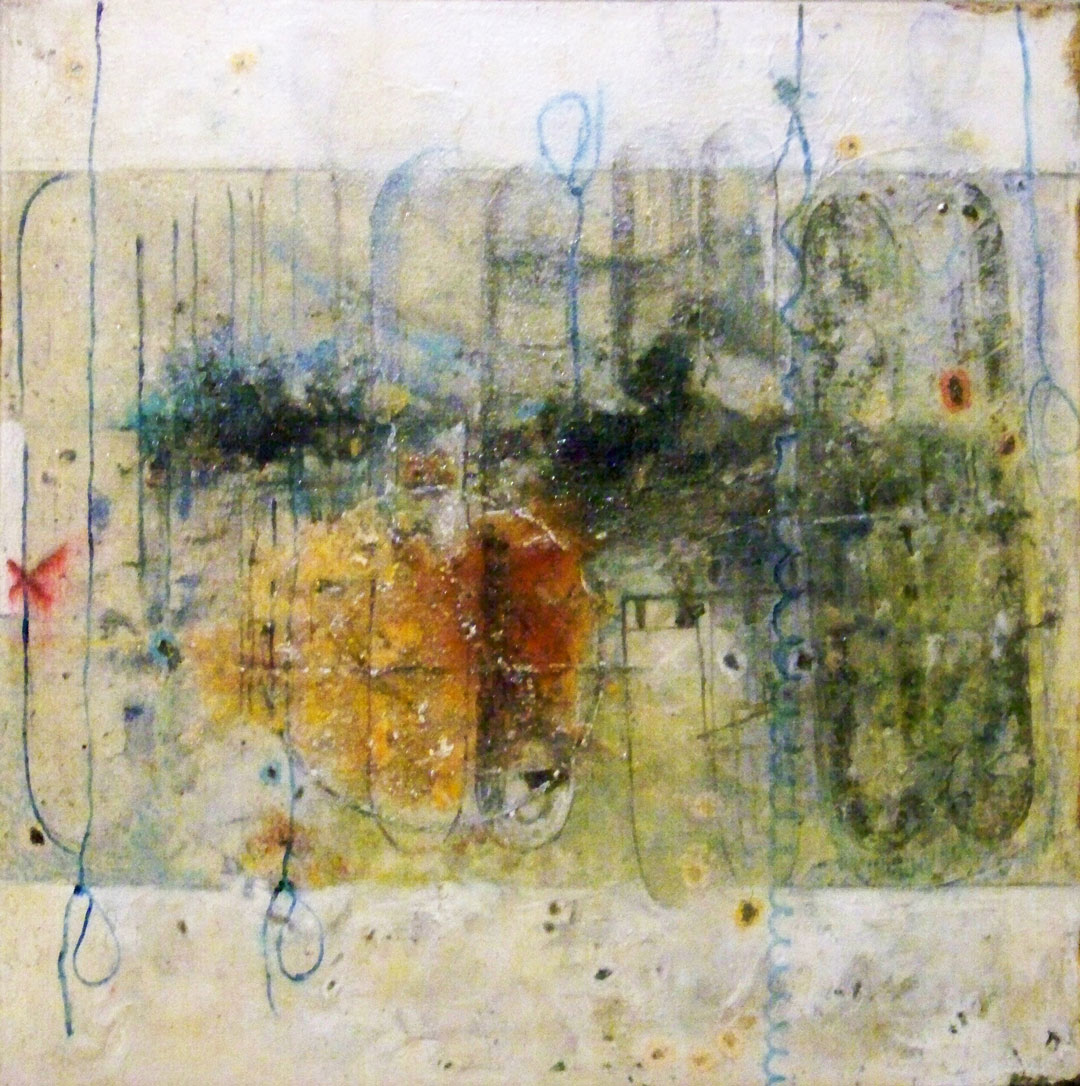
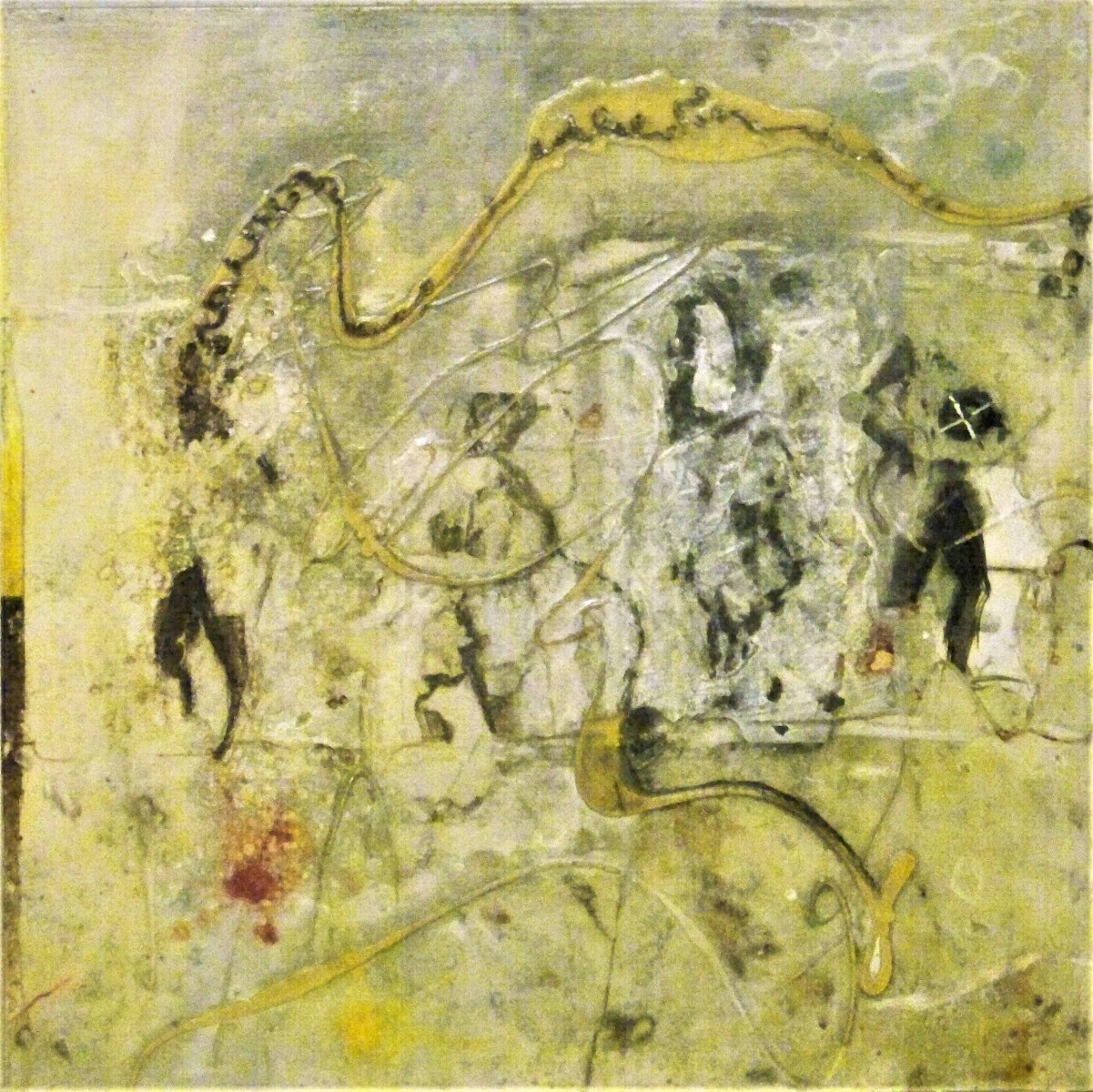
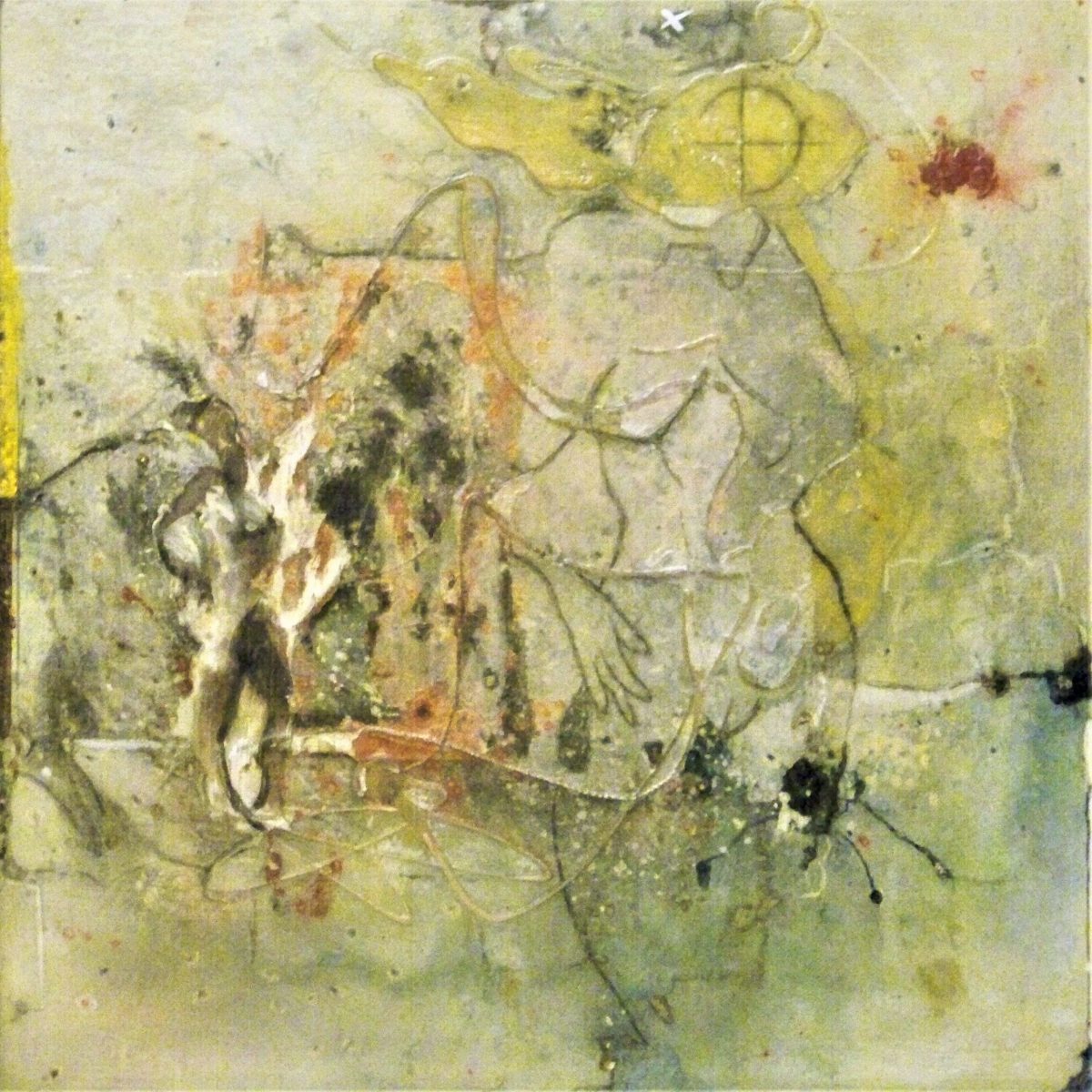
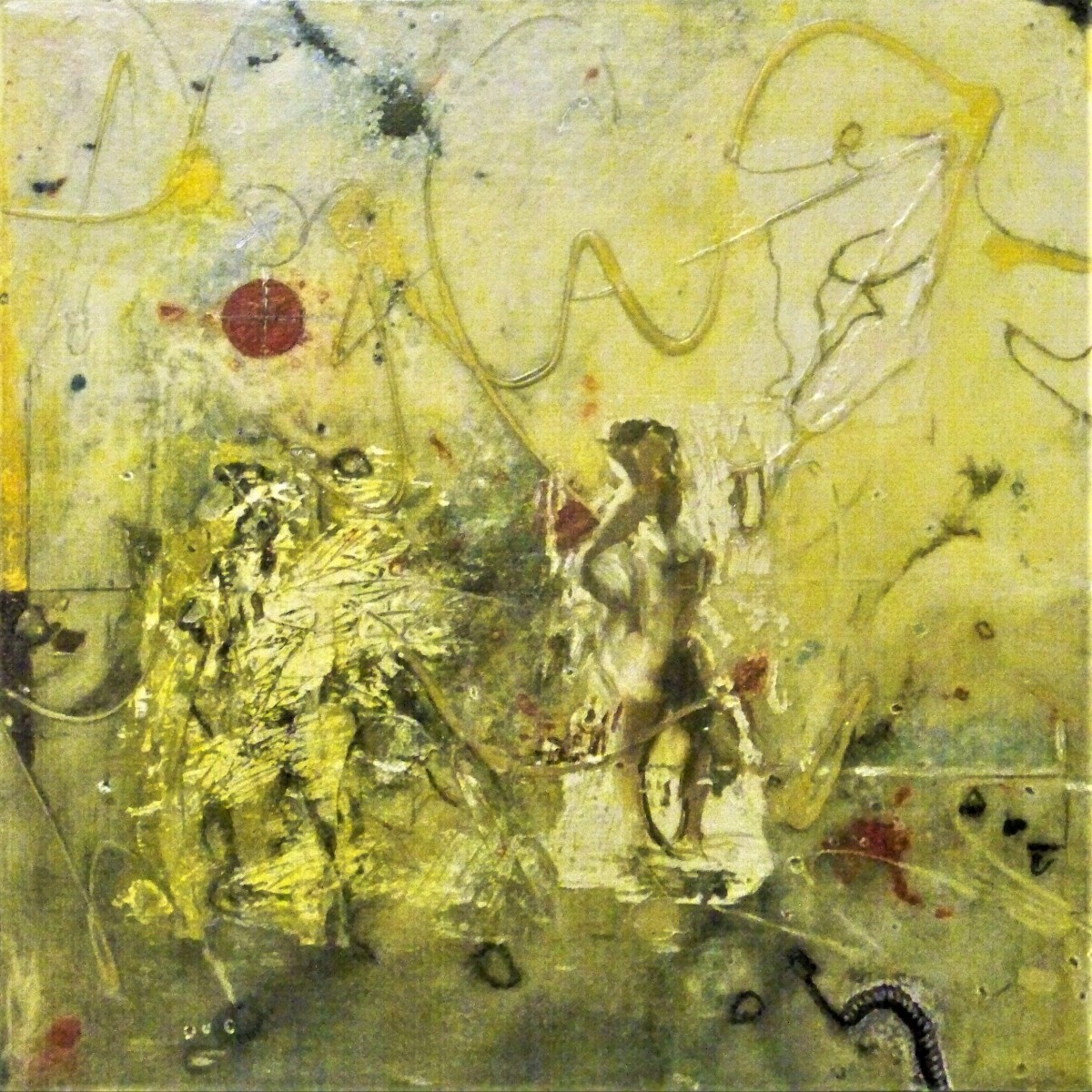
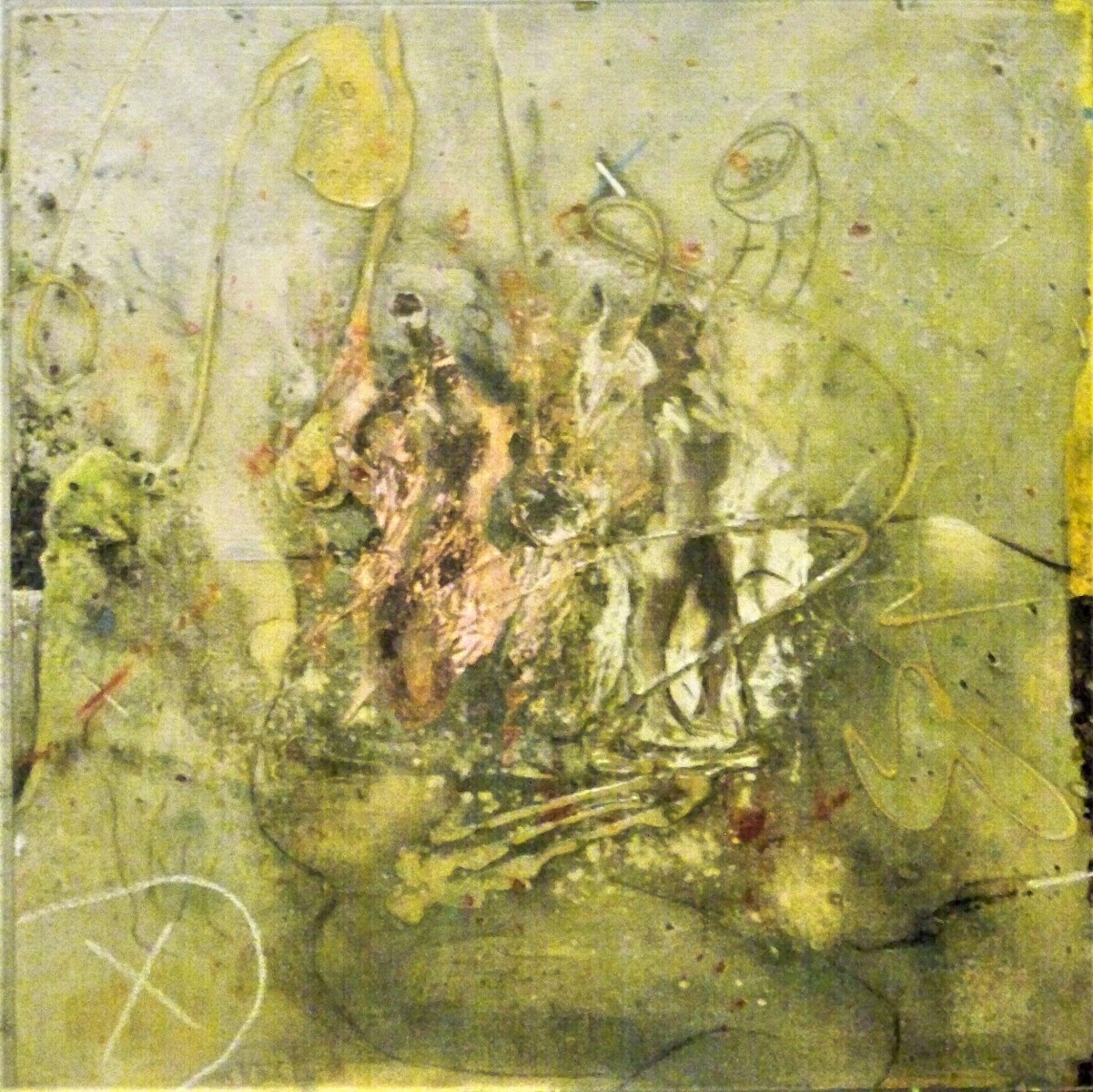
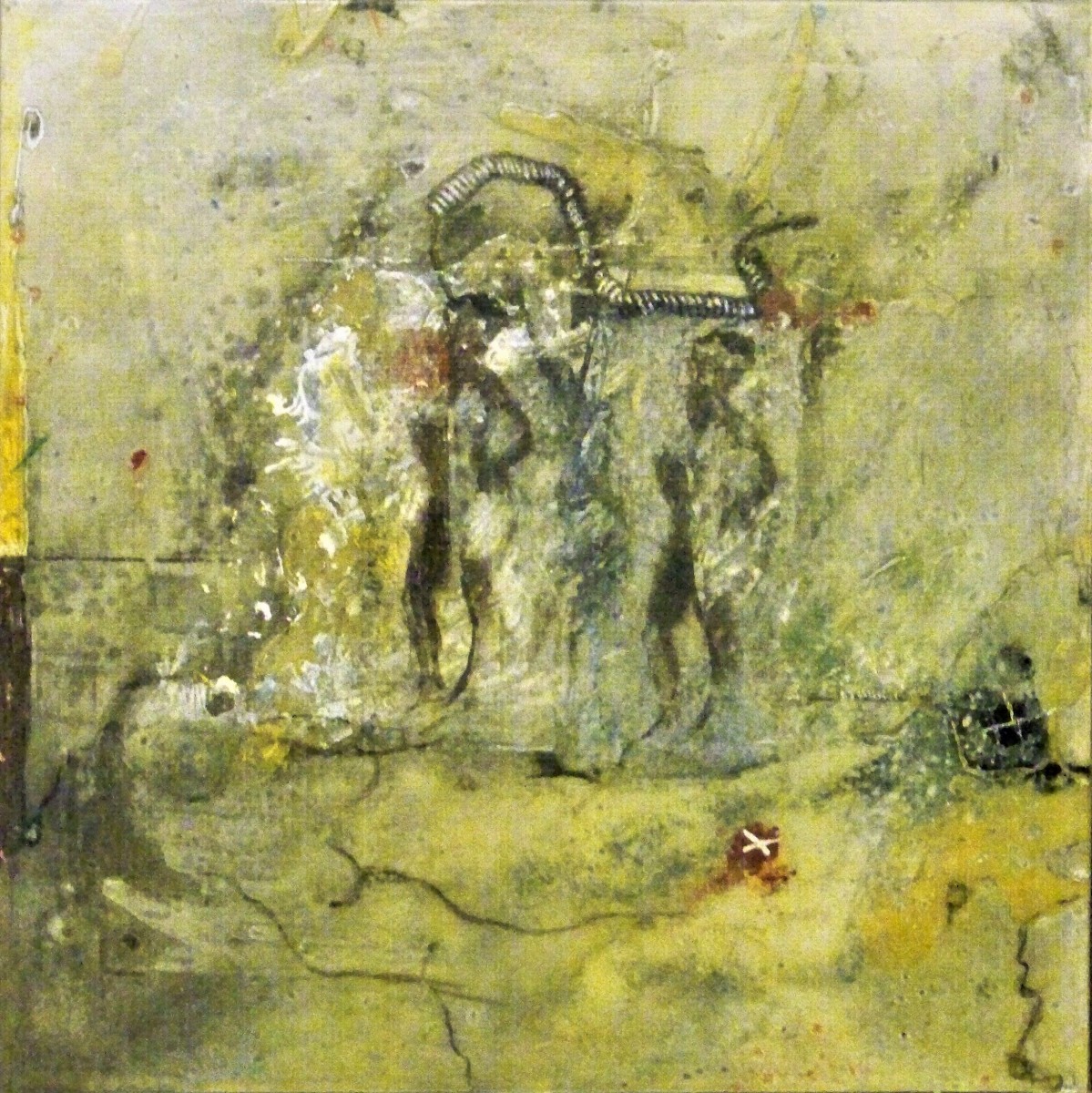
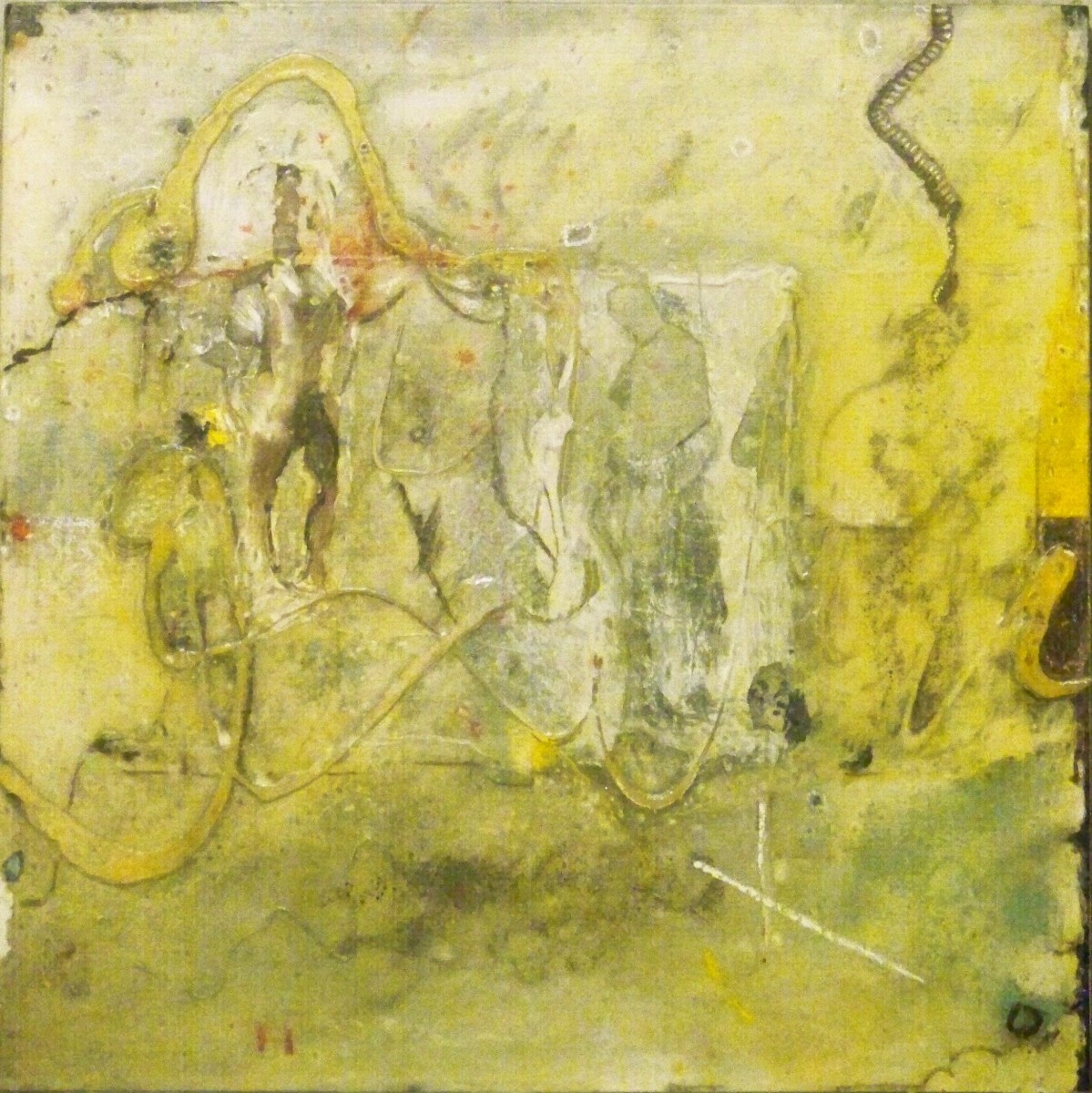
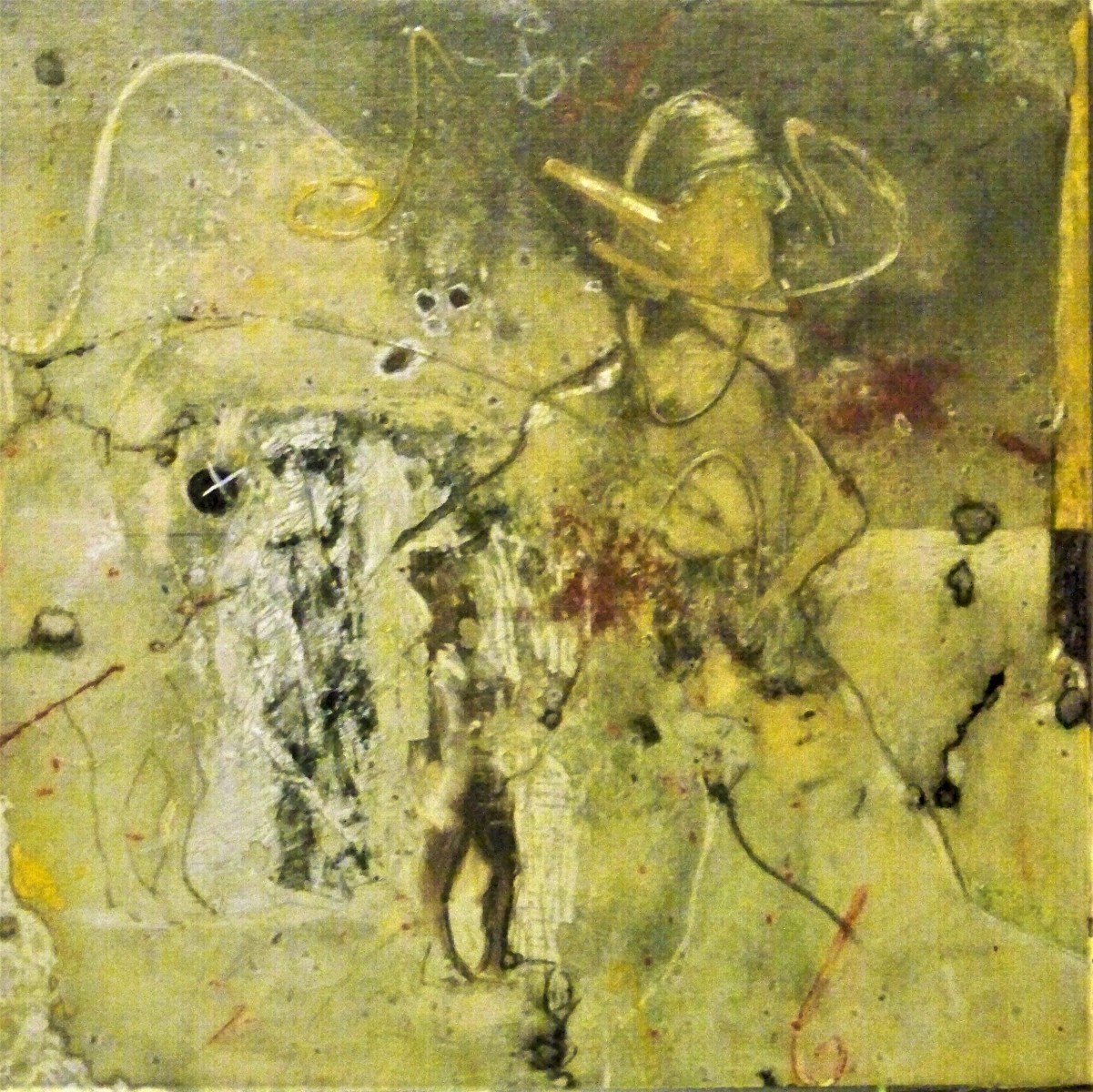
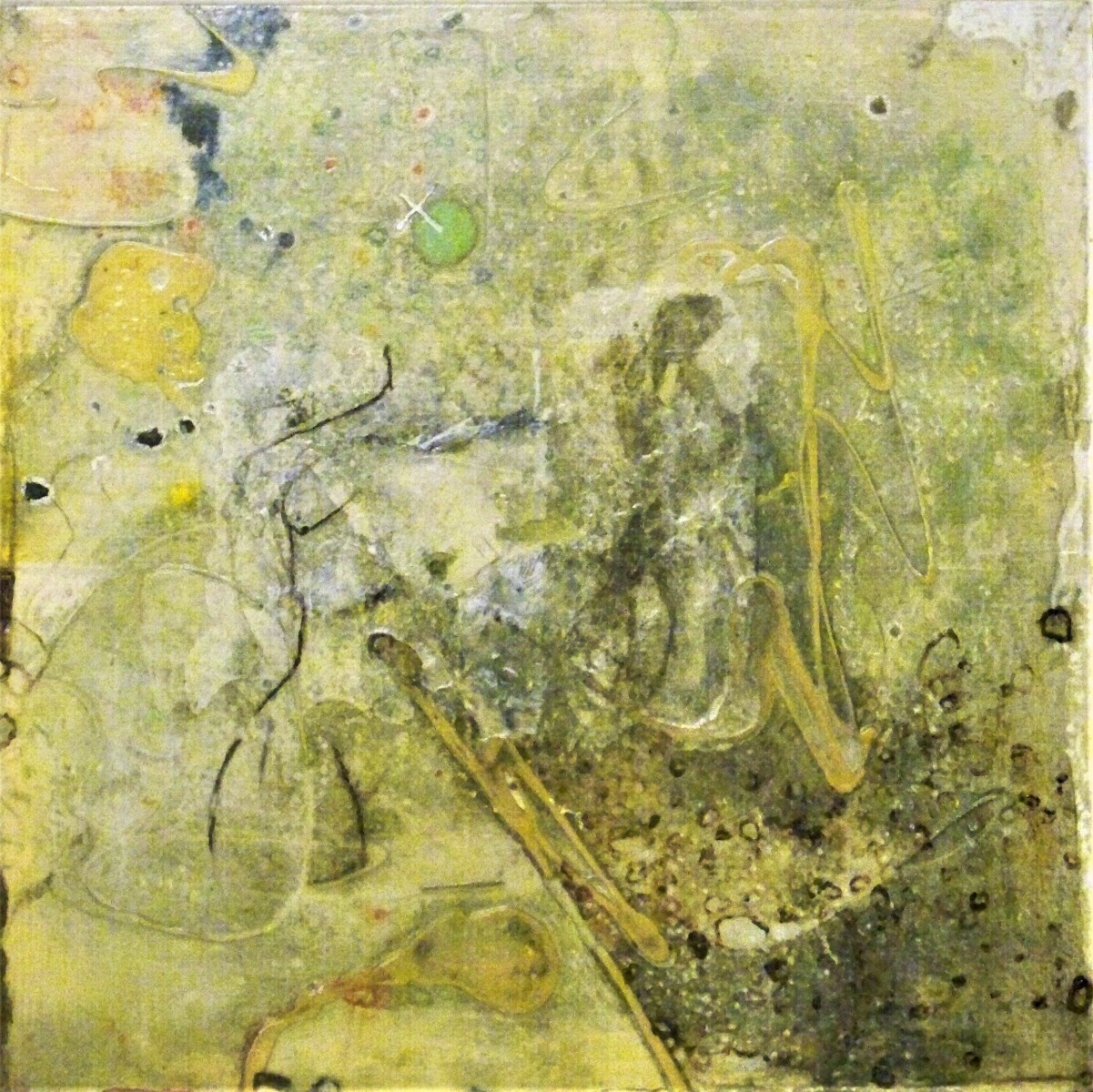
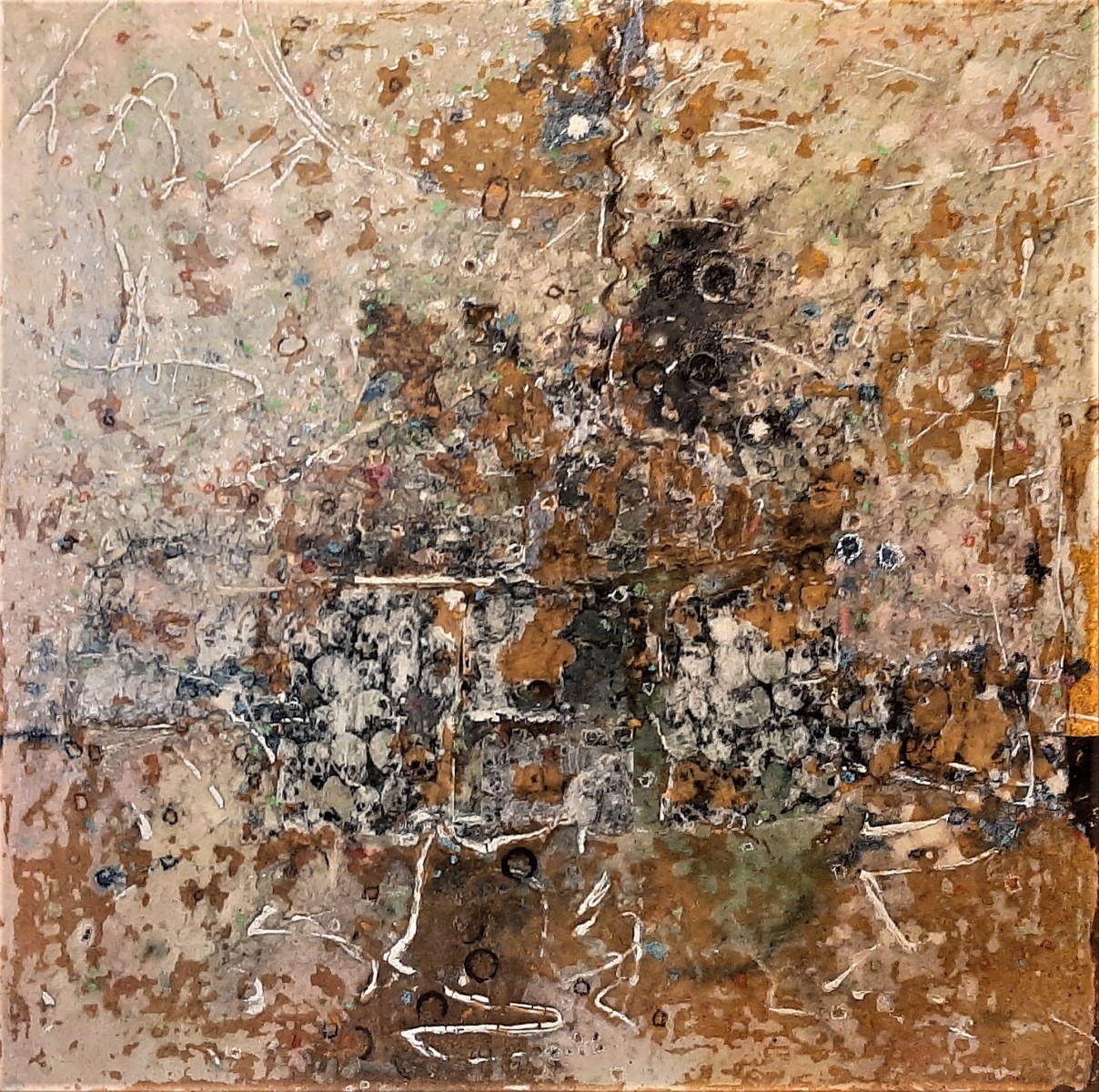
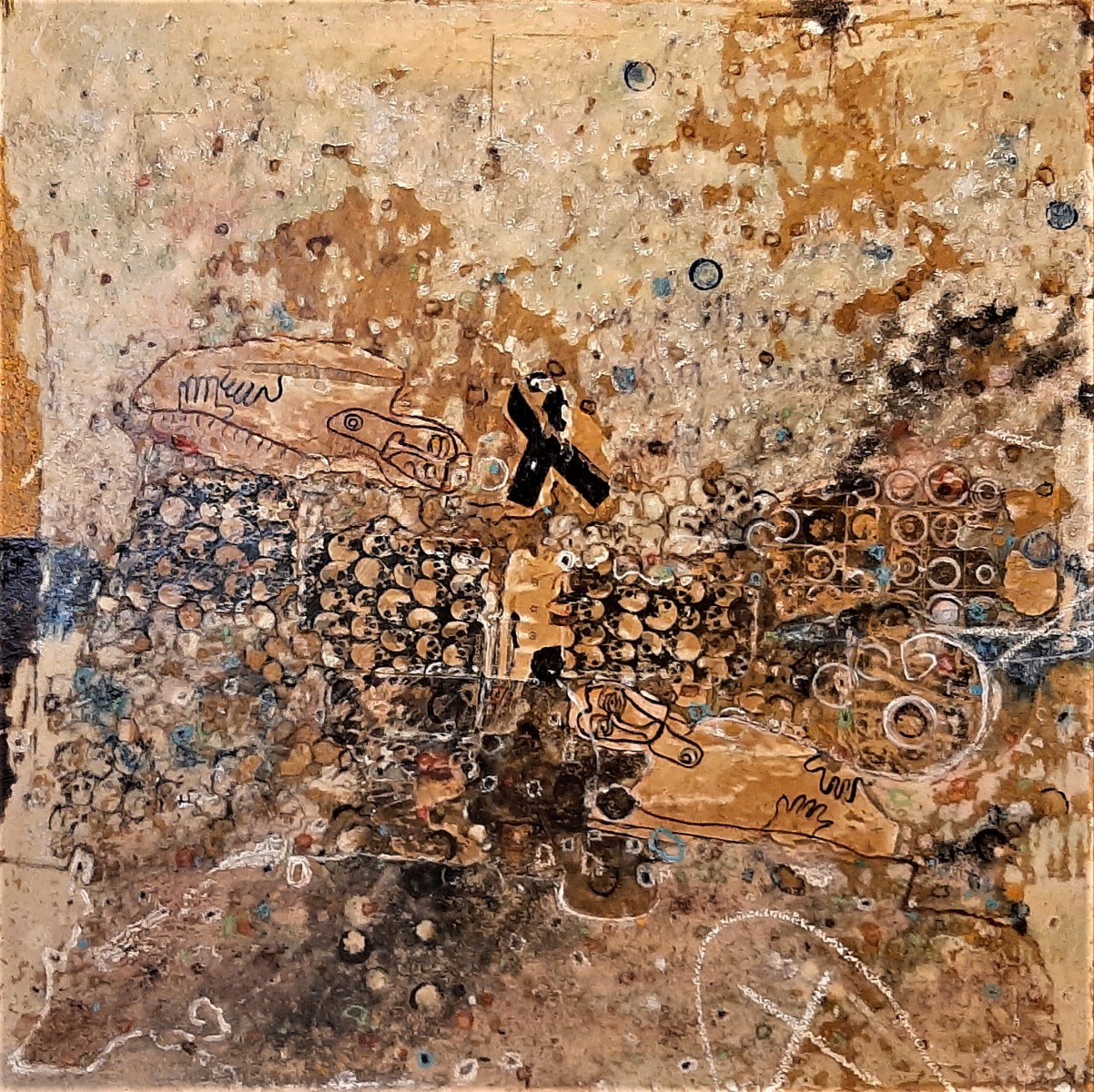
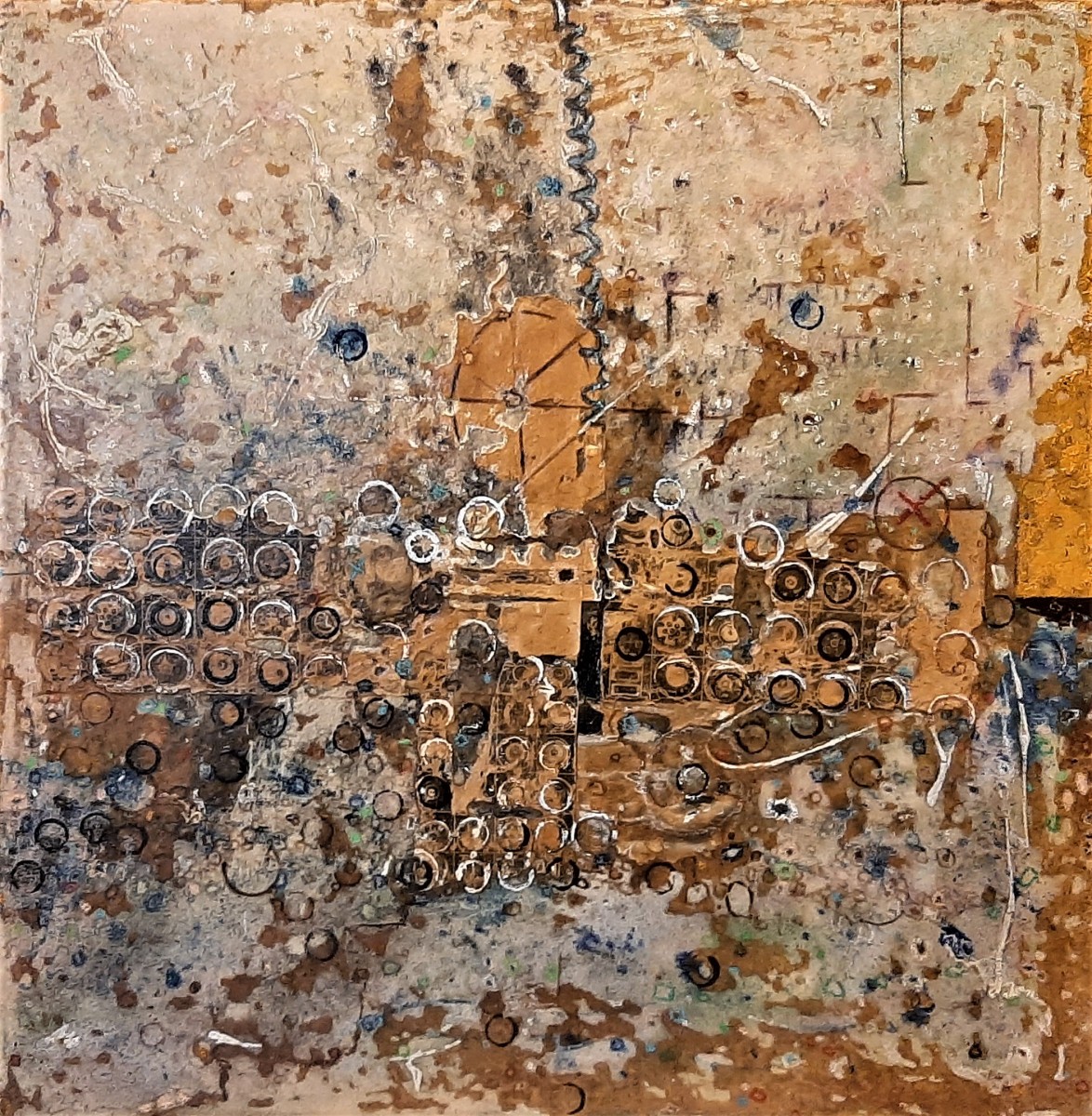
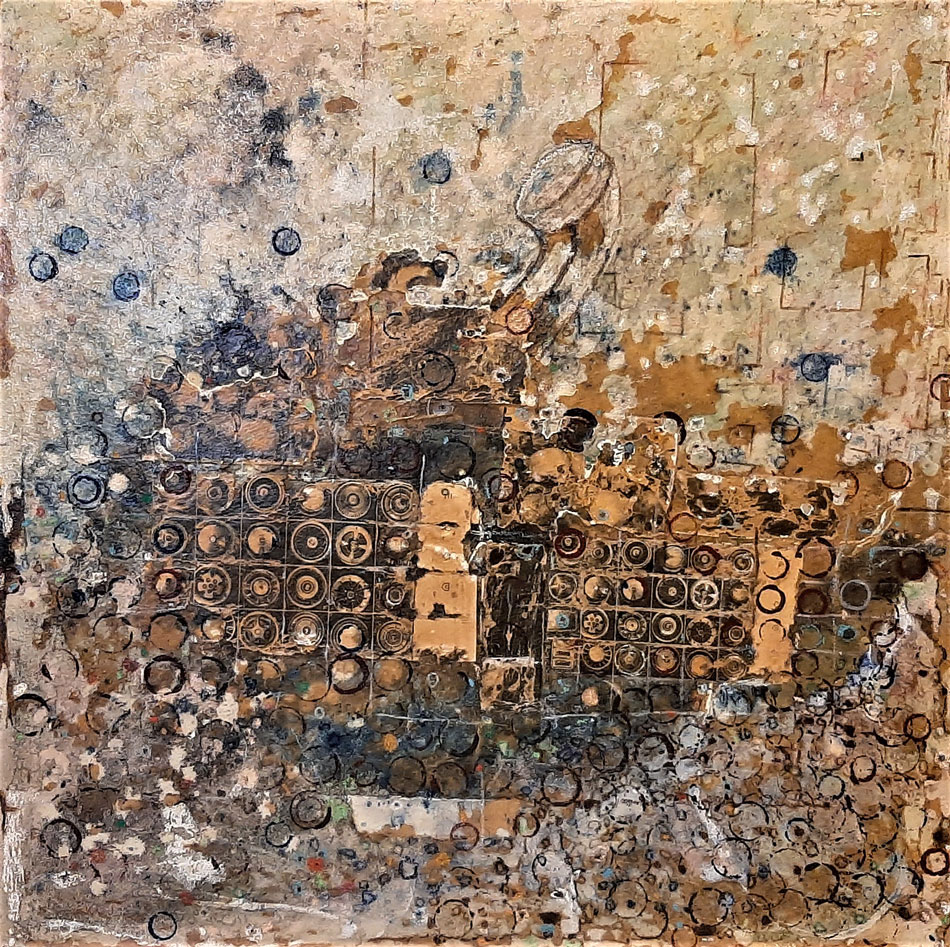
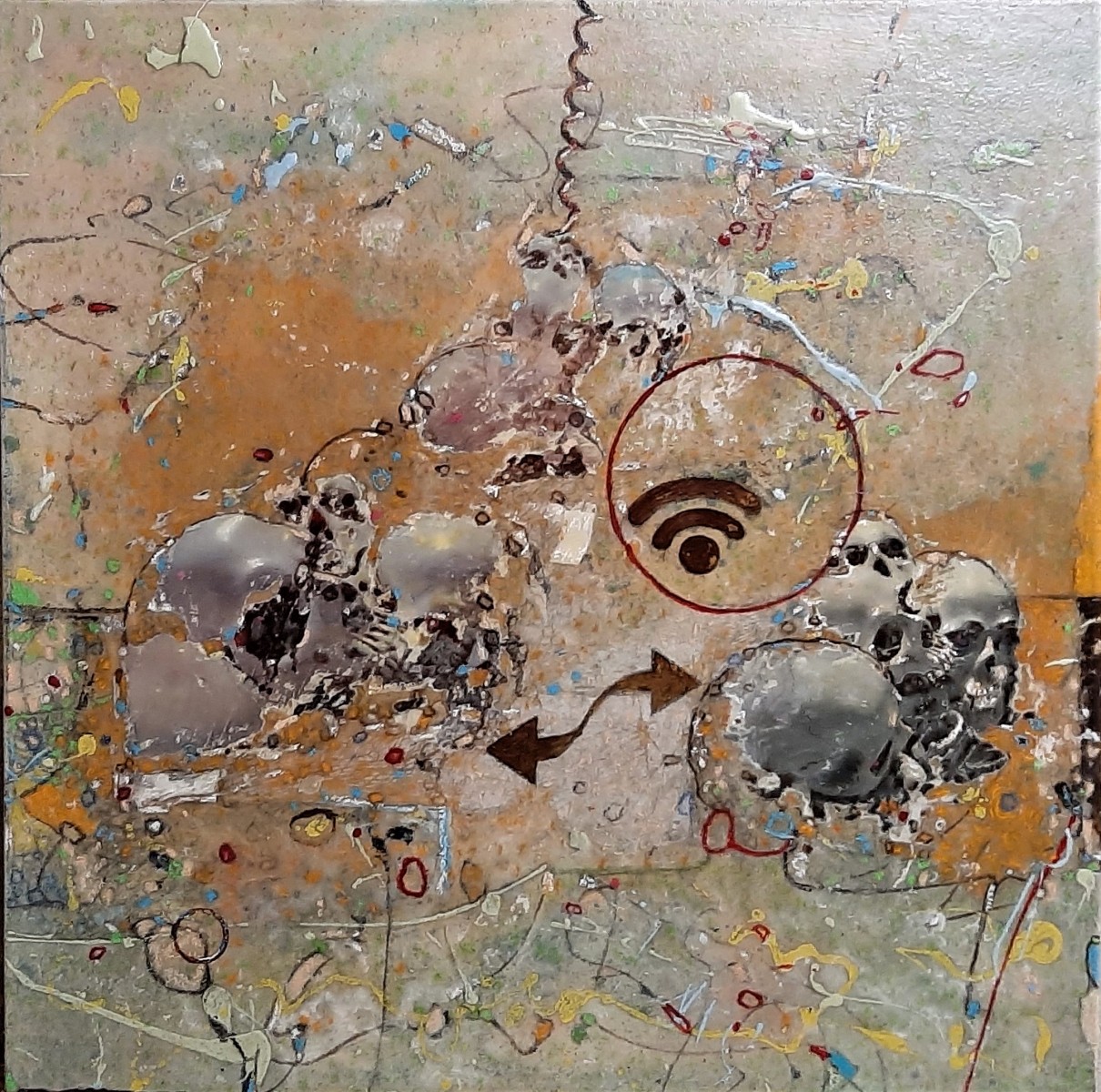
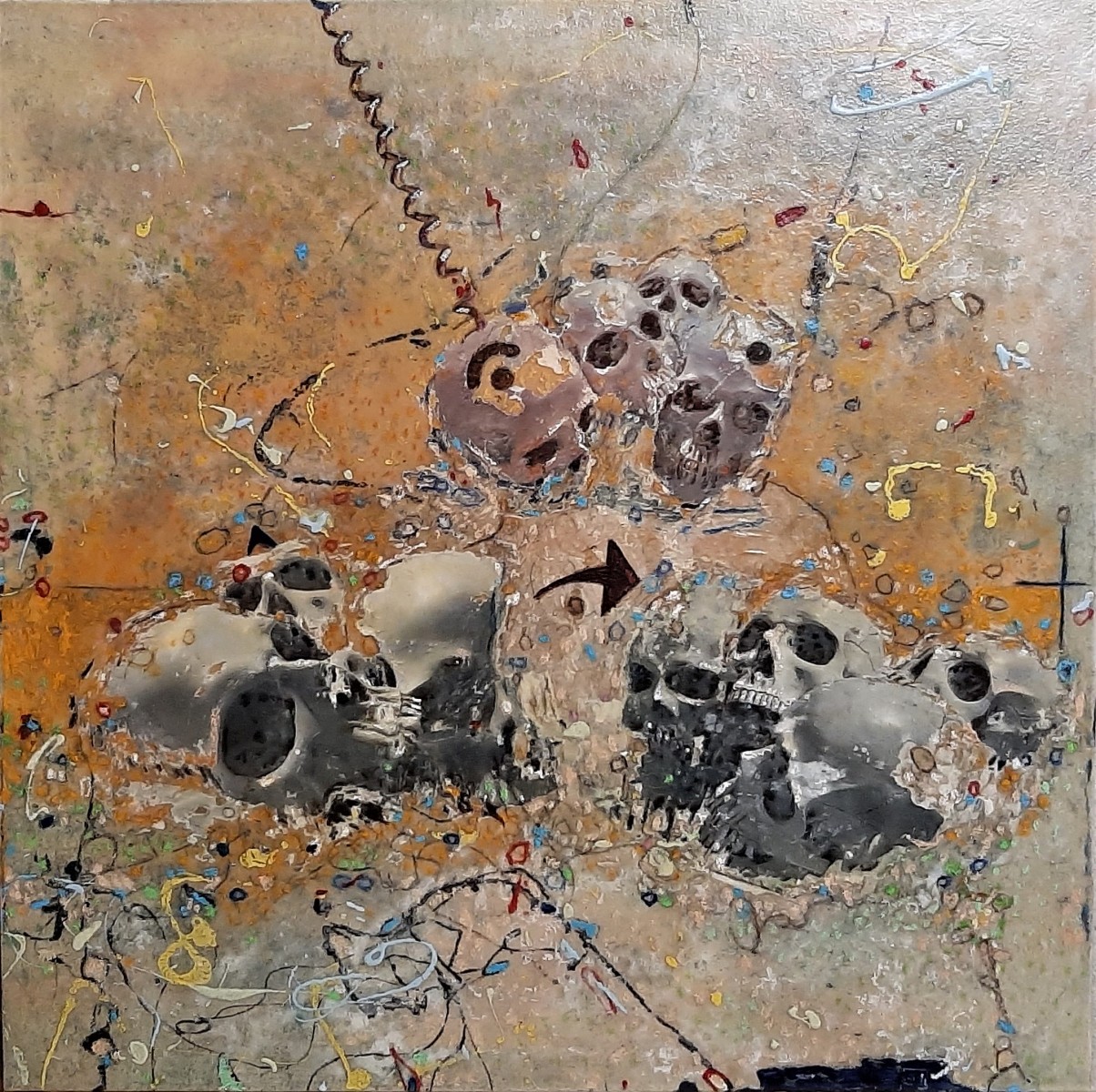
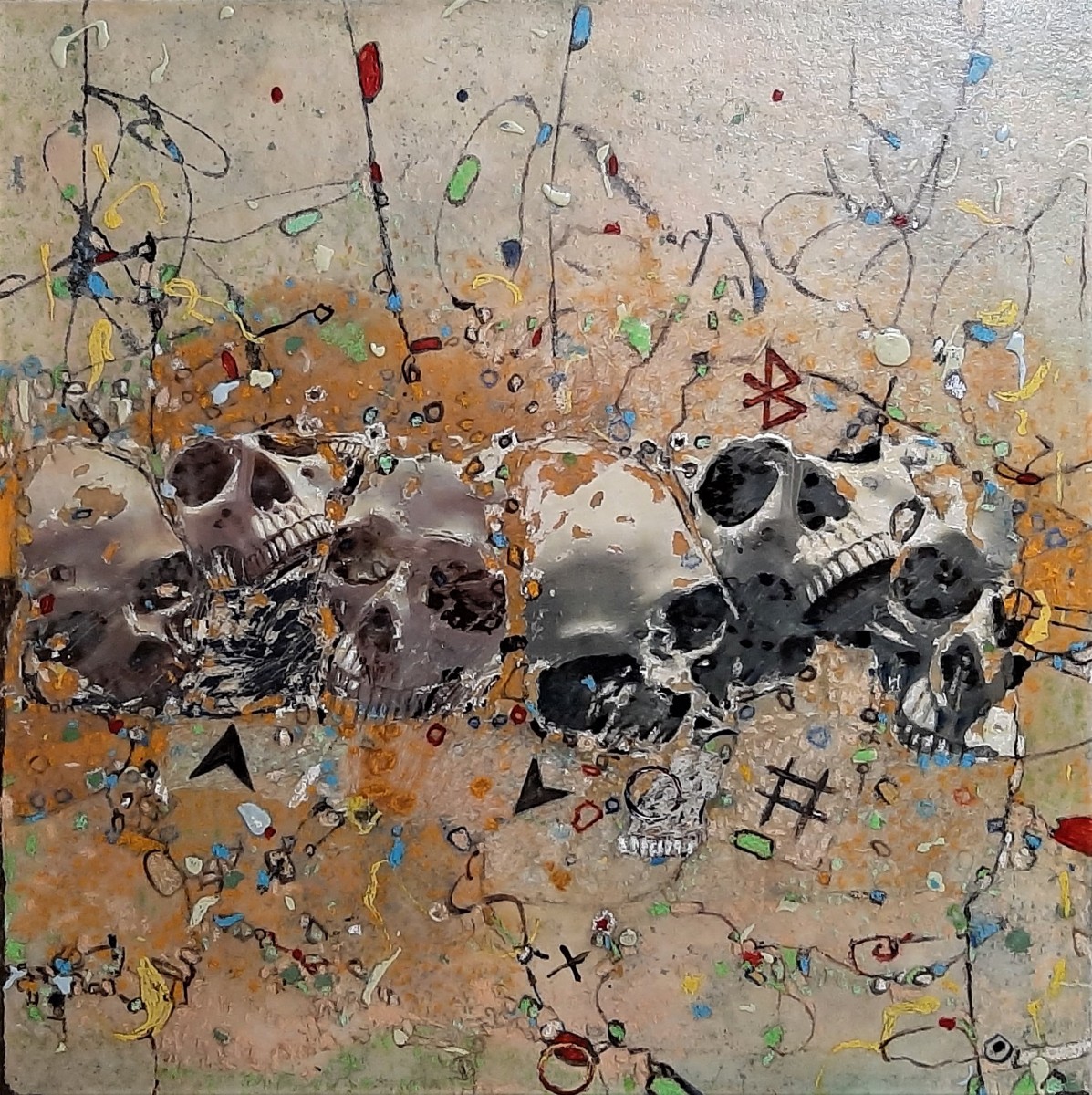
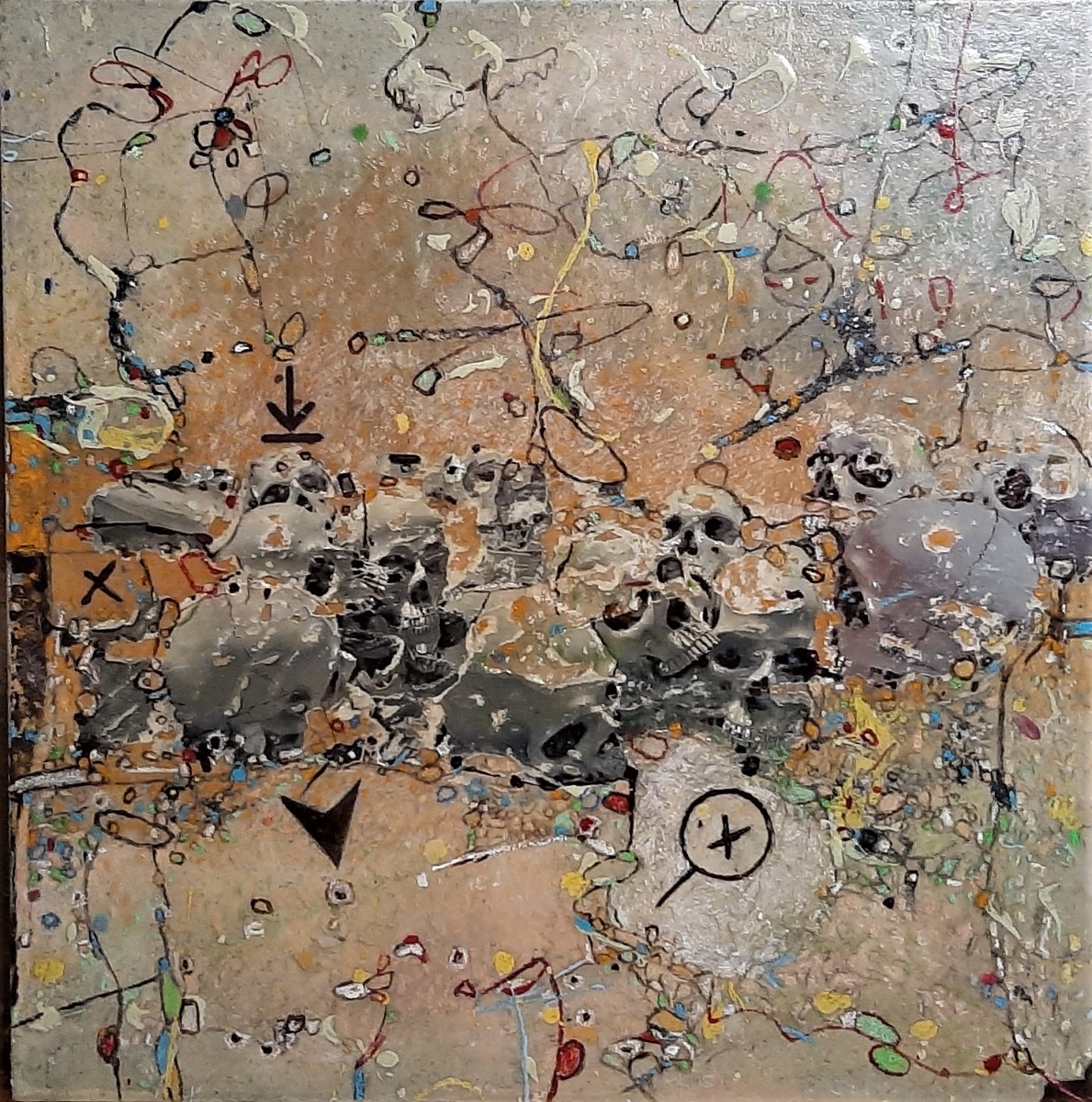
The new body of works are entitled, ” Transforelation: reverse reaction”. I came across the word while researching and its thesis describes the process which often presents itself in my work. Transforelation at its basic concept describes a chemical reaction in which materials are allowed to freely mix. The mixture of reactors and reactants produces at stage one cellular biochemical surfaces upon which compositional structures can be imposed.
At this biochemical end I work through a series of five stages, the intent a finished series of chaotic surfaces which by a reversal of the painting process, layer the surfaces, superimposing compositional elements as the first step. At the evolution of the last series, process dominated the dialogue between creator and materials. Thought in the present series takes center stage.
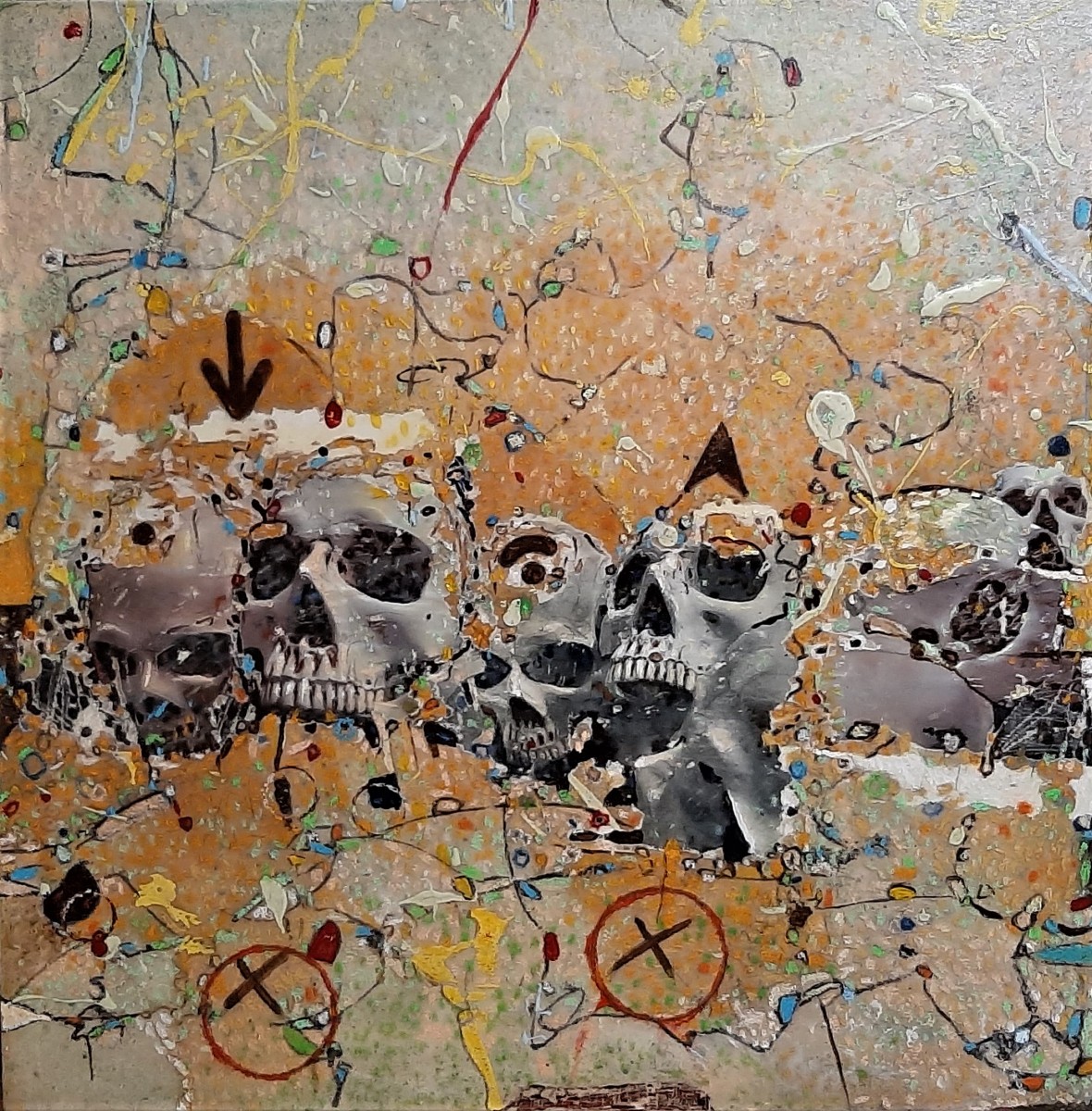
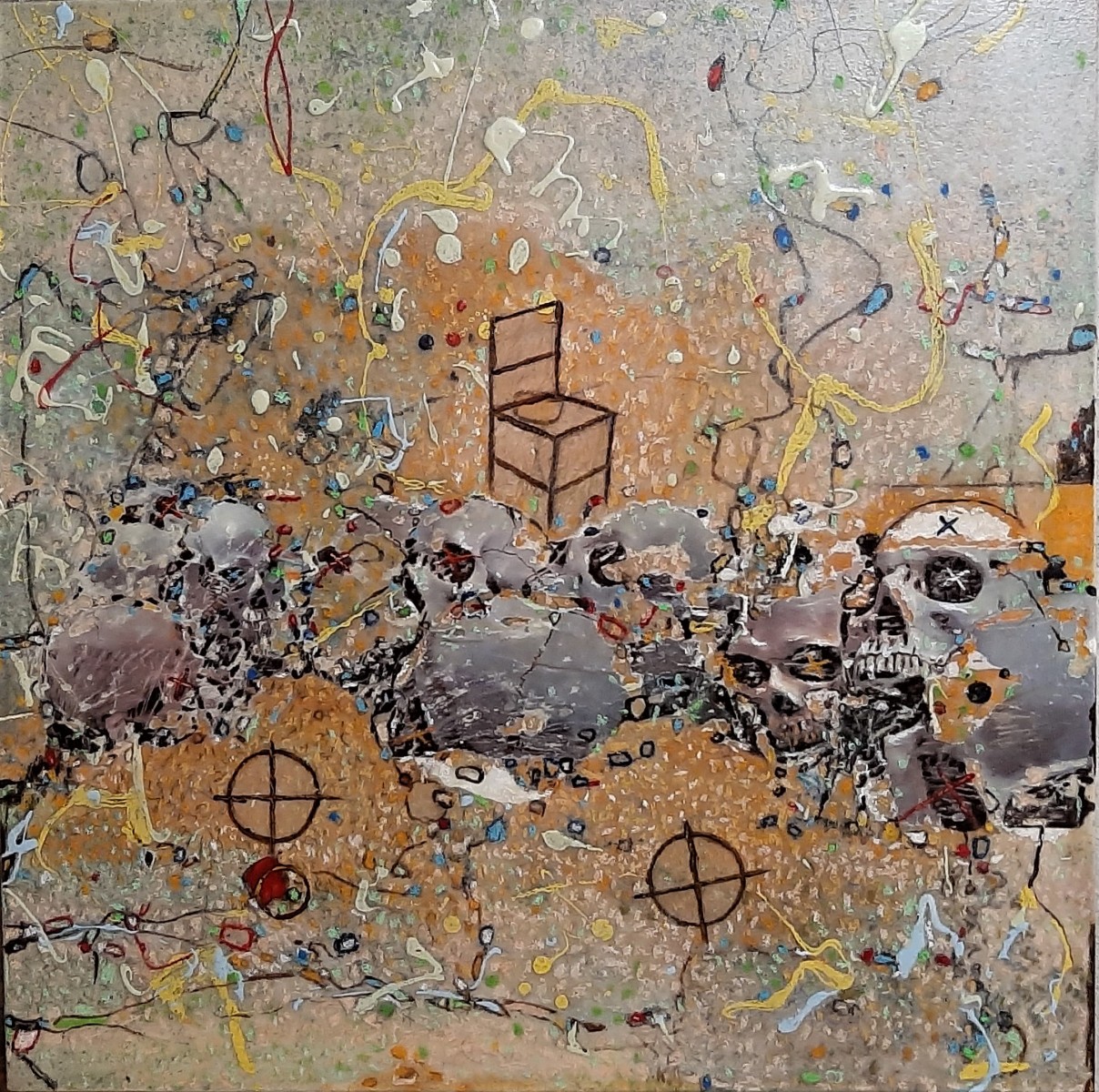
This thought has given rise to some new schemas. The use of the telephone cord is symbolic of this new dialogue. It evolves into compositional devices resembling that of a knot. The X has evolved as well to become the symbol of a cauldron used on shipping vessels. Cross sections of shipping stowage used in the transmigration of souls are introduced.
The body of works is the end of an investigation of materials that has lasted for over ten years. They lent themselves and afforded me the freedom to experiment with its fluidity and unpredictability while at the same time foraging through ethereal ideas. They come therefore as a conclusion and now a return to the study of the human anatomy.
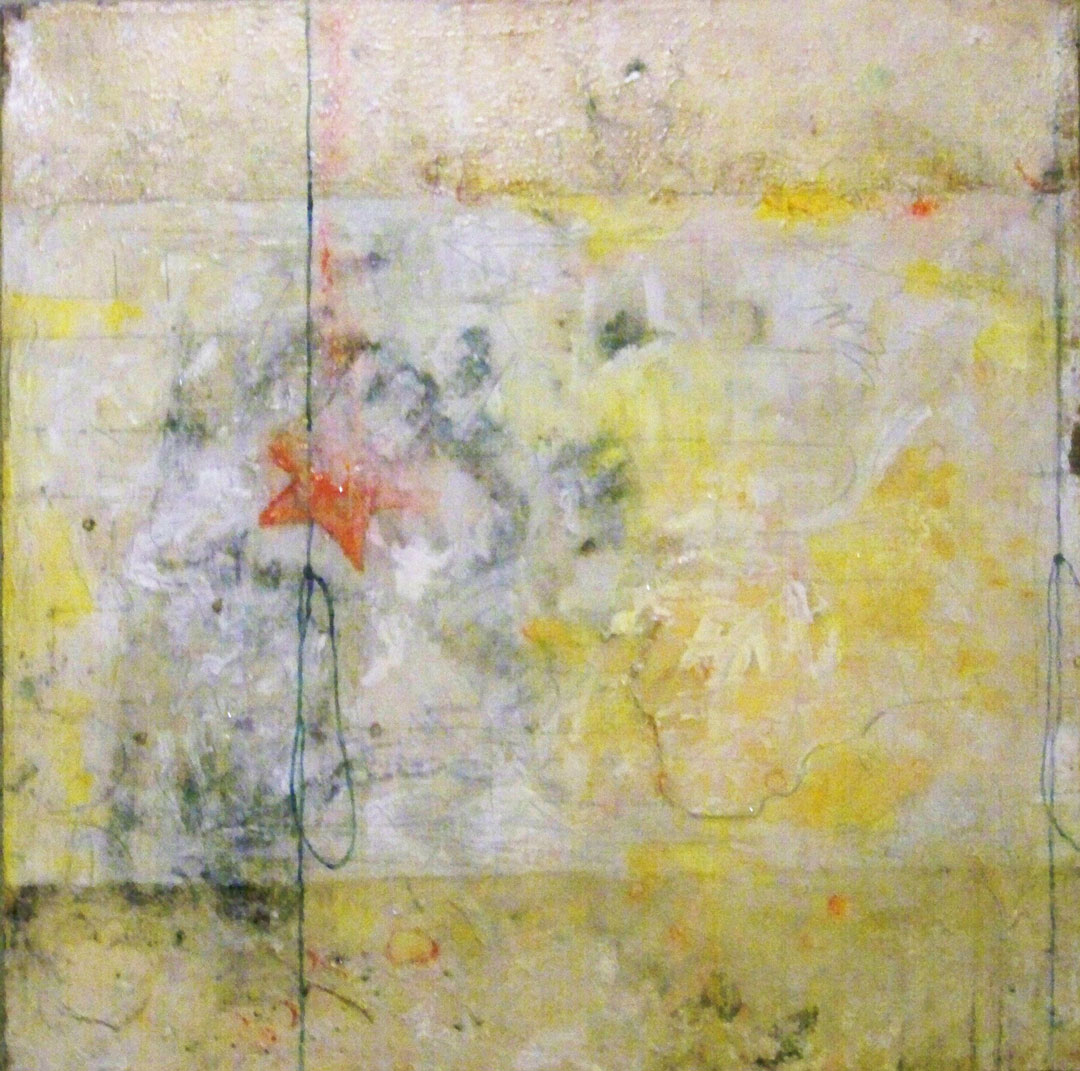
“The Early Views”
1991-1993
Artist Statement
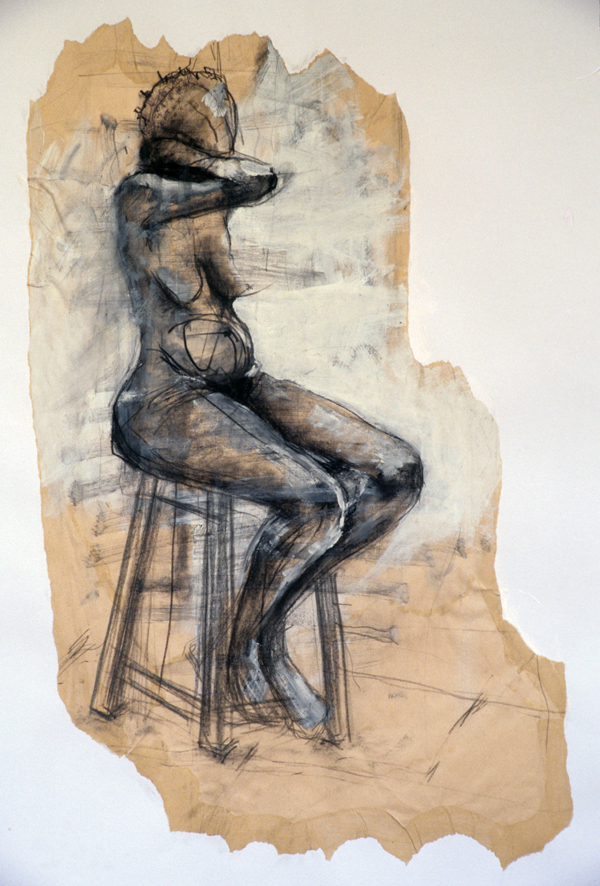
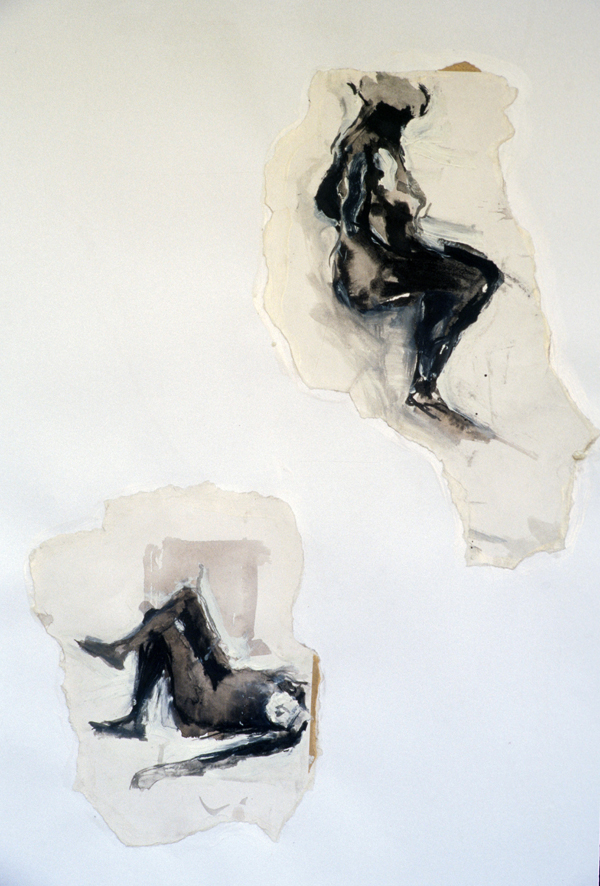
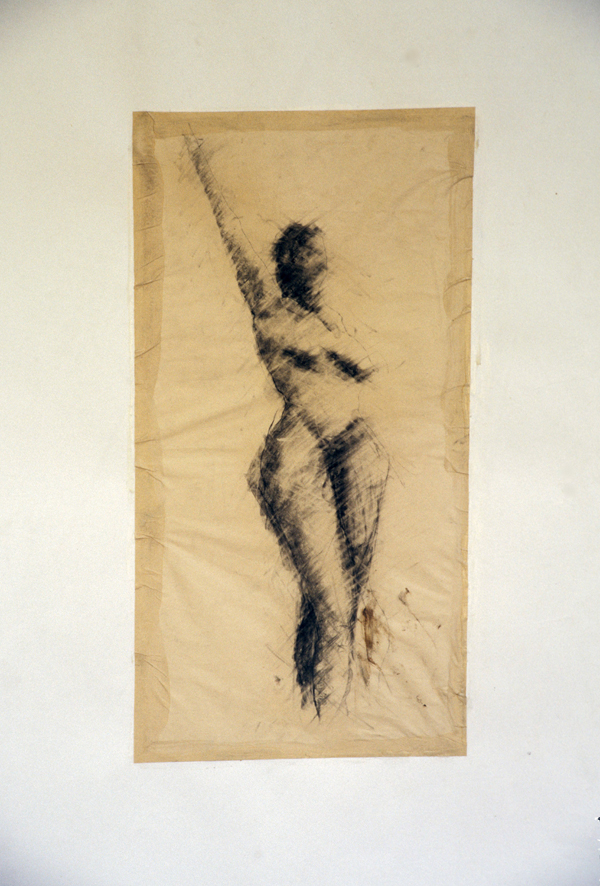
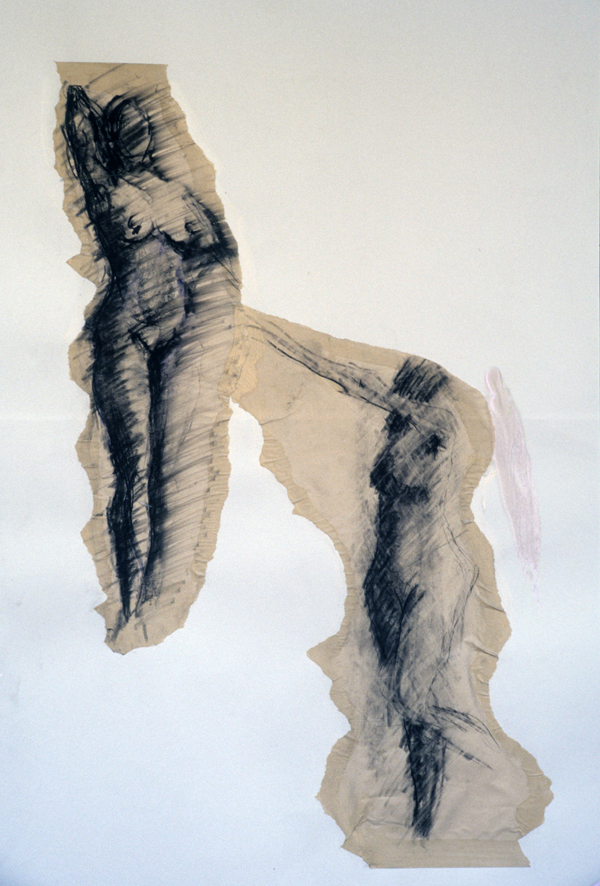
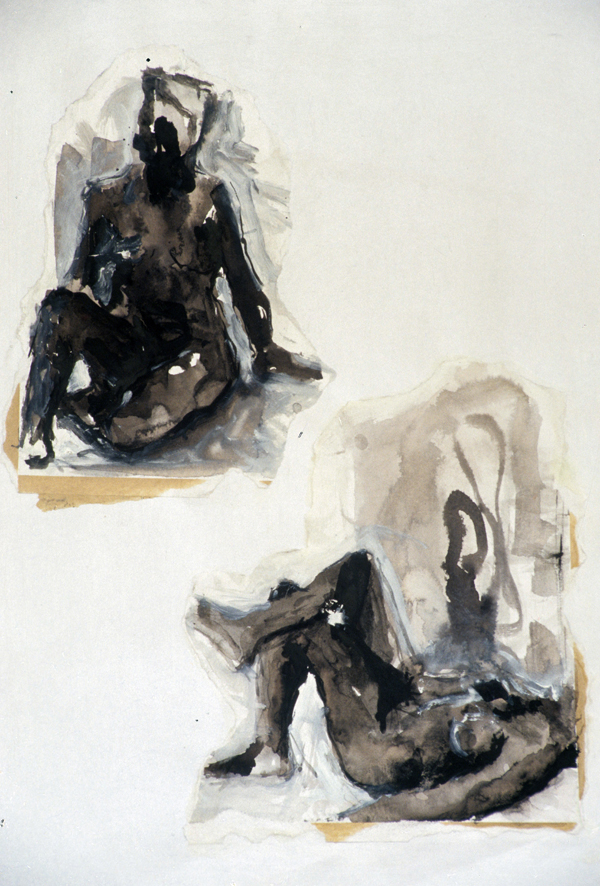
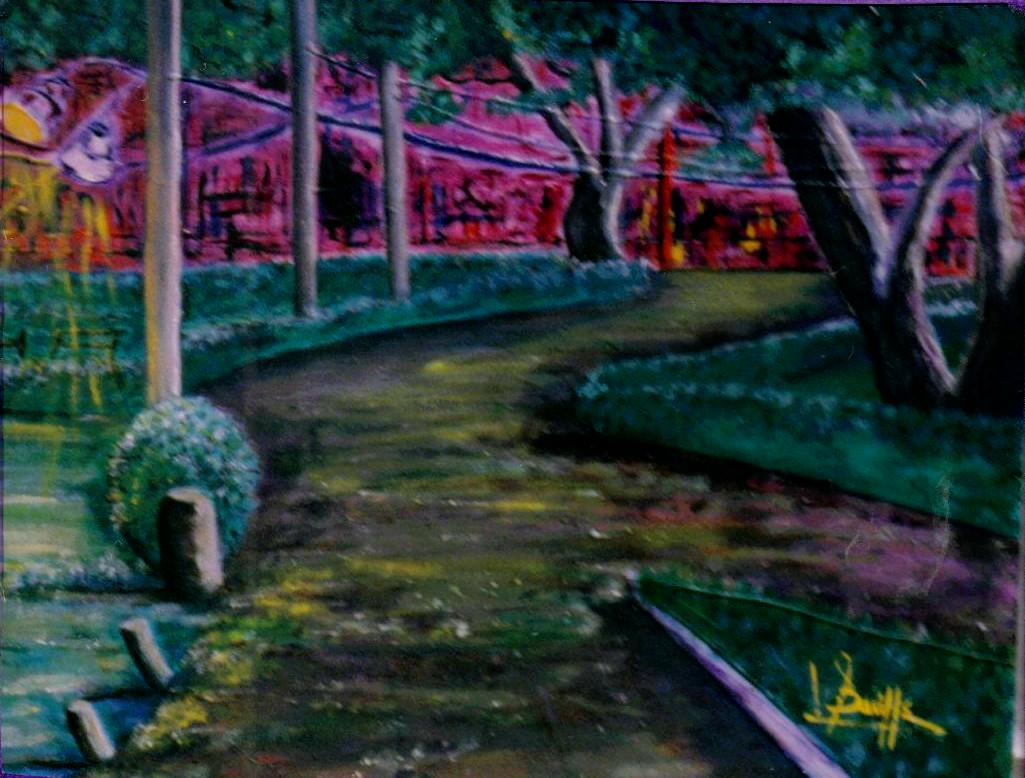
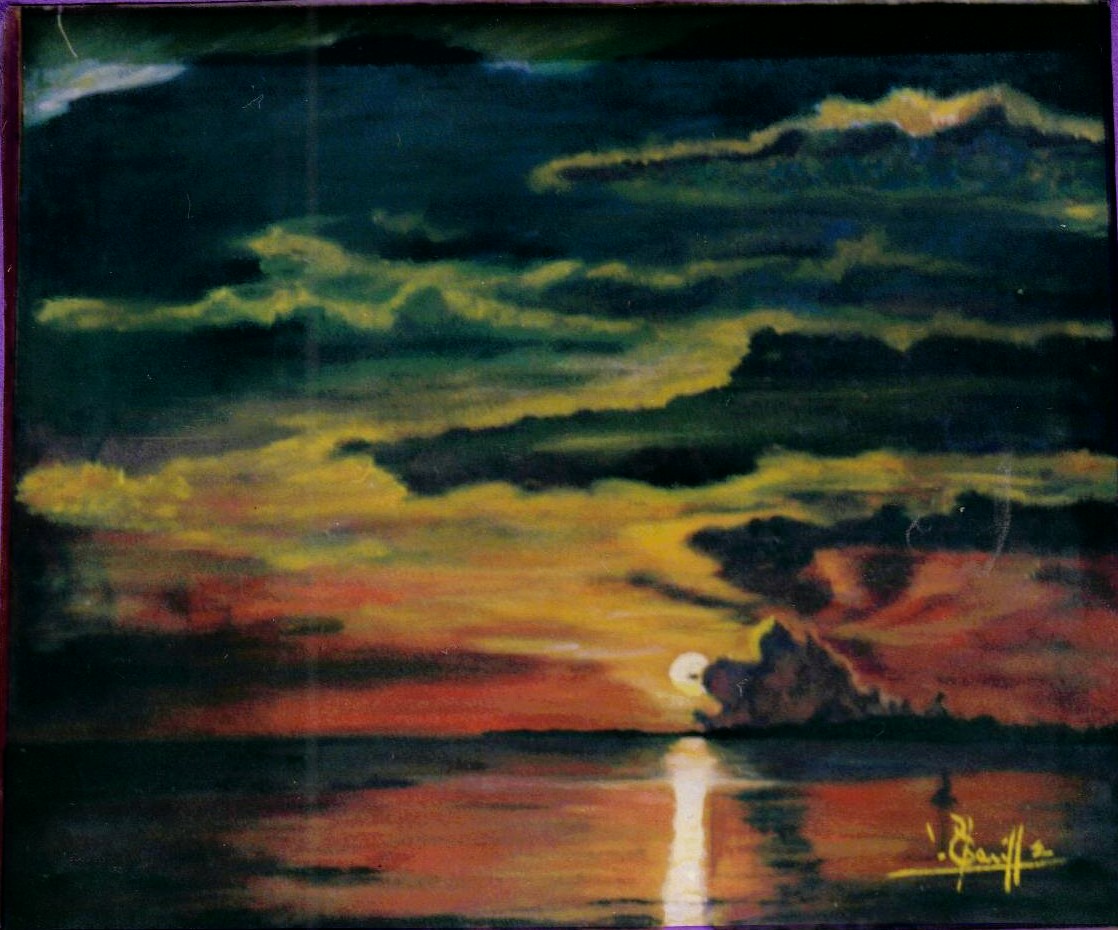
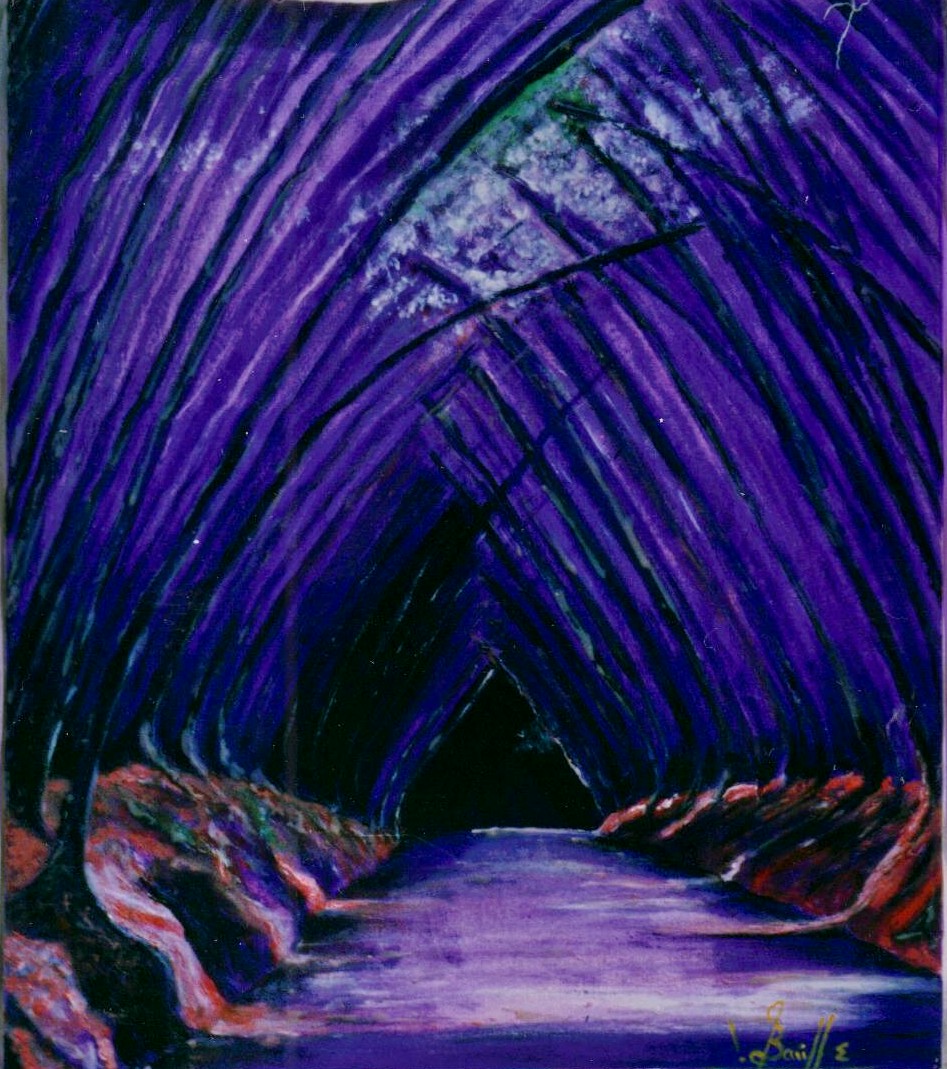
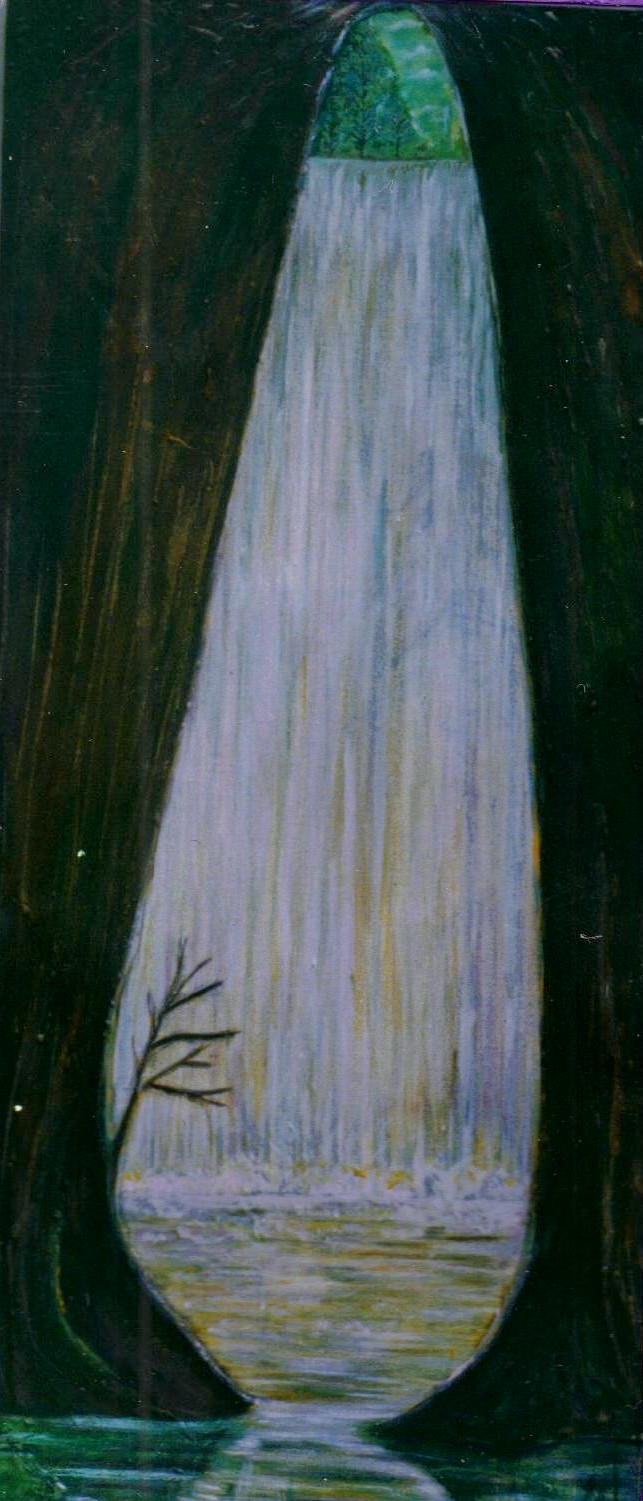
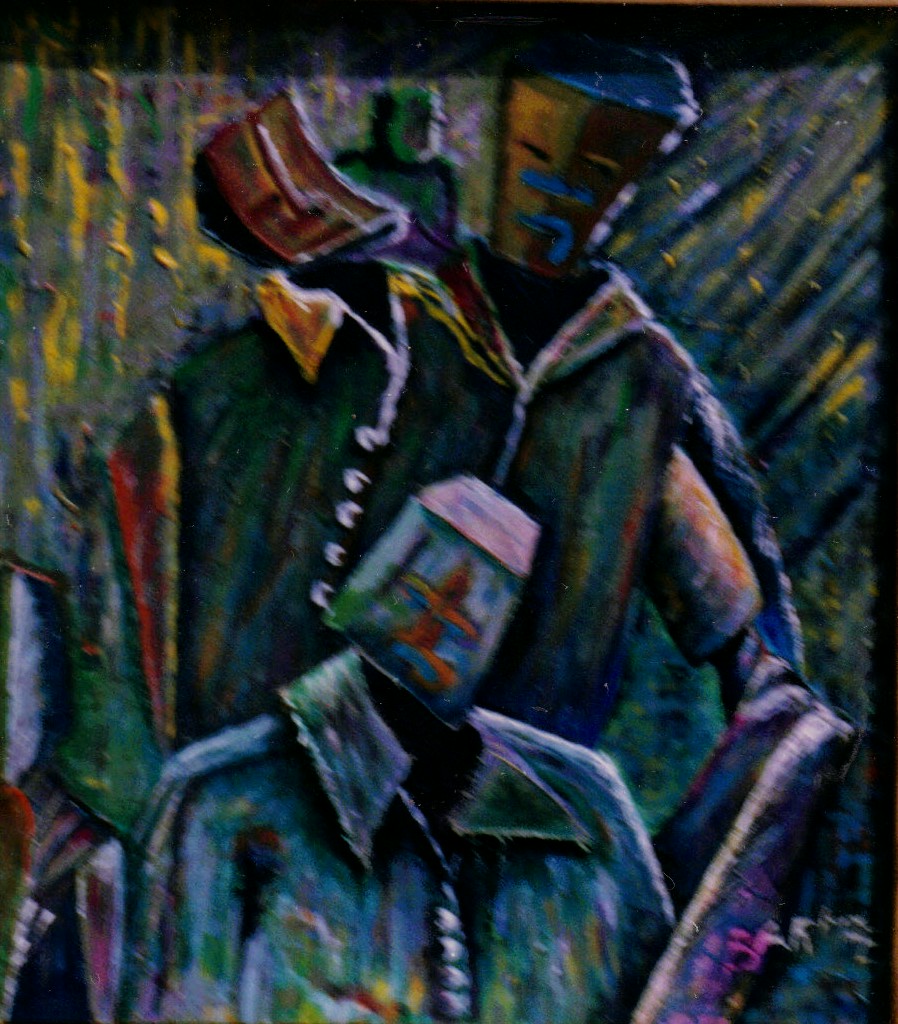
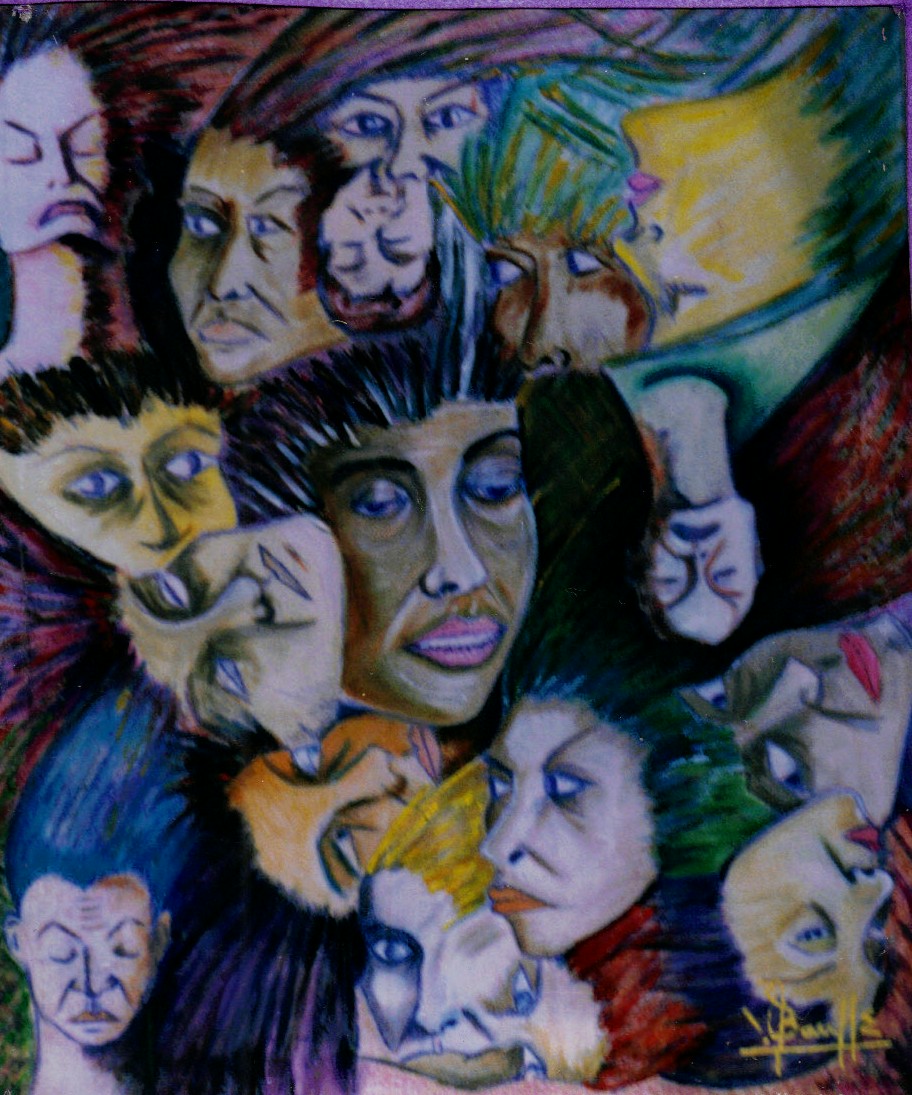
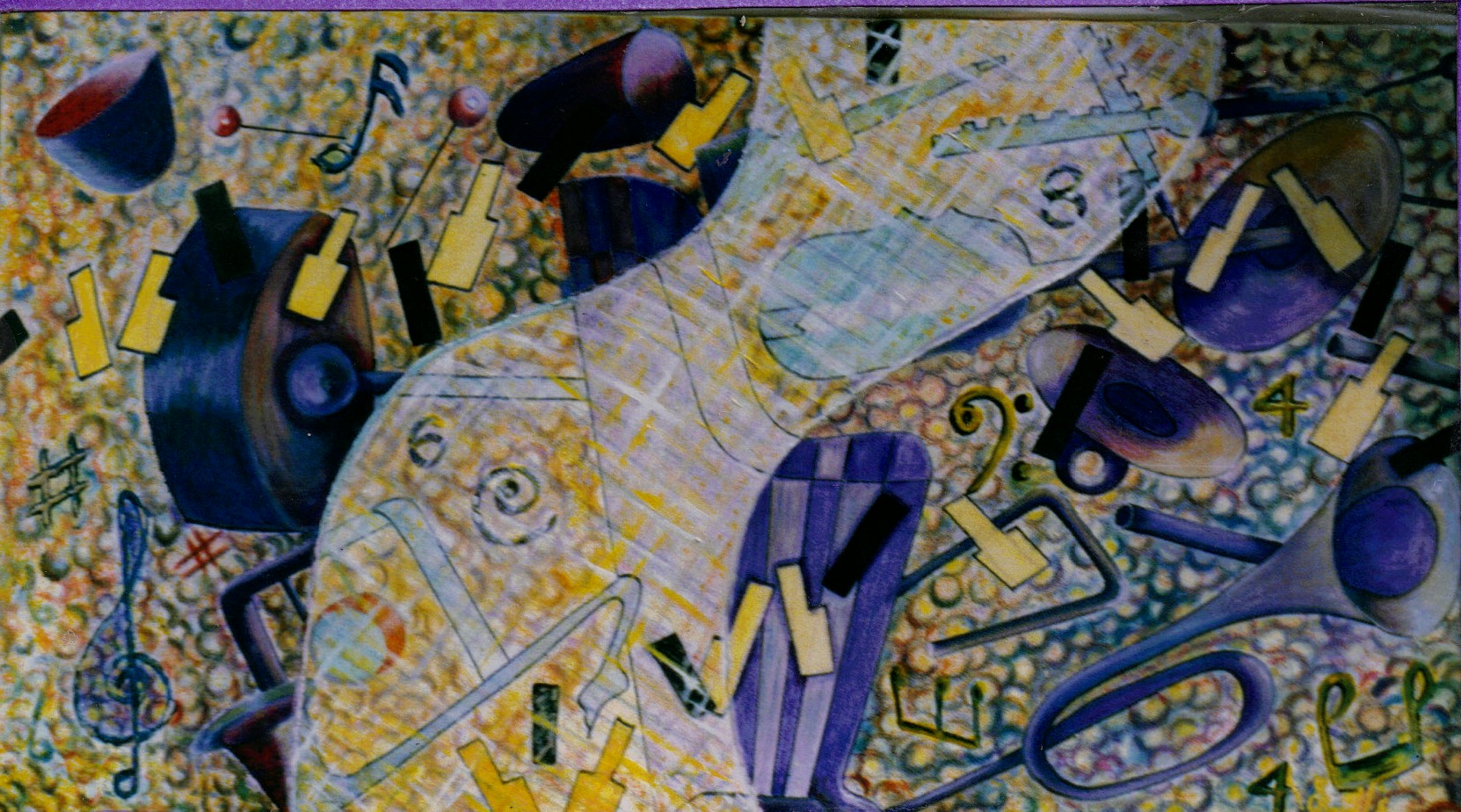
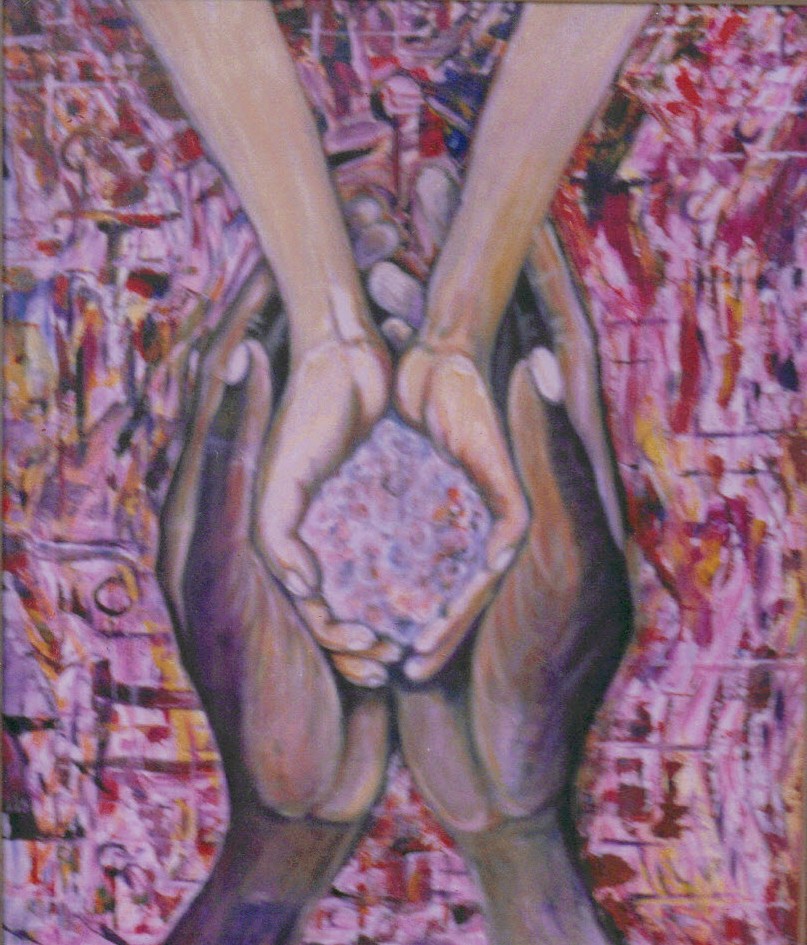
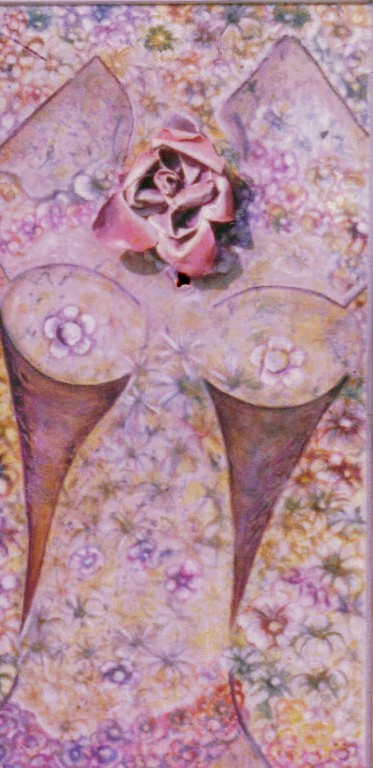
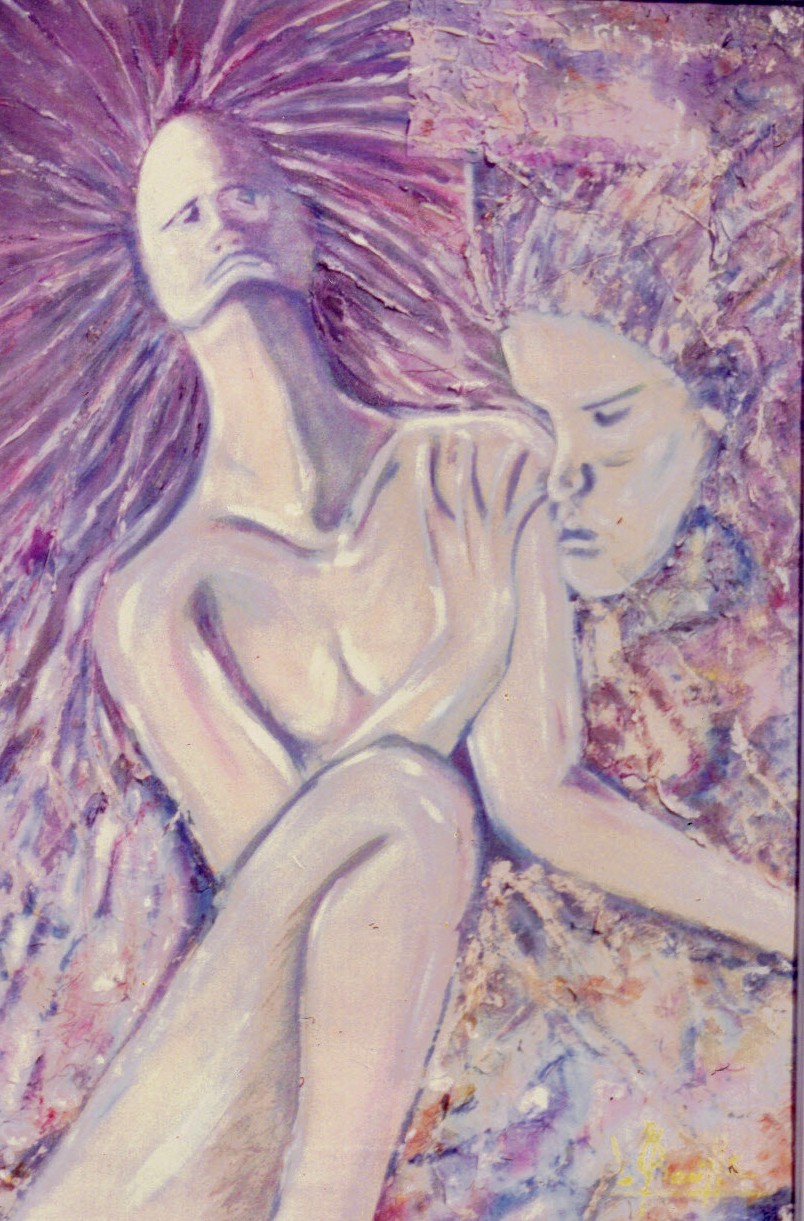
This body of works were also done before my formal training at the Edna Manley College of the Visual Arts in Jamaica. They were the early attempts at abstraction using the human body as reference.
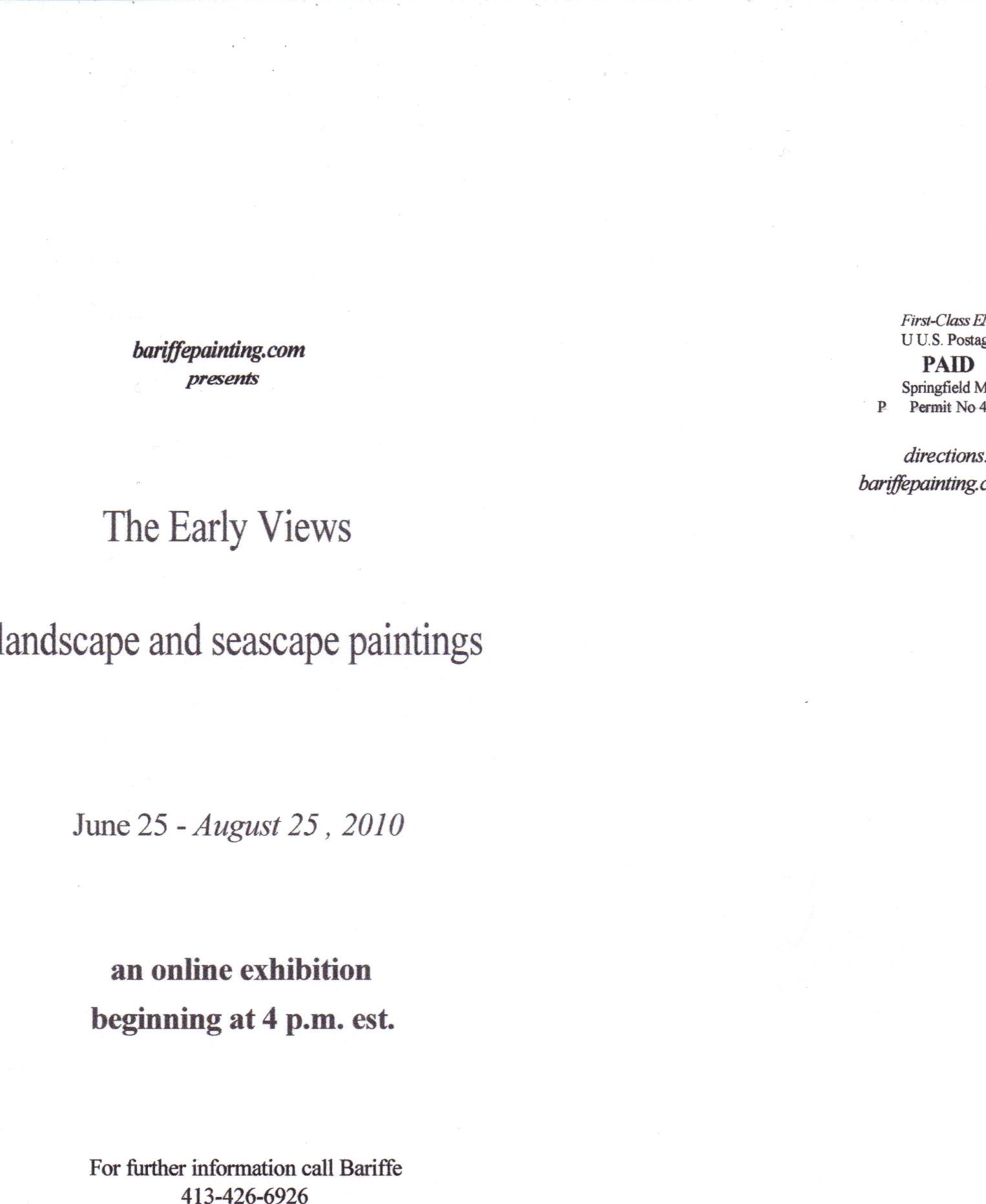
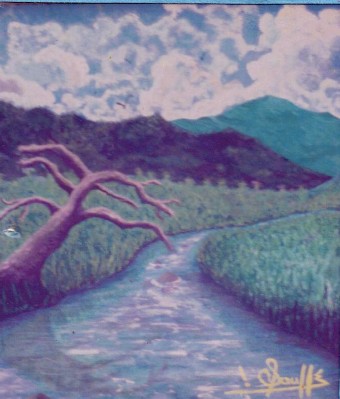
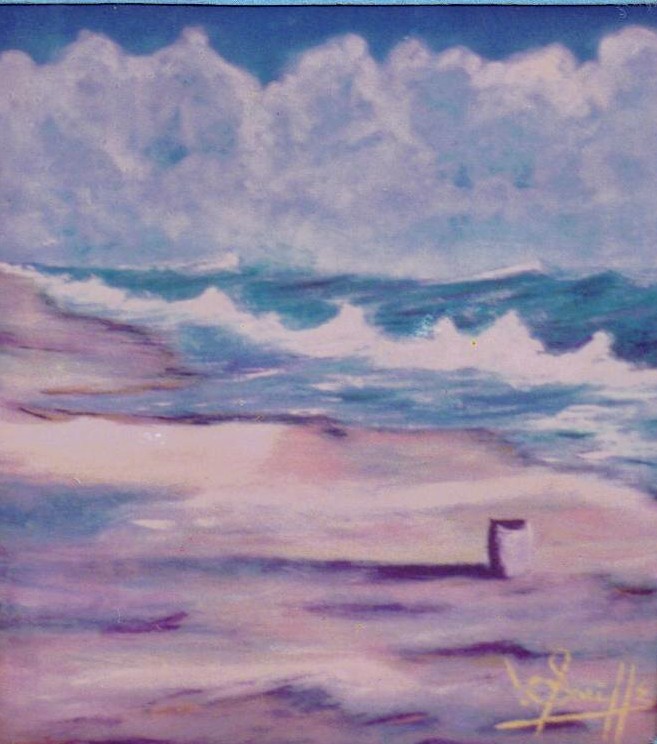
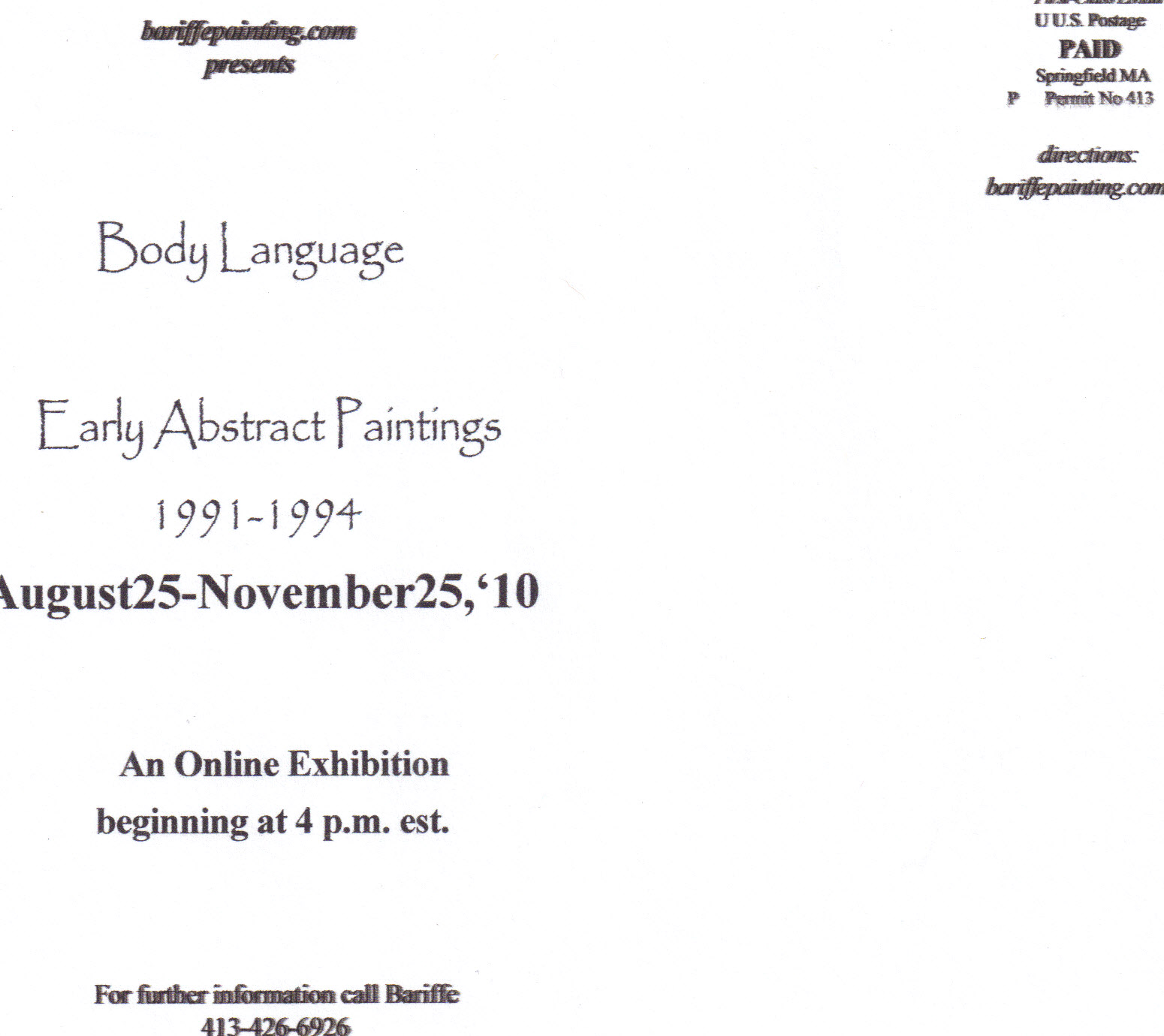
Body Language
1991-1994
Artist Statement
This body of works were also done before my formal training at the Edna Manley College of the Visual Arts in Jamaica. They were the early attempts at abstraction using the human body as reference.
Dreams of the Narco-Culture 1997
Artist Statement
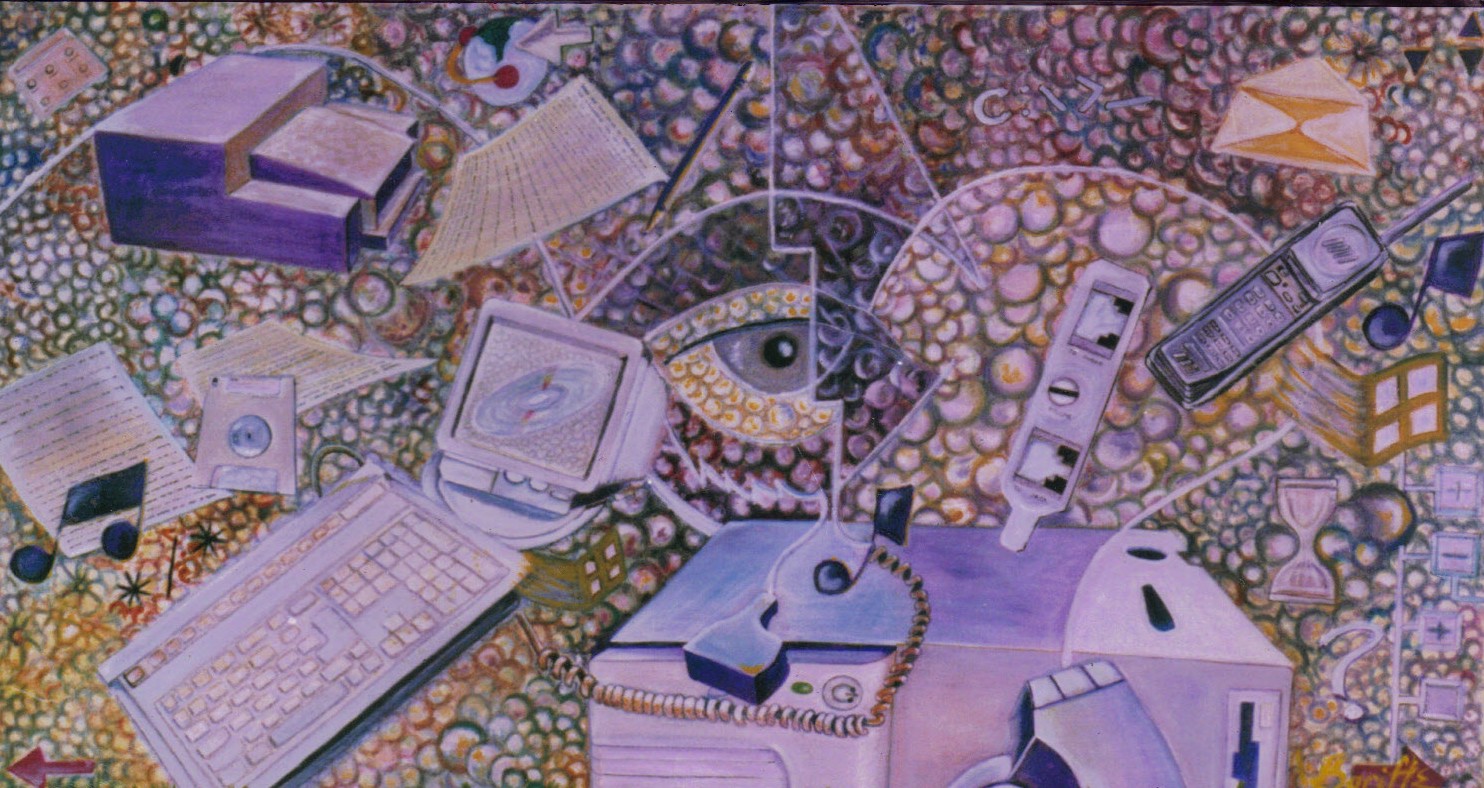
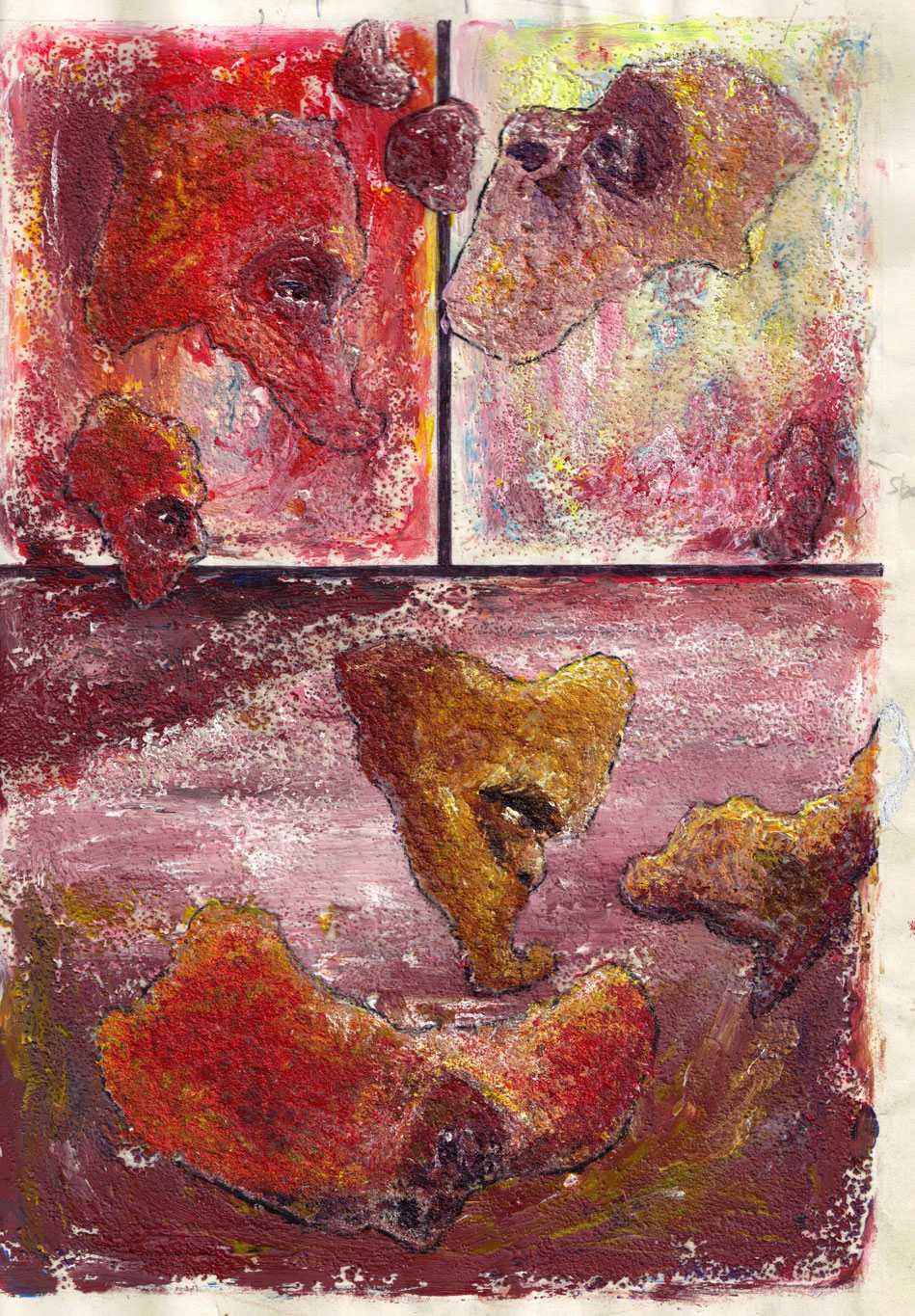
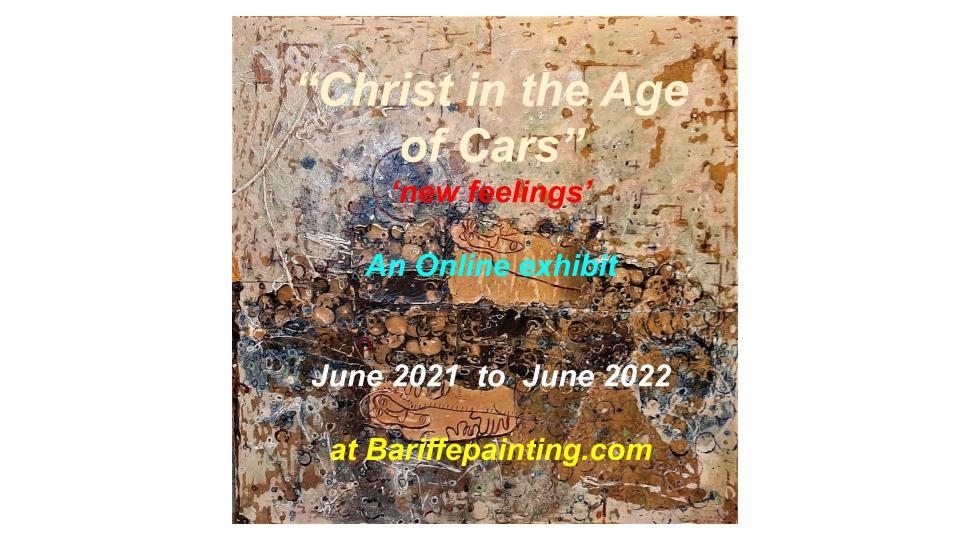
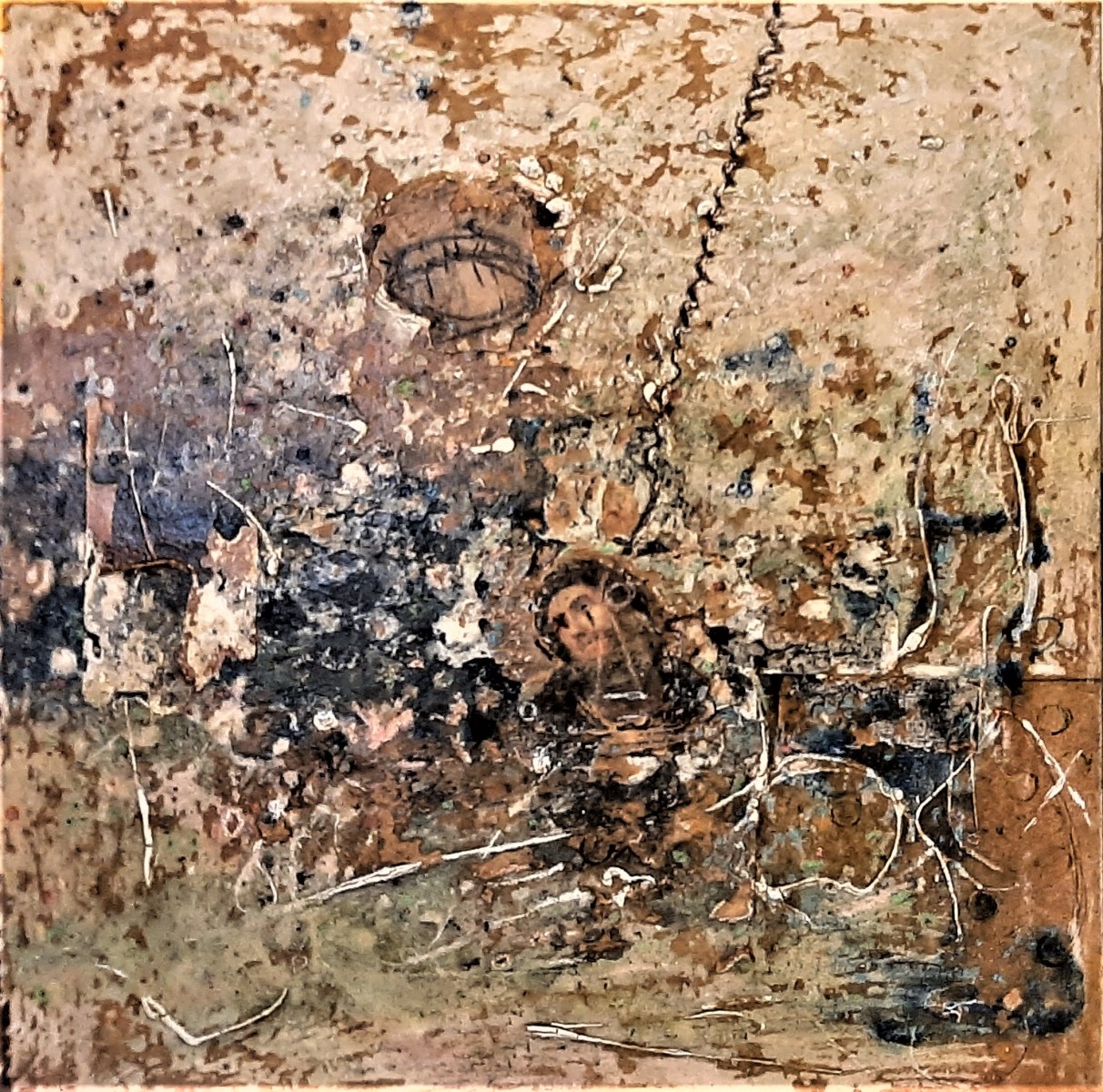
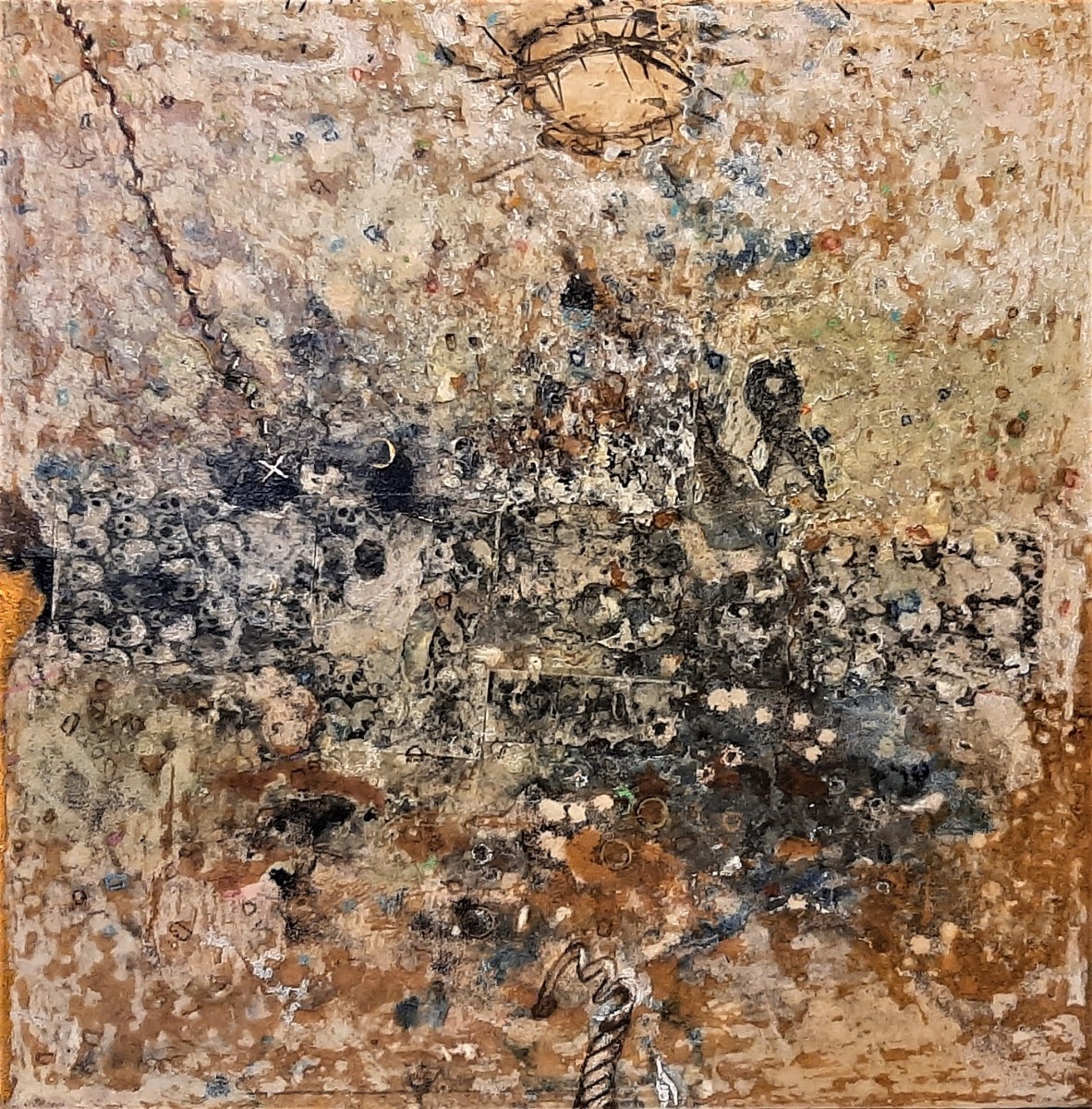
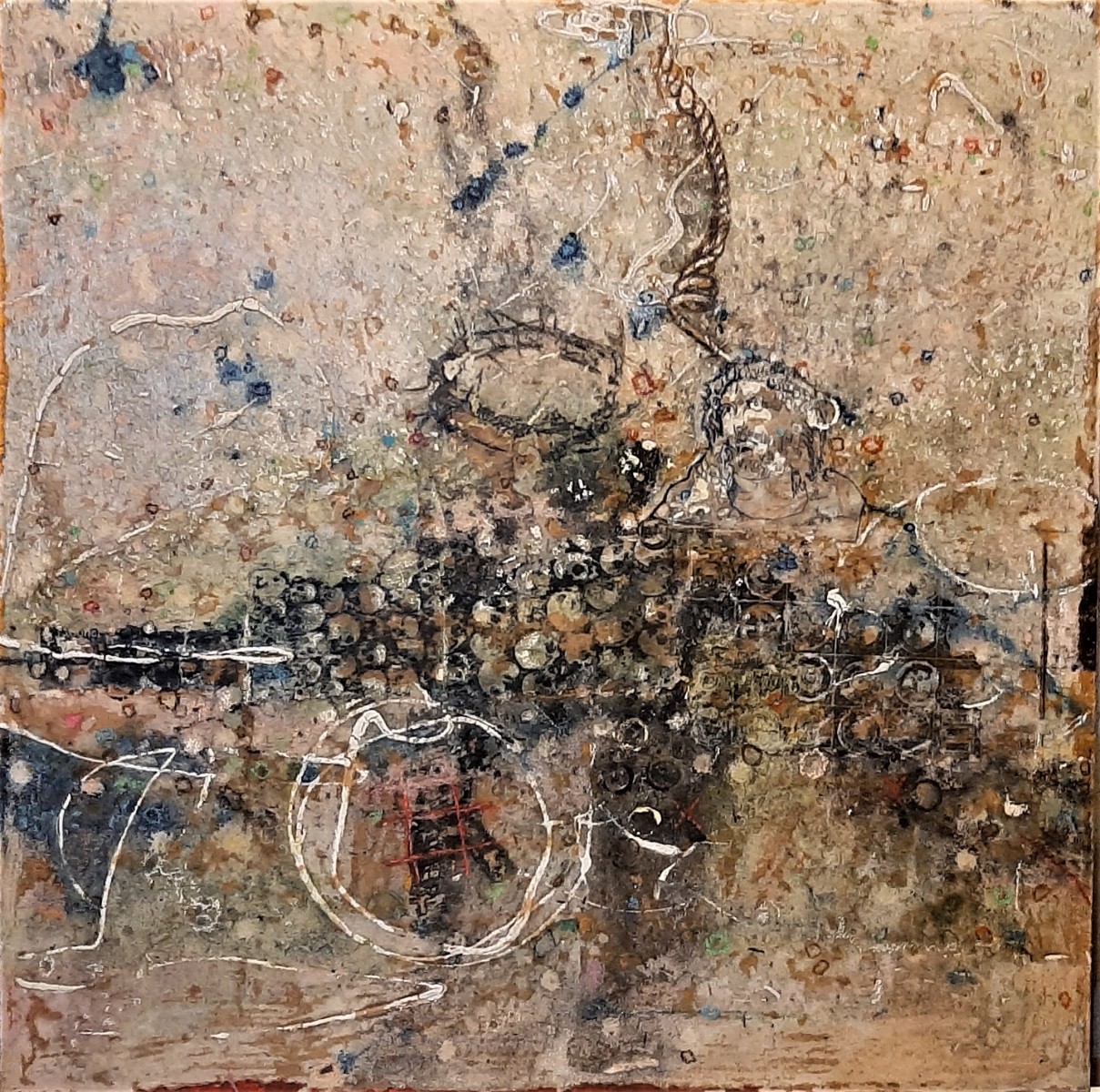
The theme for the series of paintings began as ‘ Christ in the Age of Cars’. I wanted to comment the mentality of some Jamaican people in the relationship to cars. it was an attitude that values materialism over sprituality but yet we are probably one of the most religious countries in the world, with more churches per square mile than anywhere else. Somehow some among us have an as attitude more not befitting of who we really are; a gifted, resourceful people. There are those among us that display our ignorance, lack of self control and crudity without conscience. A provenance of crudity, callousness and rudeness. They among us hide behind christ-likeness on church days, yet the crime rate, murder rate, road fatalities and lack of respect for human life escalates.
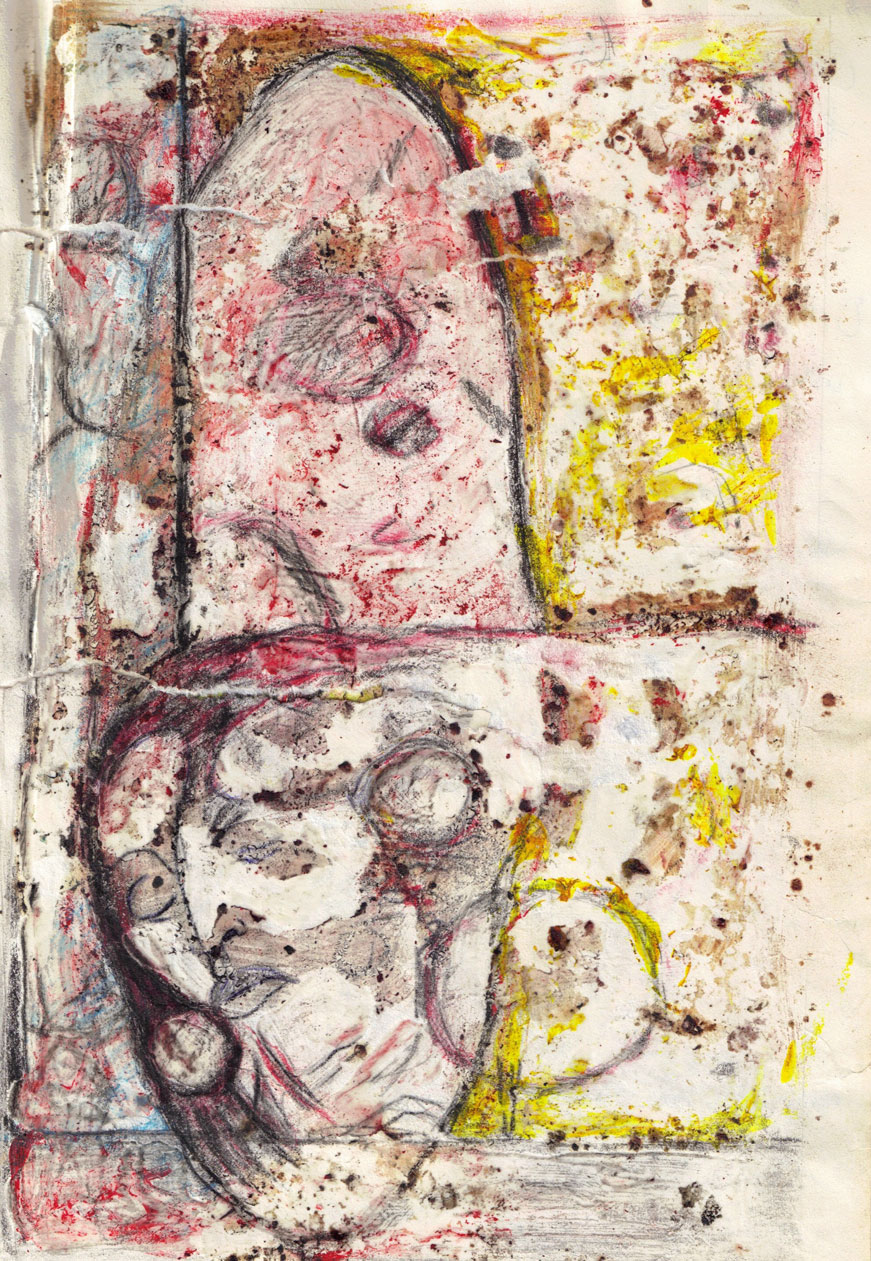
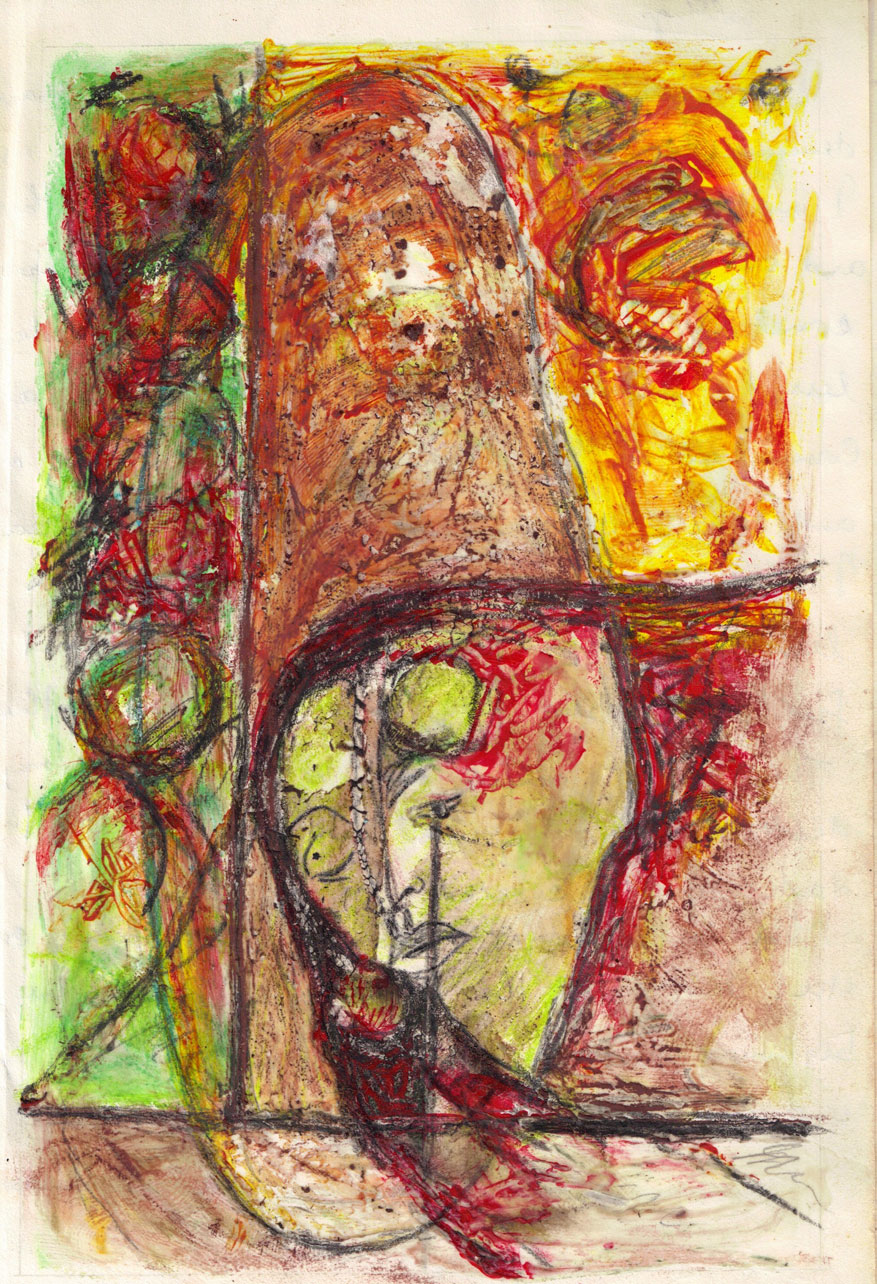
We have a way though of appearing calm, a sort of easiness about us. In the images I express this feeling of the human condition by using the image of a portrait of the “Wounds of Christ in the Age Aids” by David Boxer. Something seems to be eating away at our christ-likeness. It is as if we are in a state of narcosis. This narcosis resembles an unconsciousness sleep due to some non-spiritual drug. This is suggested in Portrait 1 and portrait 2.
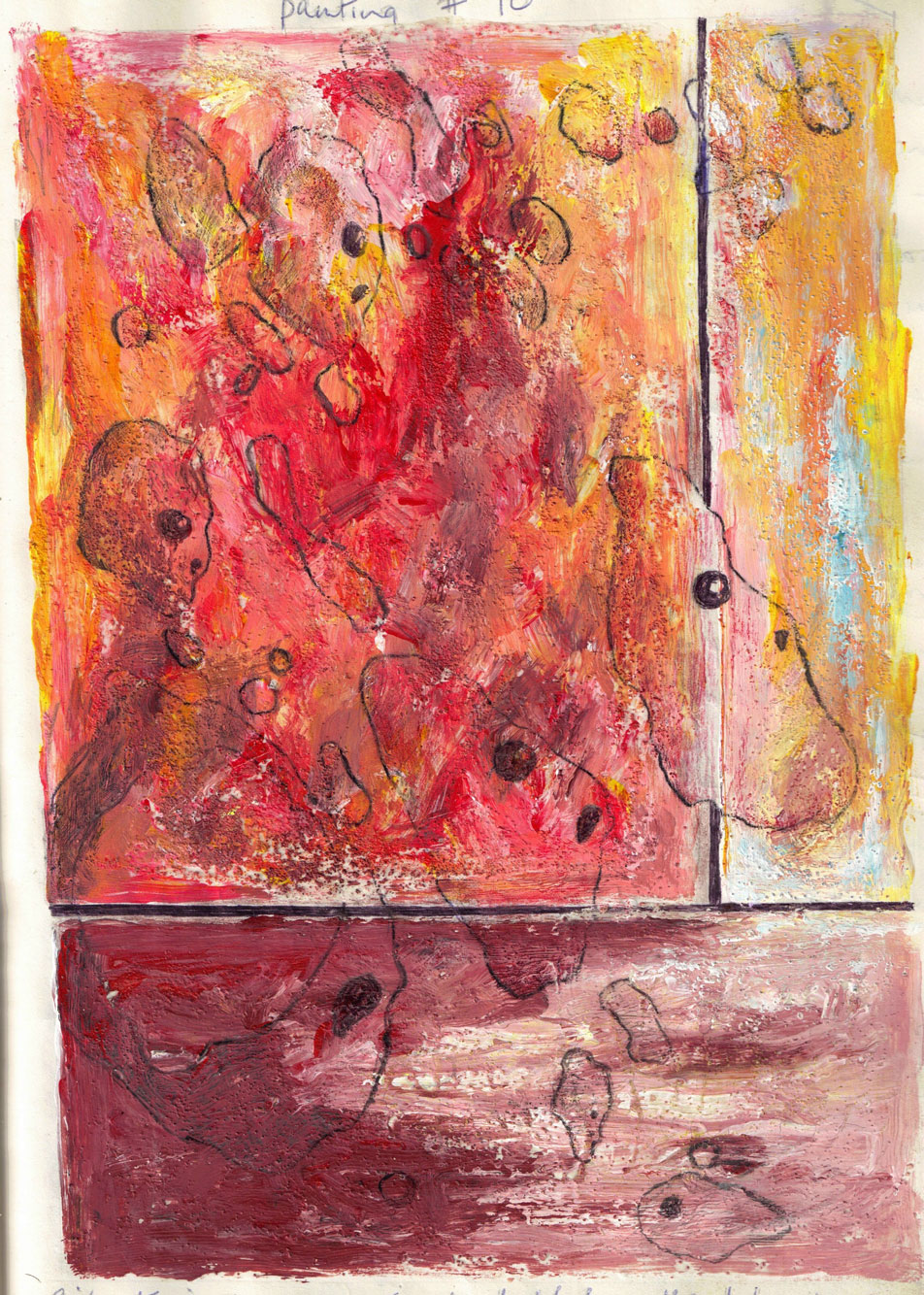
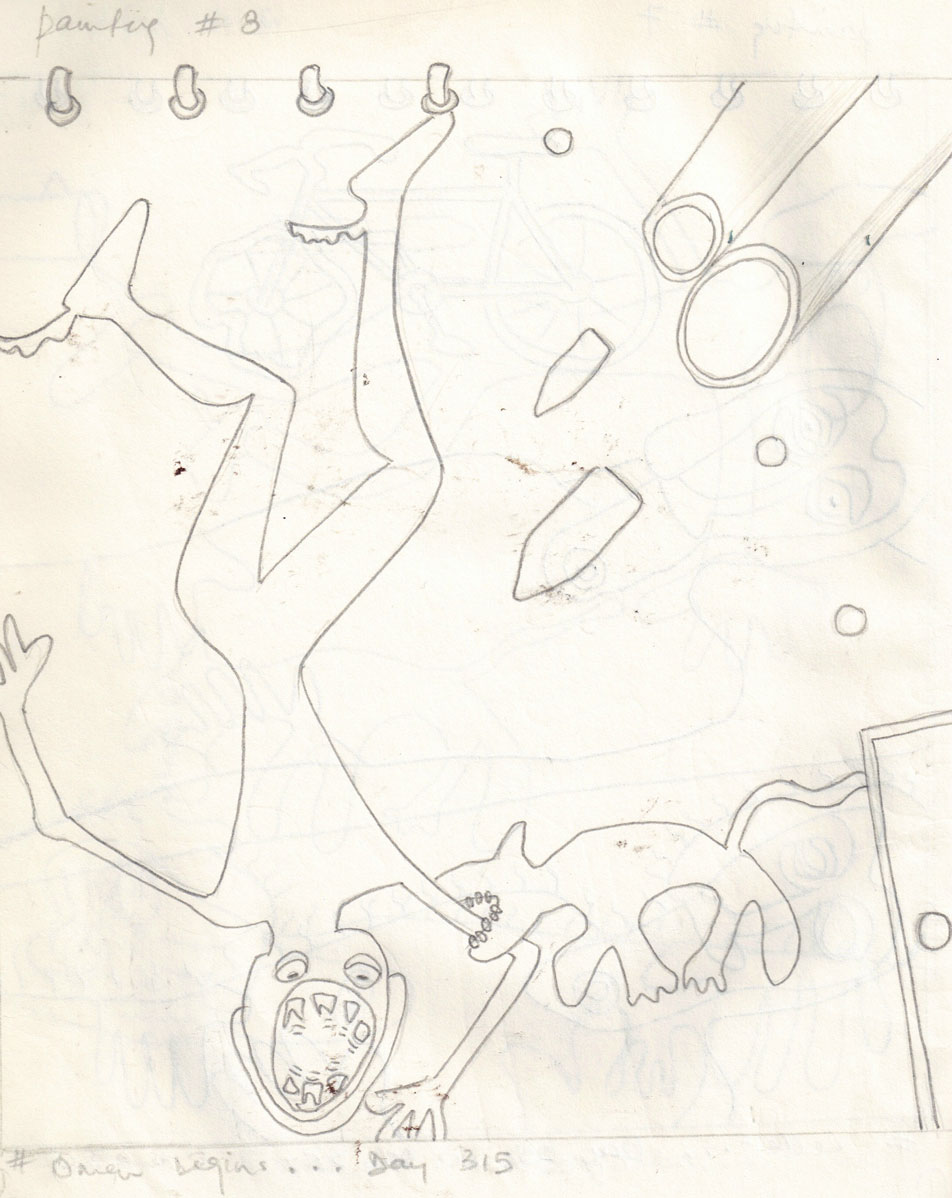
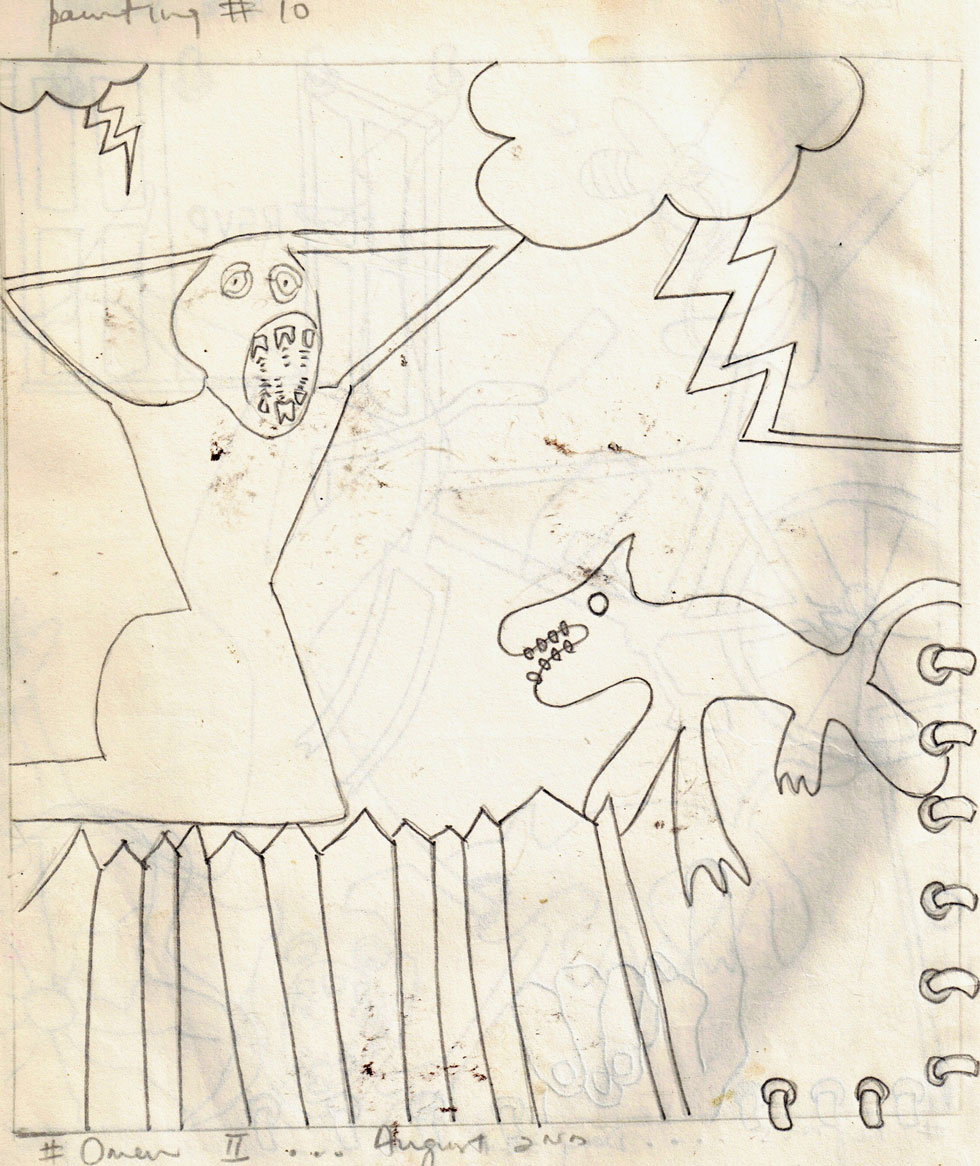
This led me into questioning a new theme – Jamaica, Narco-Culture. What implications could i make and justify the by suggesting that we are on a spiritual decline. Could I leave that conclusion to the viewer as in Painting # 5 and Painting # 10 where the whole image starts to break apart and is slowly vanishing.
In recollection it has often been expressed by the older folks in our society, those over fifty, that the younger people of the now generation, bombarded by virtual reality, video games, digital satellite, cable television, where nothing is hidden from our eyes and everything we take in conditions us to behave like characters in a movie, seem to be in a state of euphoria, like ‘frightened Fridays’. This high, elation or false happiness is evidenced in our narcosis. We ingest the non-spiritual thereby corrupting the soul with the hops of malignant joy. This temporary ‘joy’ makes us aggressive, violent, undisciplined and lethargic.
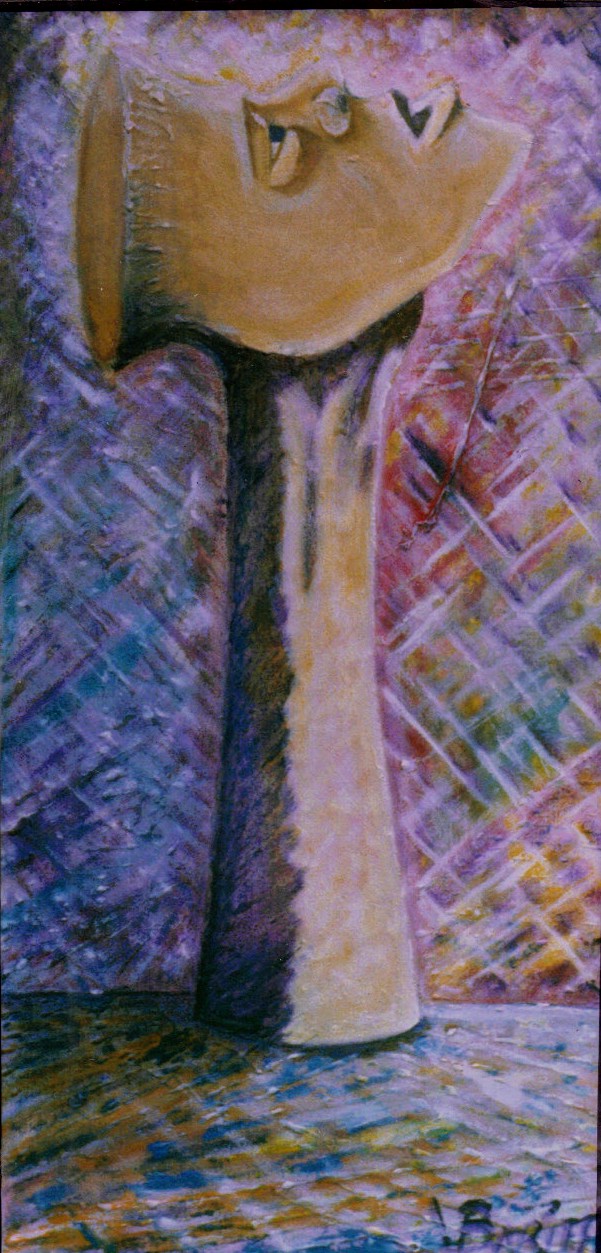
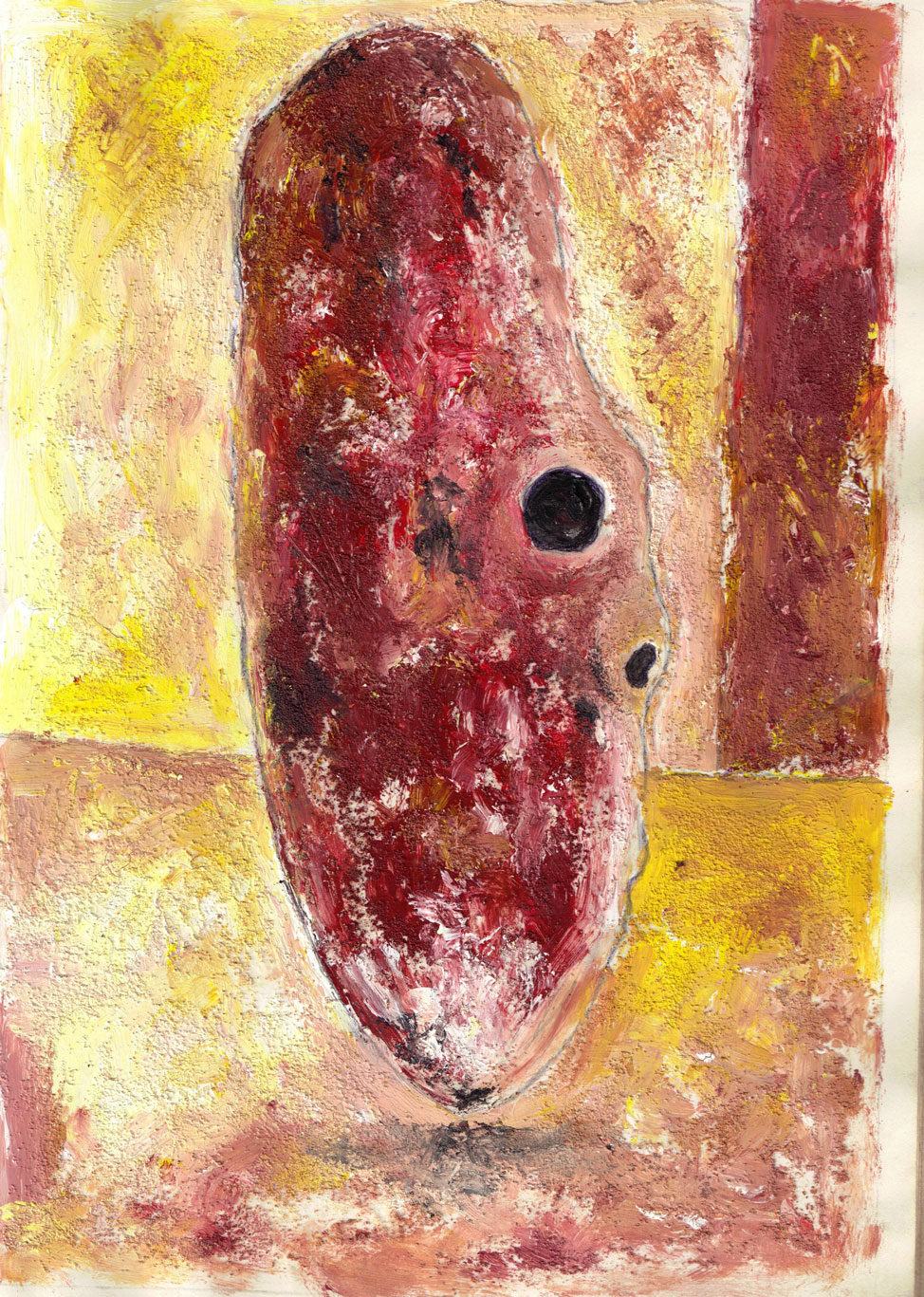
I reference Francis Bacon’s The Magdalene’; a figure partially draped, solid as a marble and is bent and double. Over her head is a blue umbrella from which hangs a semi-transparent veil, while below in partial obscurity her head like that of a weird animal extended on a long neck, mouth wide open in a great wail or scream of grief. This was the devotion to the monstrous, the deformed, or the diseased as indicated in the images Omen 1 and Omen 2. This is the plight of our humanity.
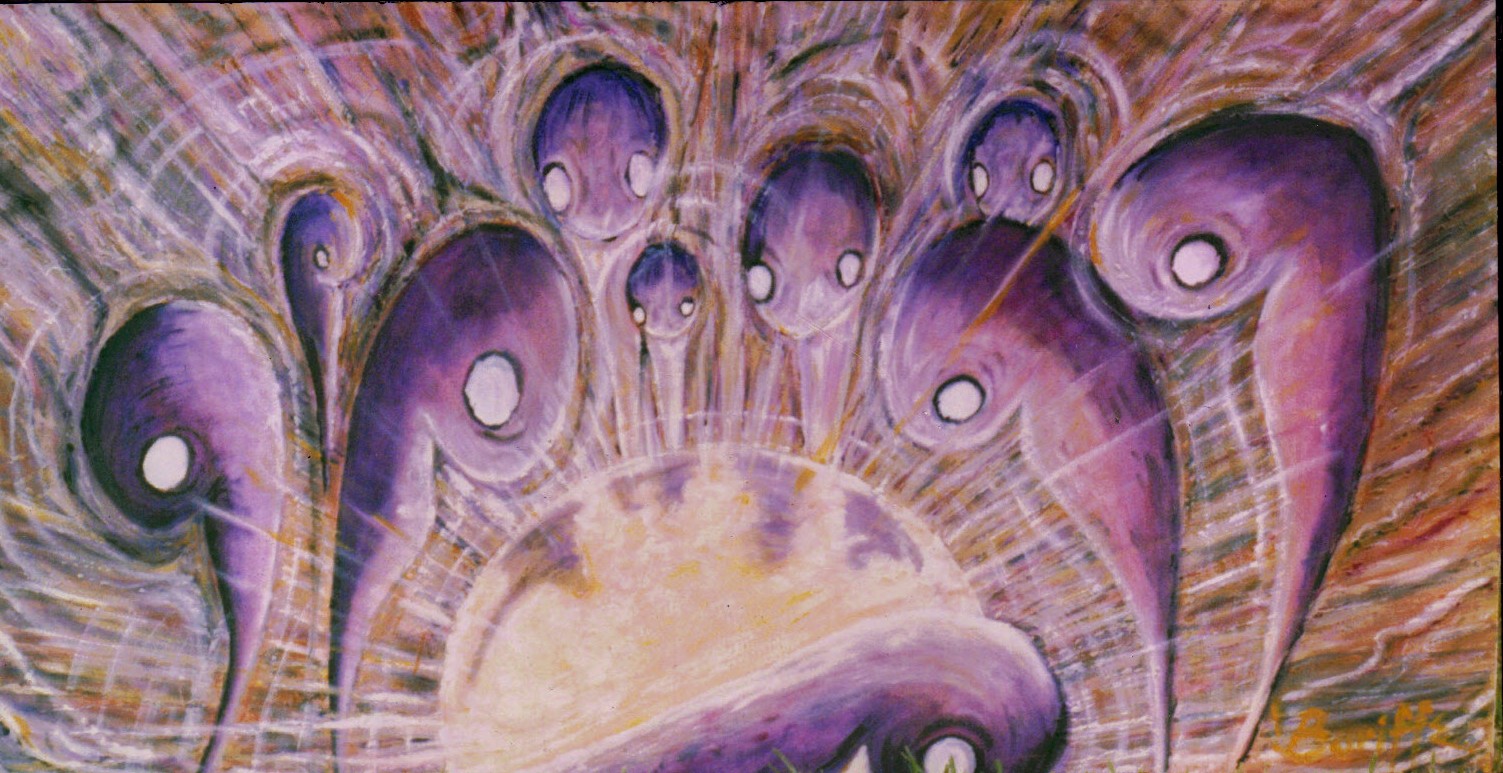
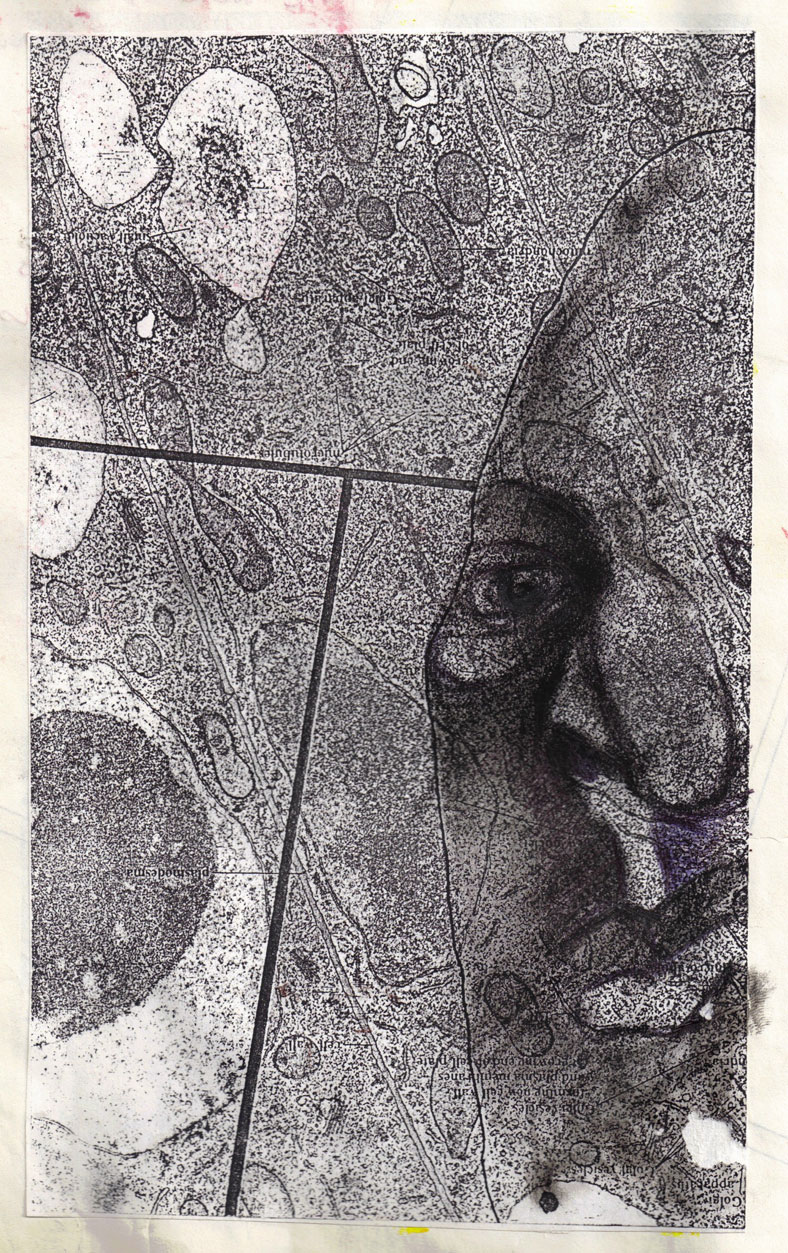
I wanted to suggest by the appearance of the images a feeling of ‘a ‘duppy’. The outside appears calm but by the suggestion of viruslike strucures, eating away at the inside of us. The eyes and mouth are partially closed suggesting the drowsiness caused by those obligate parasites. There is something wierd, montrous, deformed or diseased as in Paramecium 1 and 2 which calls upon our lethargy and eats away at the soul of man, his christlikeness rendering him incapable of showing through his light.
We like virus pass on our dis-ease to others. The use of the paramecium shaped cells suggest by their environment a decay.
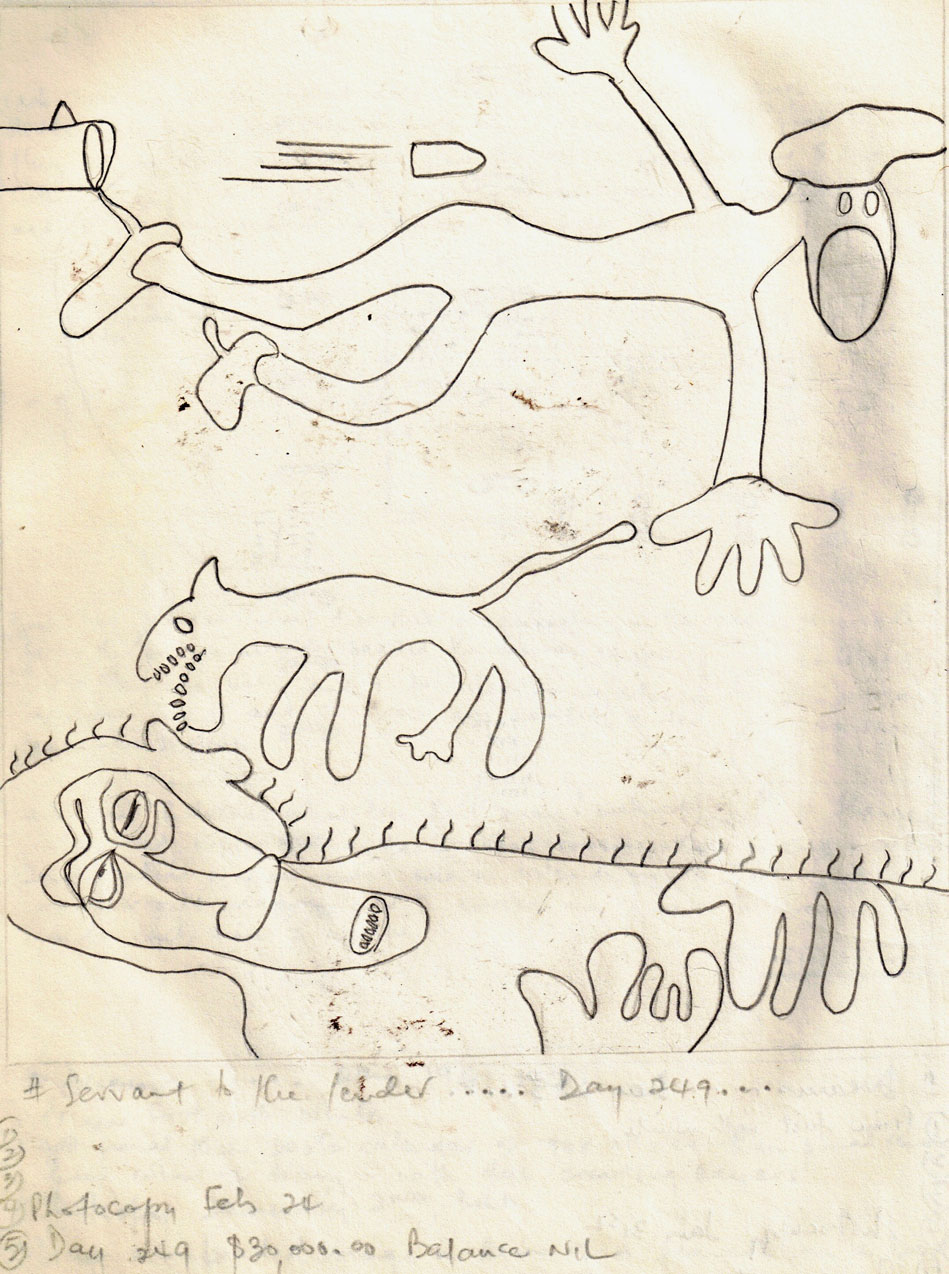
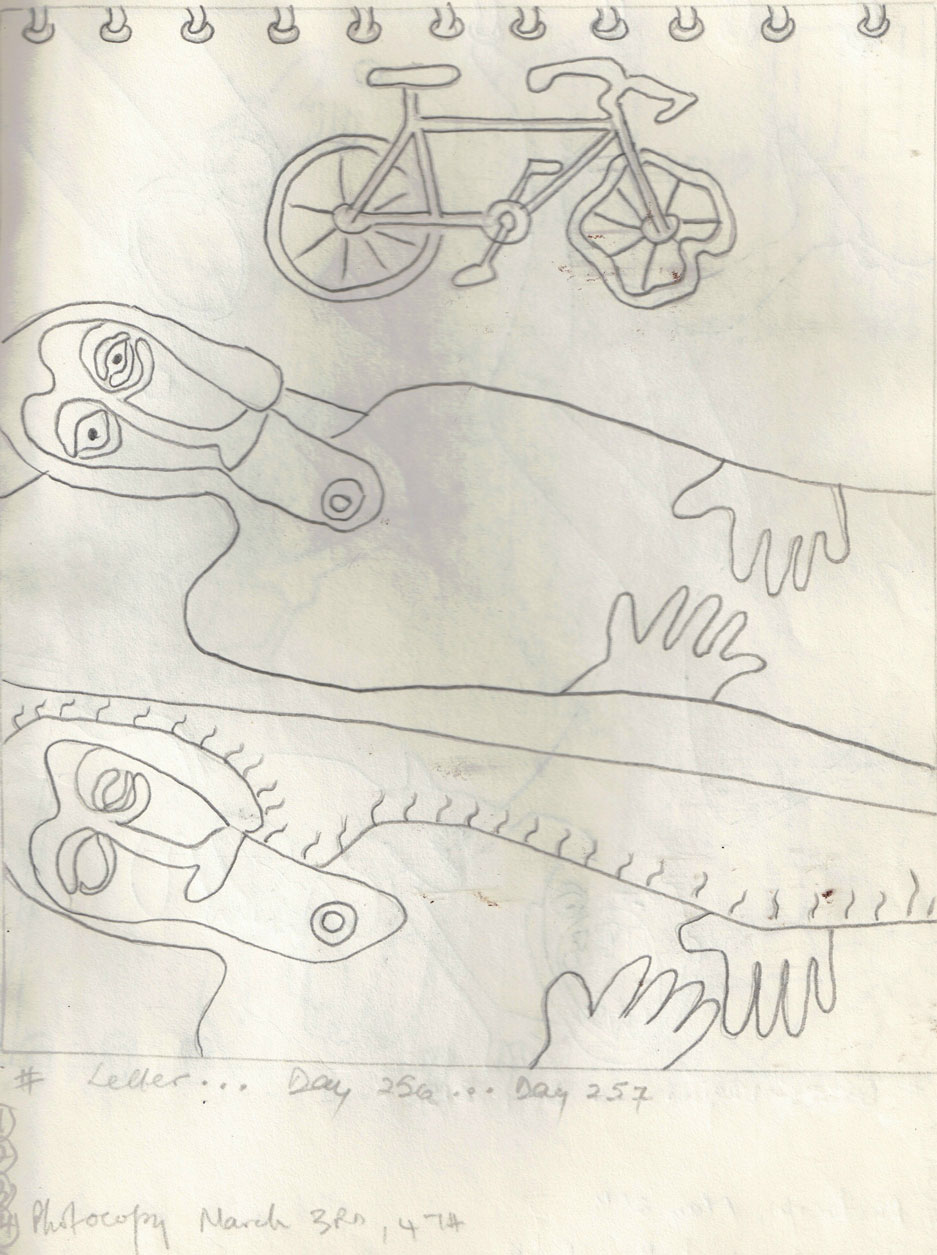
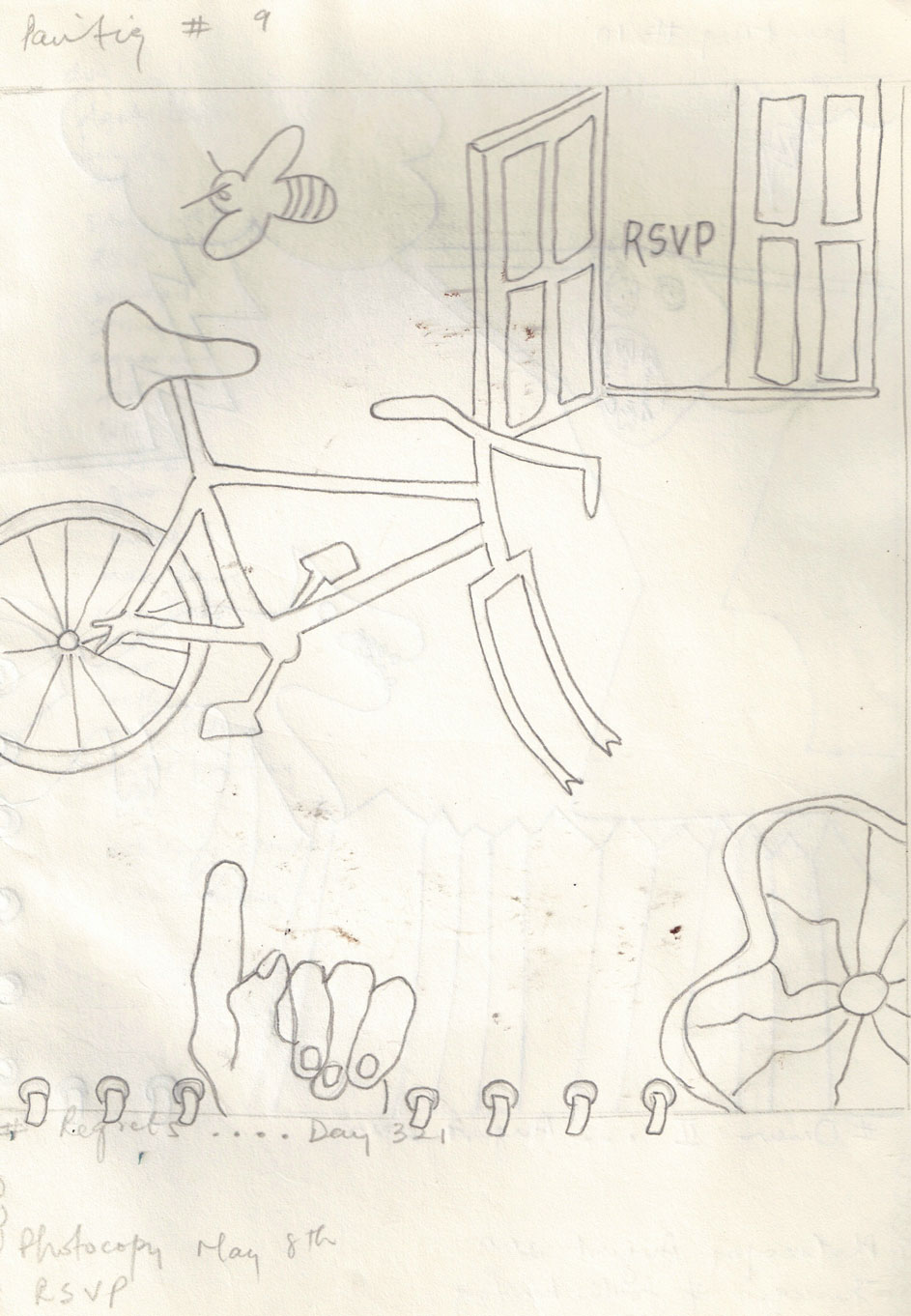
I wanted to be specific with my imagery hence the simplicity of the expression as in ‘Phantasma’ and ‘Promised to the lender’ The expressions are the focus of the images. It is with regret we have defined our unawareness of our departure from god. We have sought that which comes from without and lost that which comes from within.
Bariffe June 1997
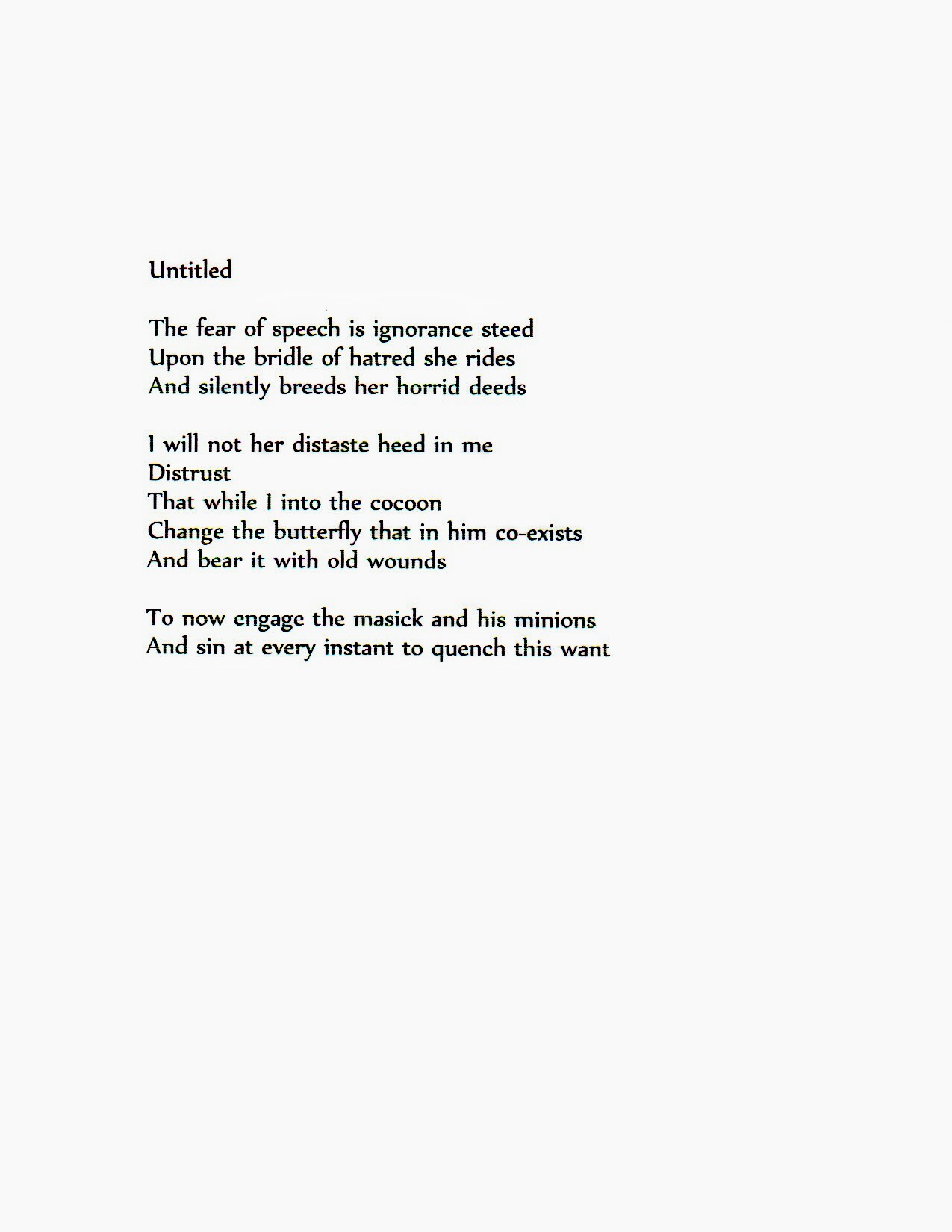
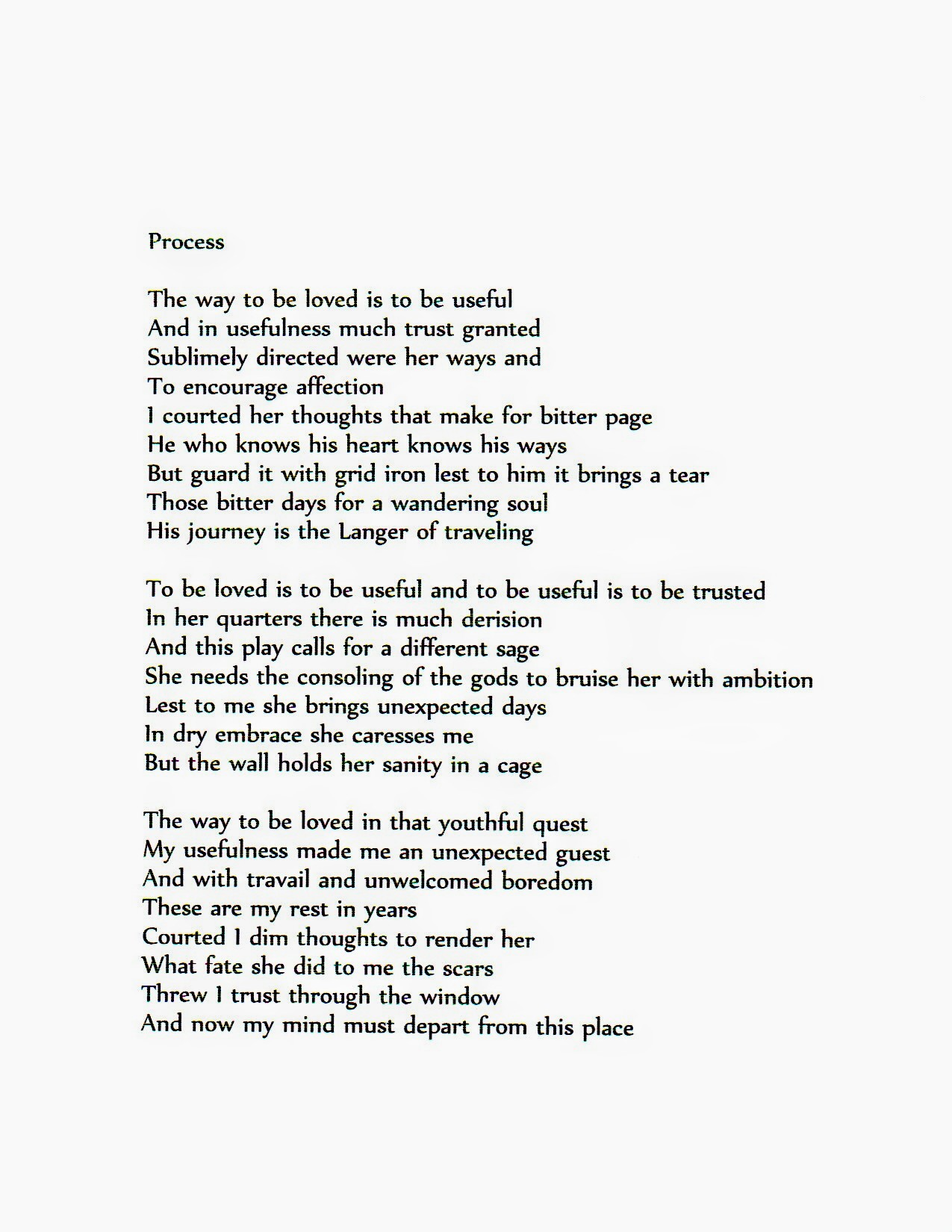
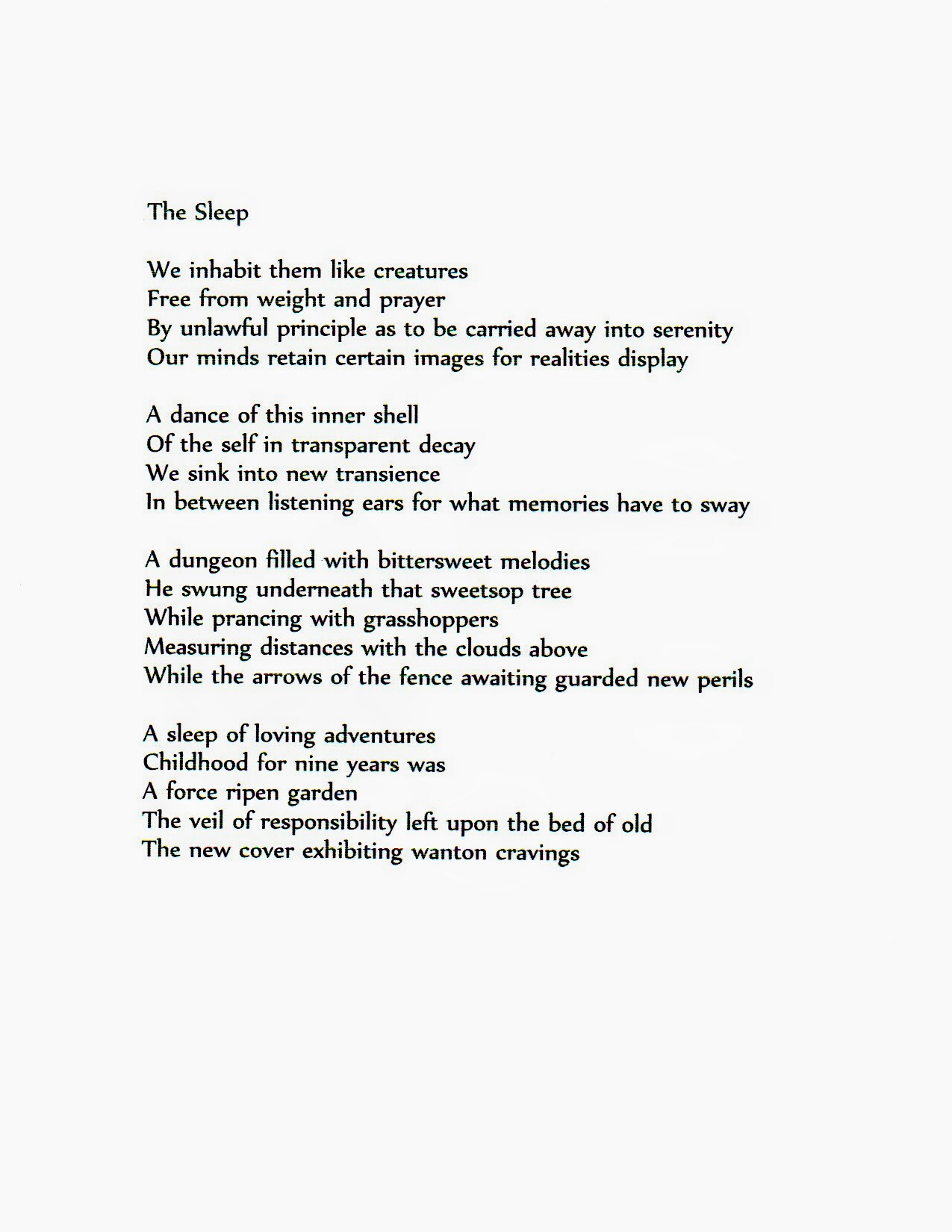
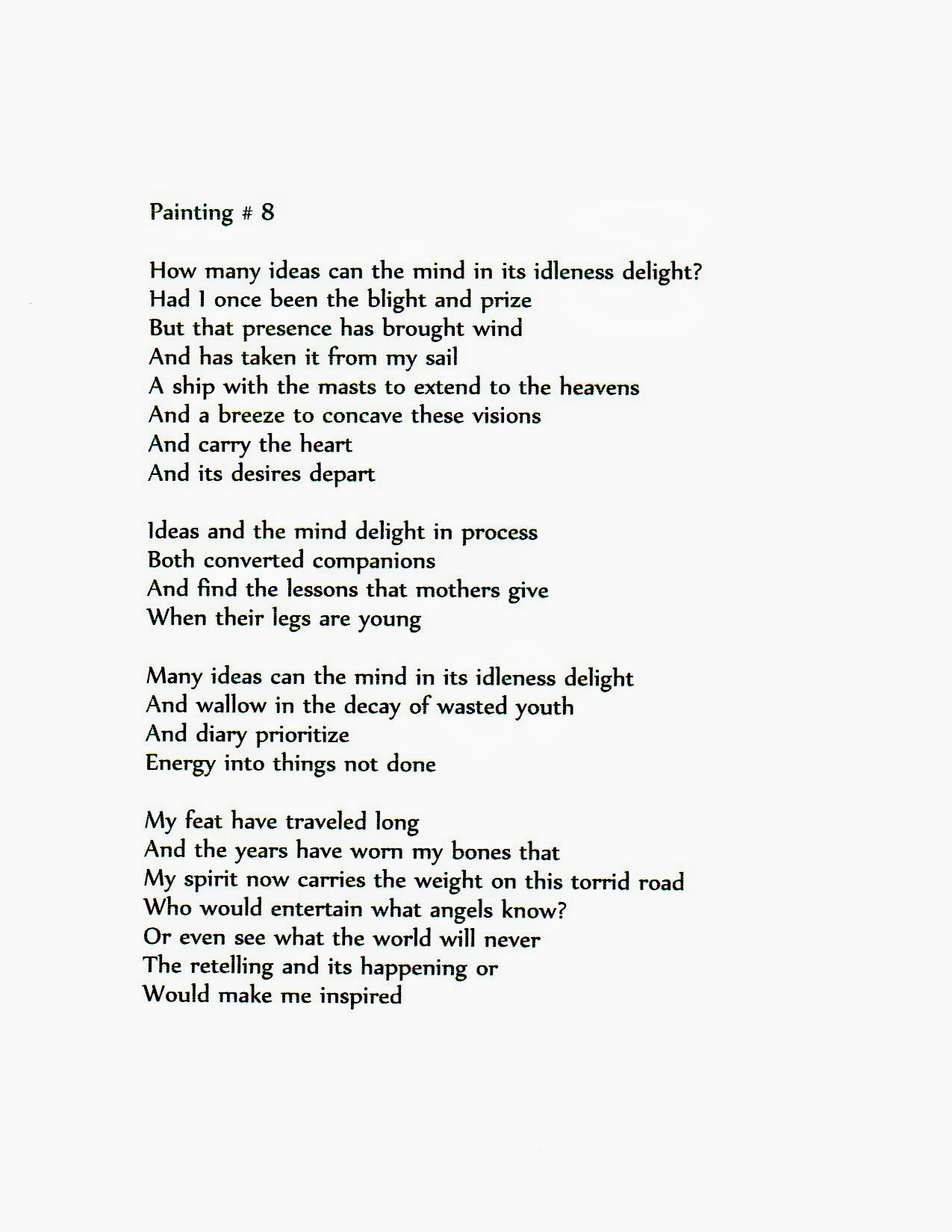
An Exhibition of Poems
“Travels and the Spirits at Play”
Artist Statement
The current series of poems in my estimation can be classified as images. They paint a picture of the thought process sometimes put into words before and after works done on canvas.
The series begins with the poem ‘travels’ which speaks about the search and a feeling of belonging. It encourages the idea of displacement and the memories that we hold within us when we move from one place to another. It suggests the means sometimes to transform new changes within our consciousness. At times this consciousness predates natural birth and as in the poem ‘incarnate’, one feels their existence is a repeat of past memories and events. The idea of ‘sleep’ is a renewing of new energies and striving to to evolve beyond the isolation of a displaced presence of mind.
With these new circumstances and experiences come new ideas, and as in the poem ‘longing’ there is a willingness to forget old ways of creativity, though as a part of memory, they are buried but never lost, to forge some new recognized or unrecognized search for identity through my work.
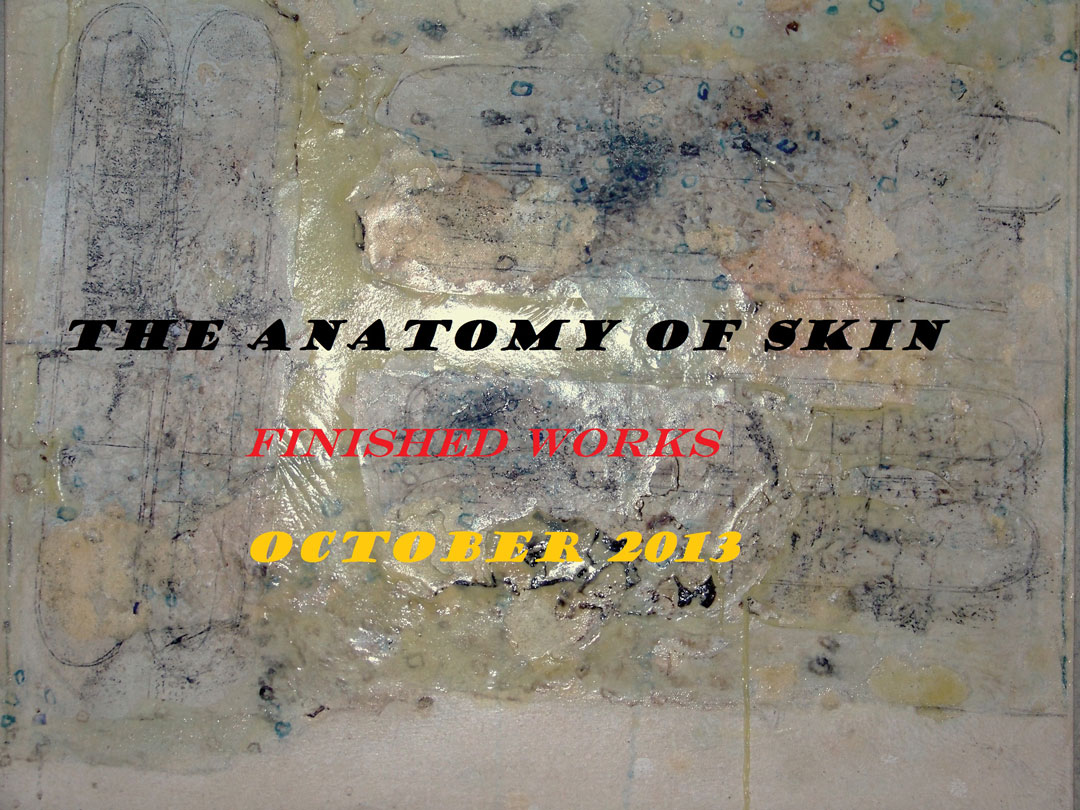
“The Anatomy of Skin”
Completed Works
“The Anatomy of Content”
Statement 3
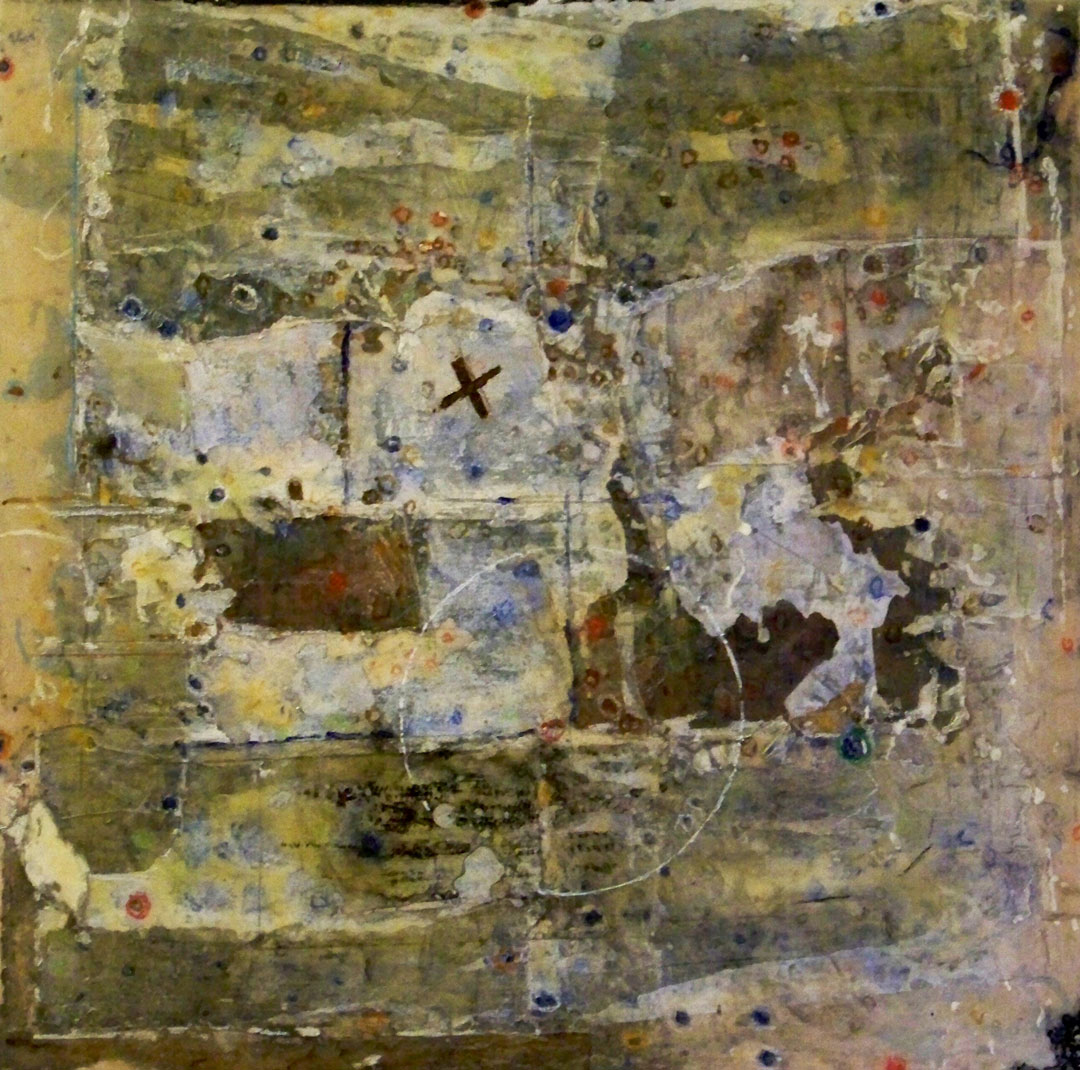
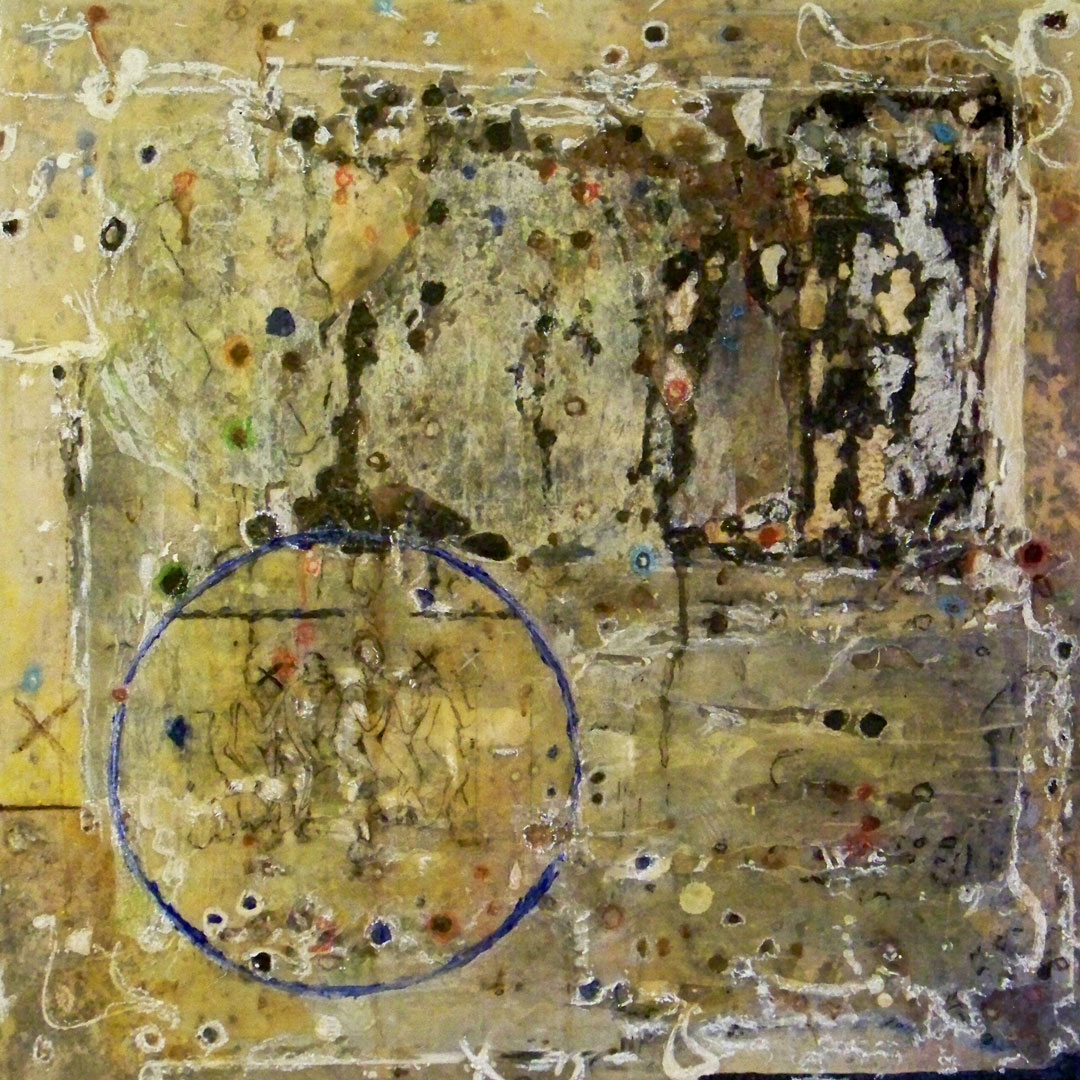
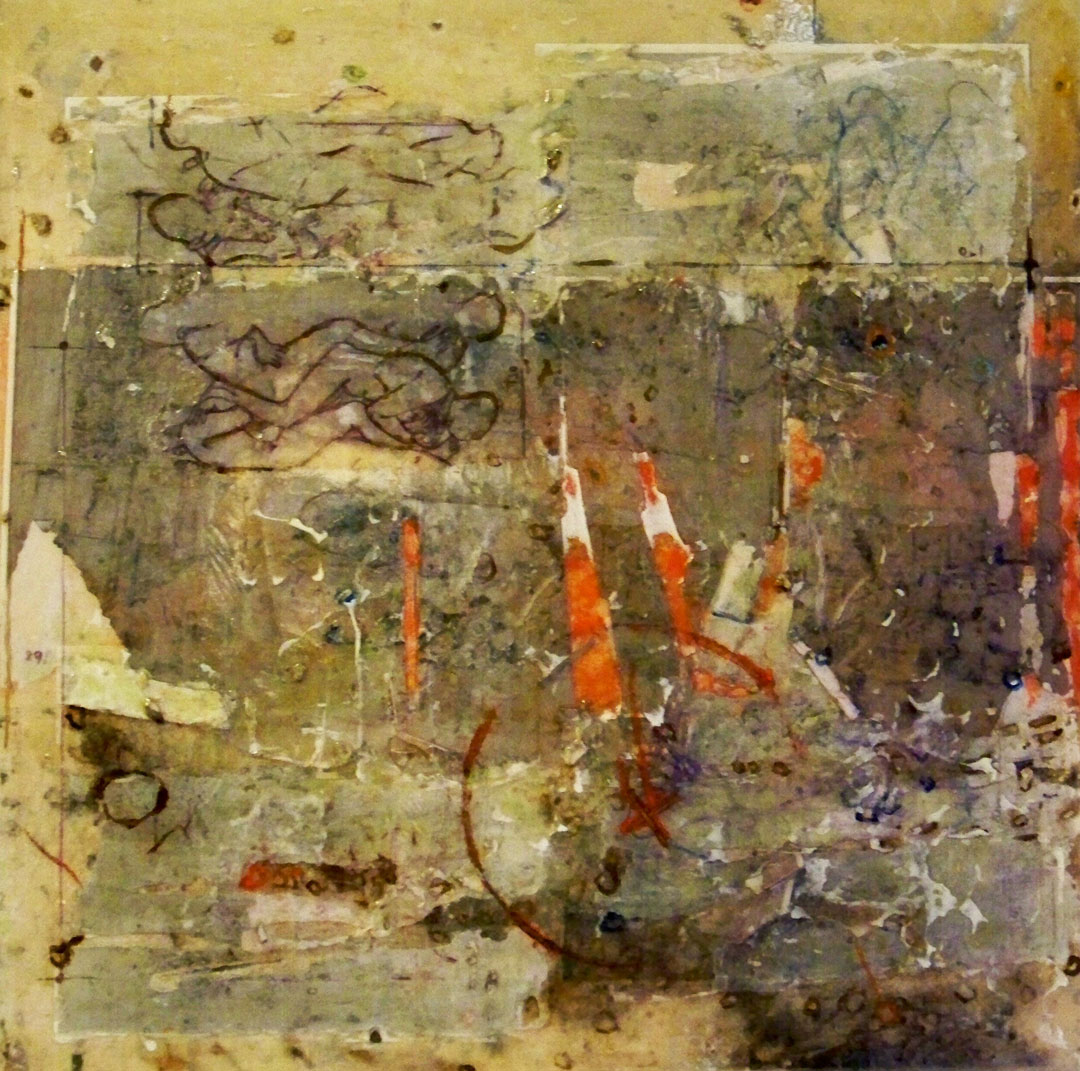
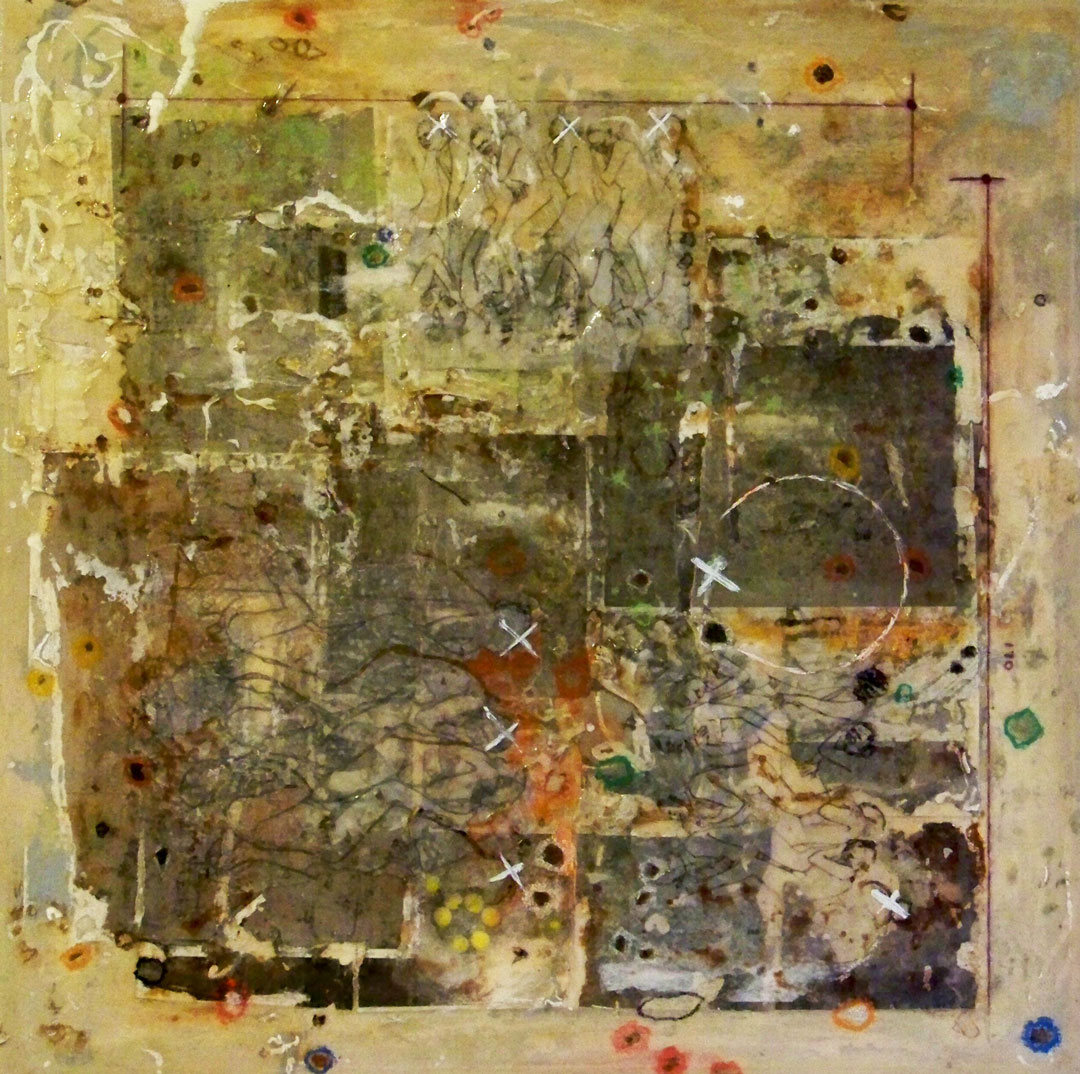
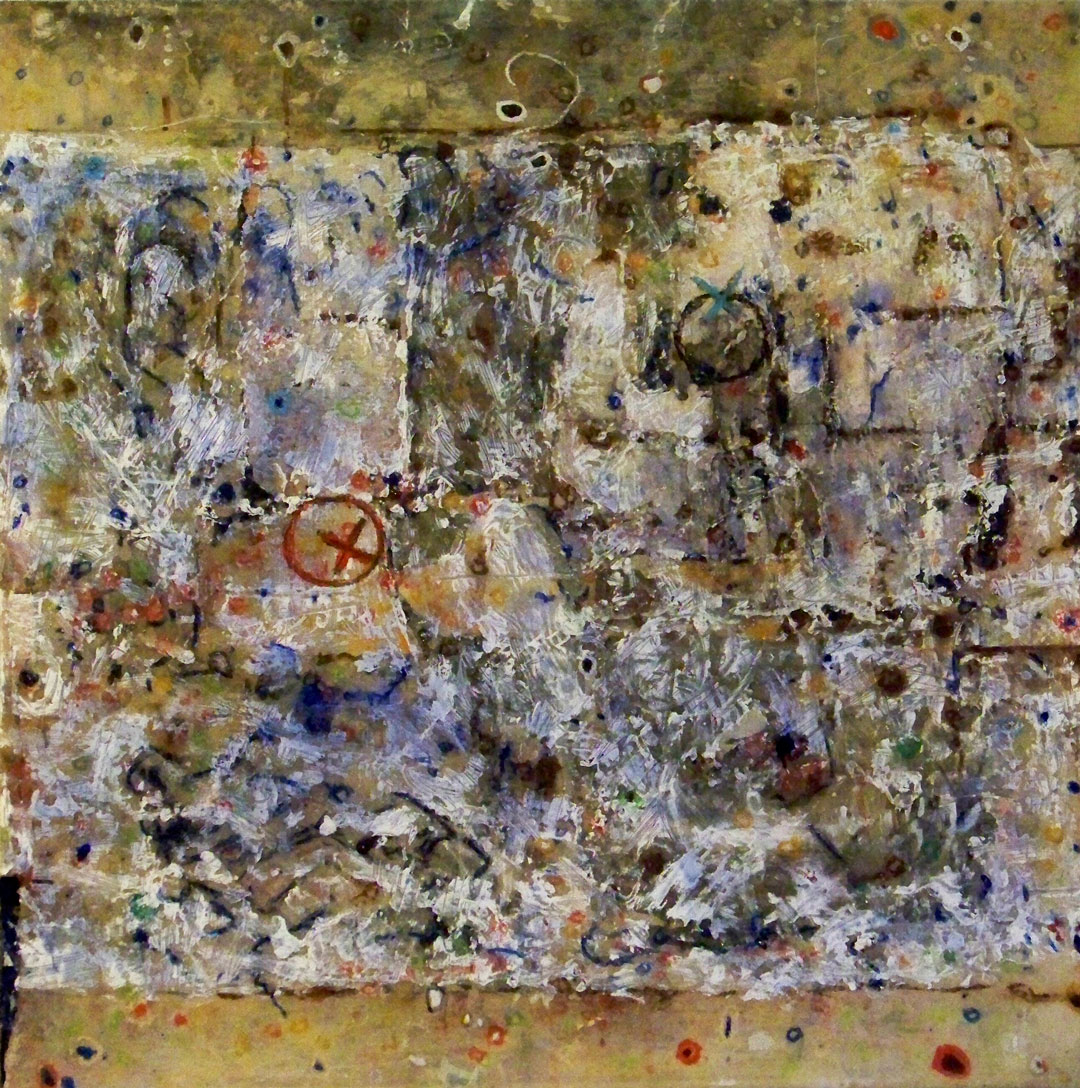
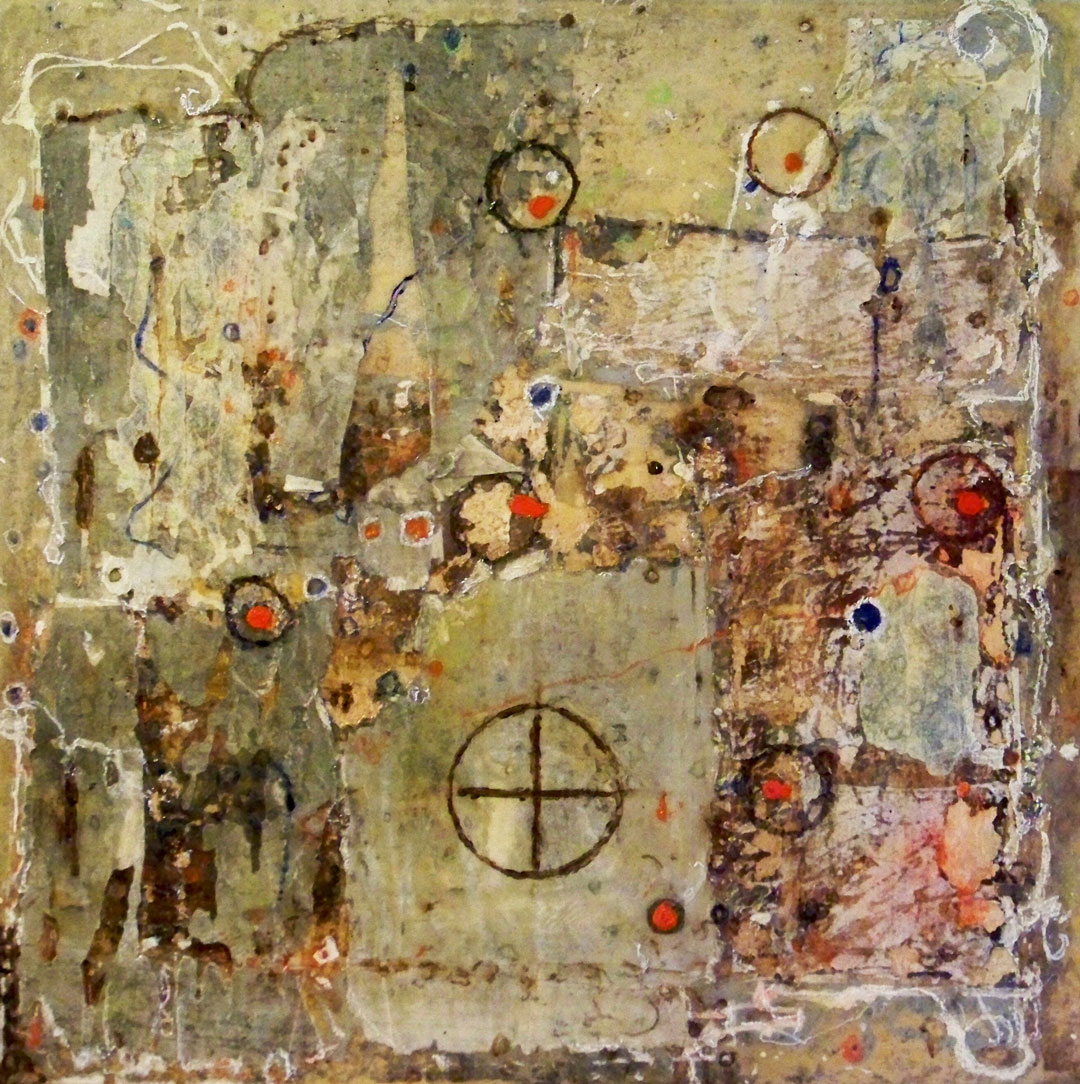
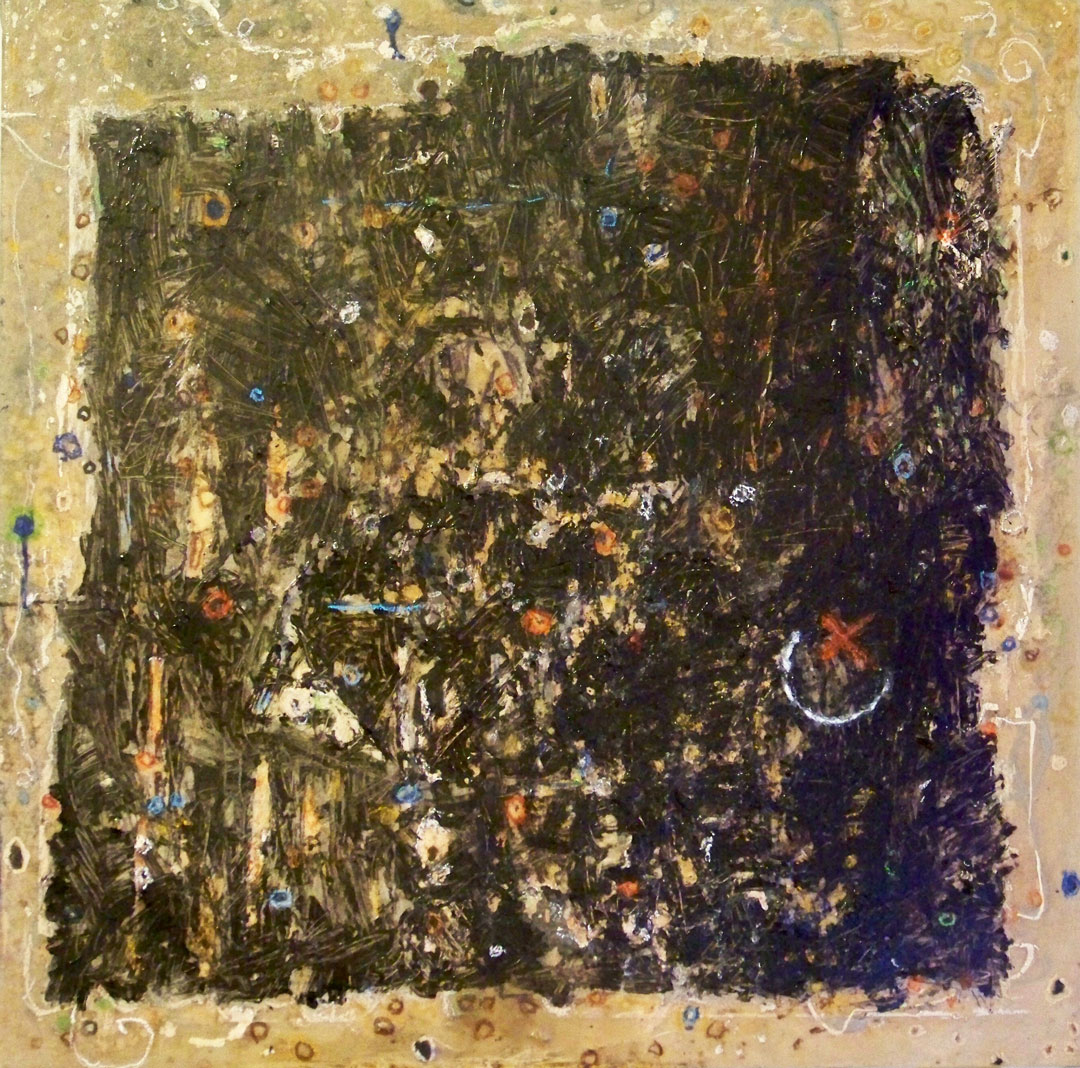
And after months upon months of working and reworking the surfaces, finally something has emerged that I can live with. Each piece has taken on a personality of its own. In each, the chaos of the first step, composed by the mechanics of structure, and then layers upon layers of my own palimpsestuous mark making on top of mark making. They have evolved into showing the structure of each painting. The raw canvas sometimes peers through mingled with the last stroke of spirit and passion. The struggle to compose the elements which is the materials, to render it immaterial with the imposition of content. Content with that which holds the flesh of paint coupled with the feeling of a skin that holds it all in. The process and thought is seeing materials in a new way, some more fluid than others, and others more rigid than some. Materials can give rise to the invisible.
Bariffe
October 5, 2013
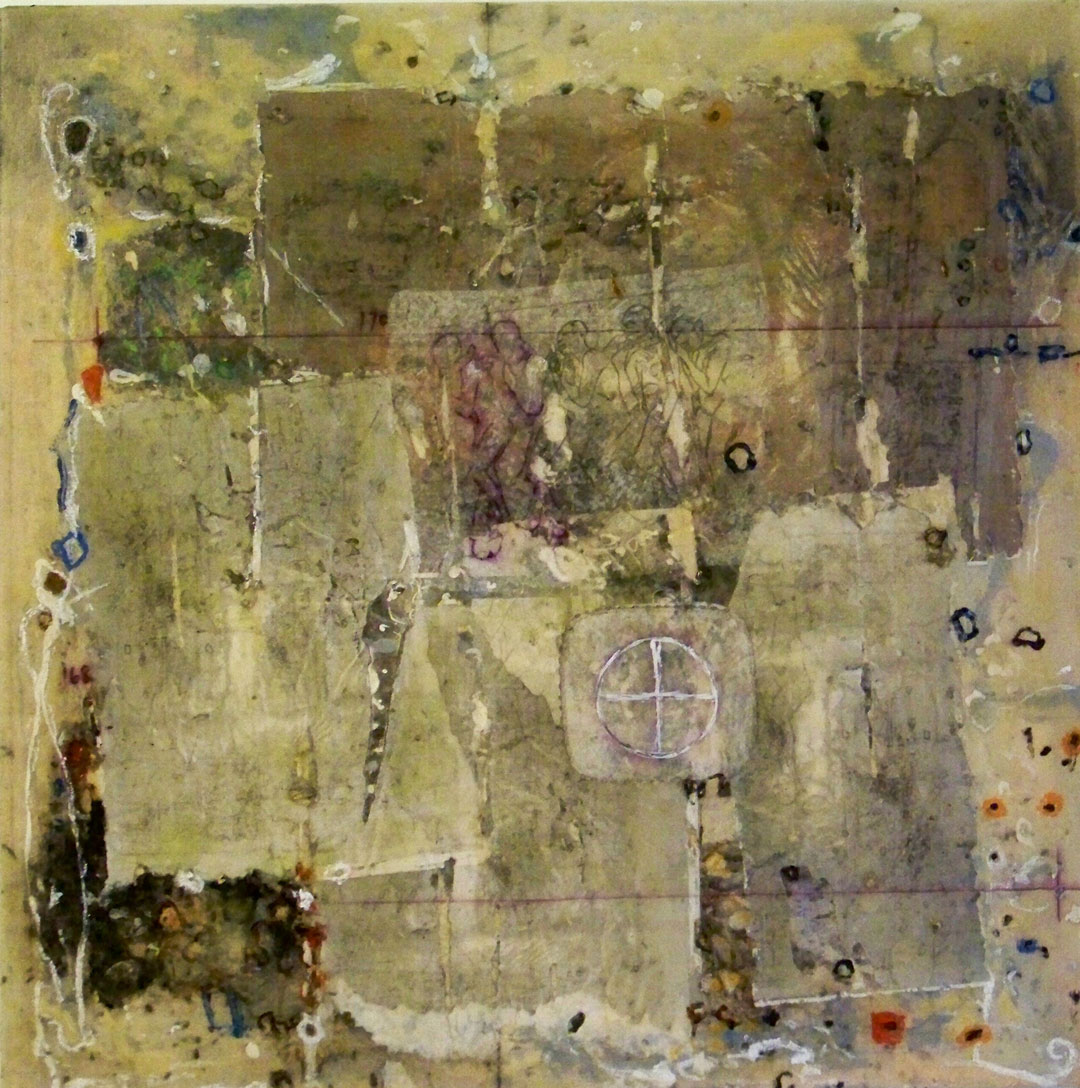
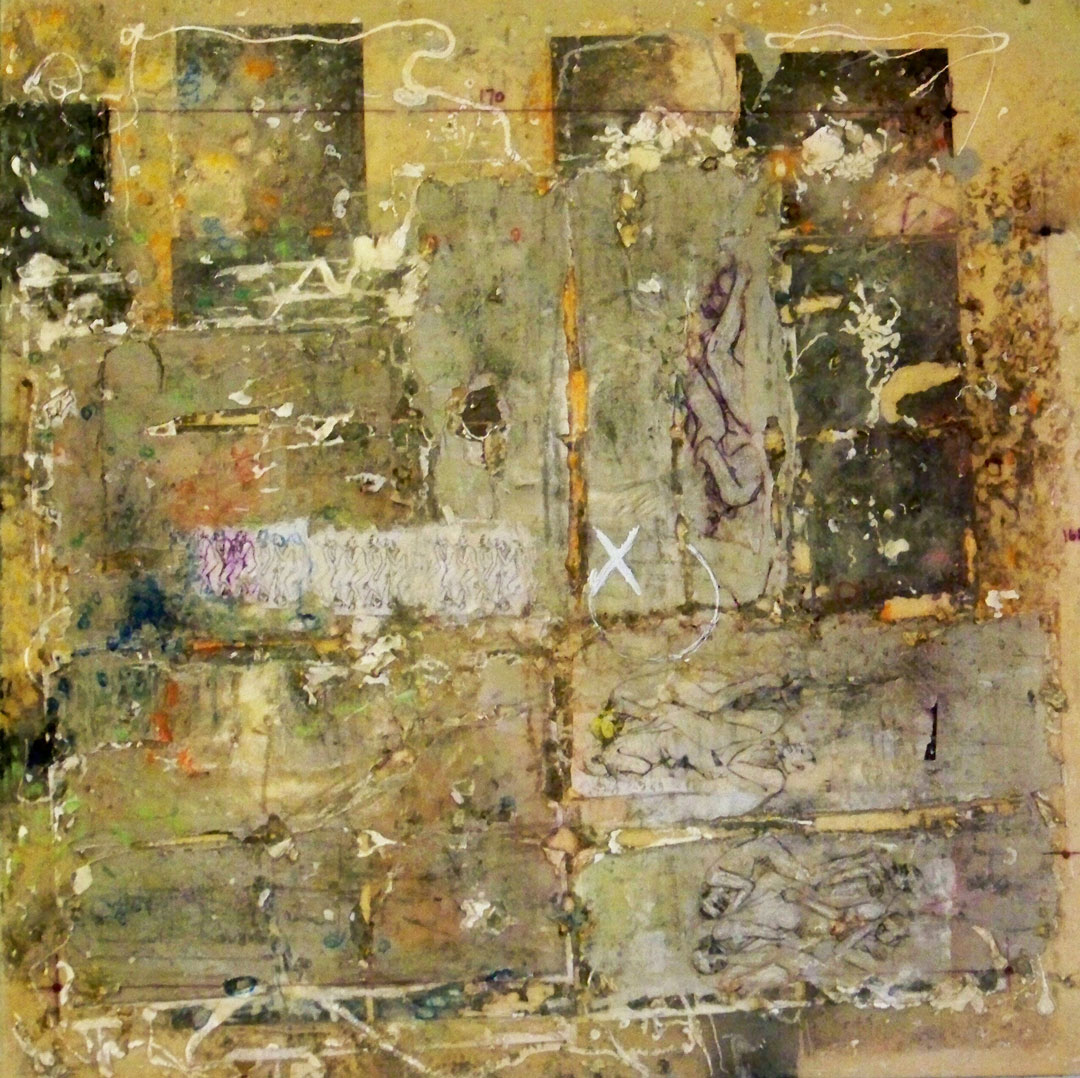
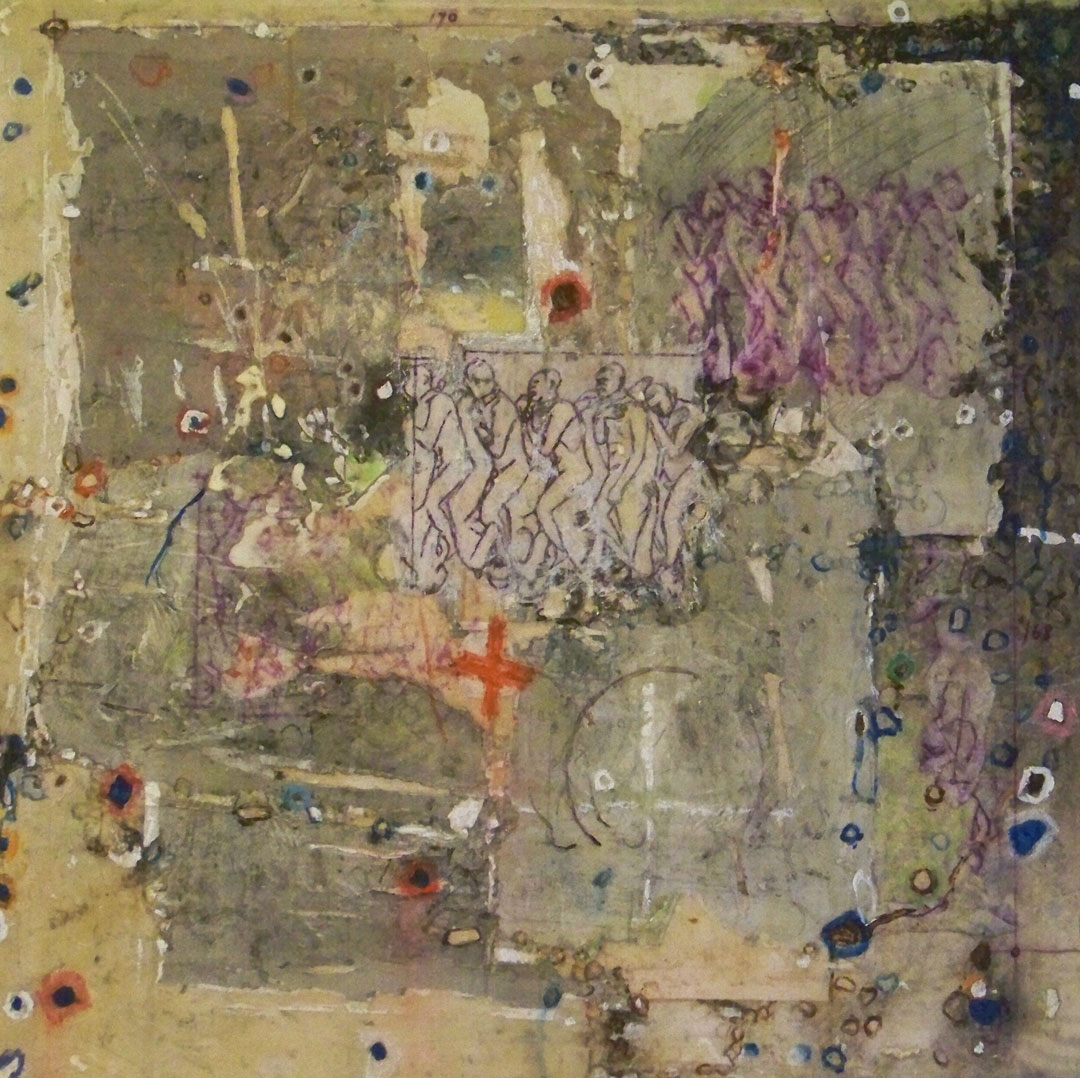
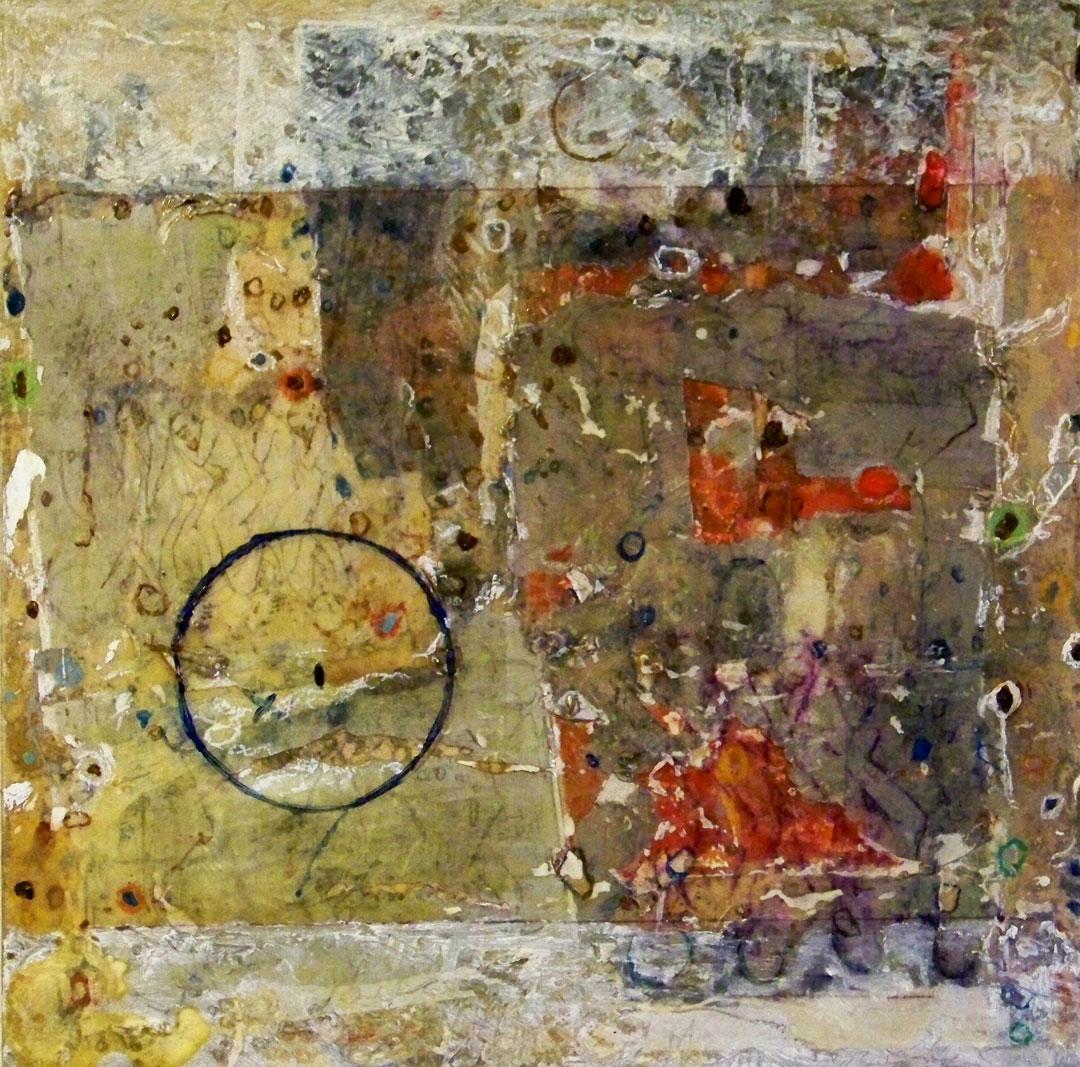
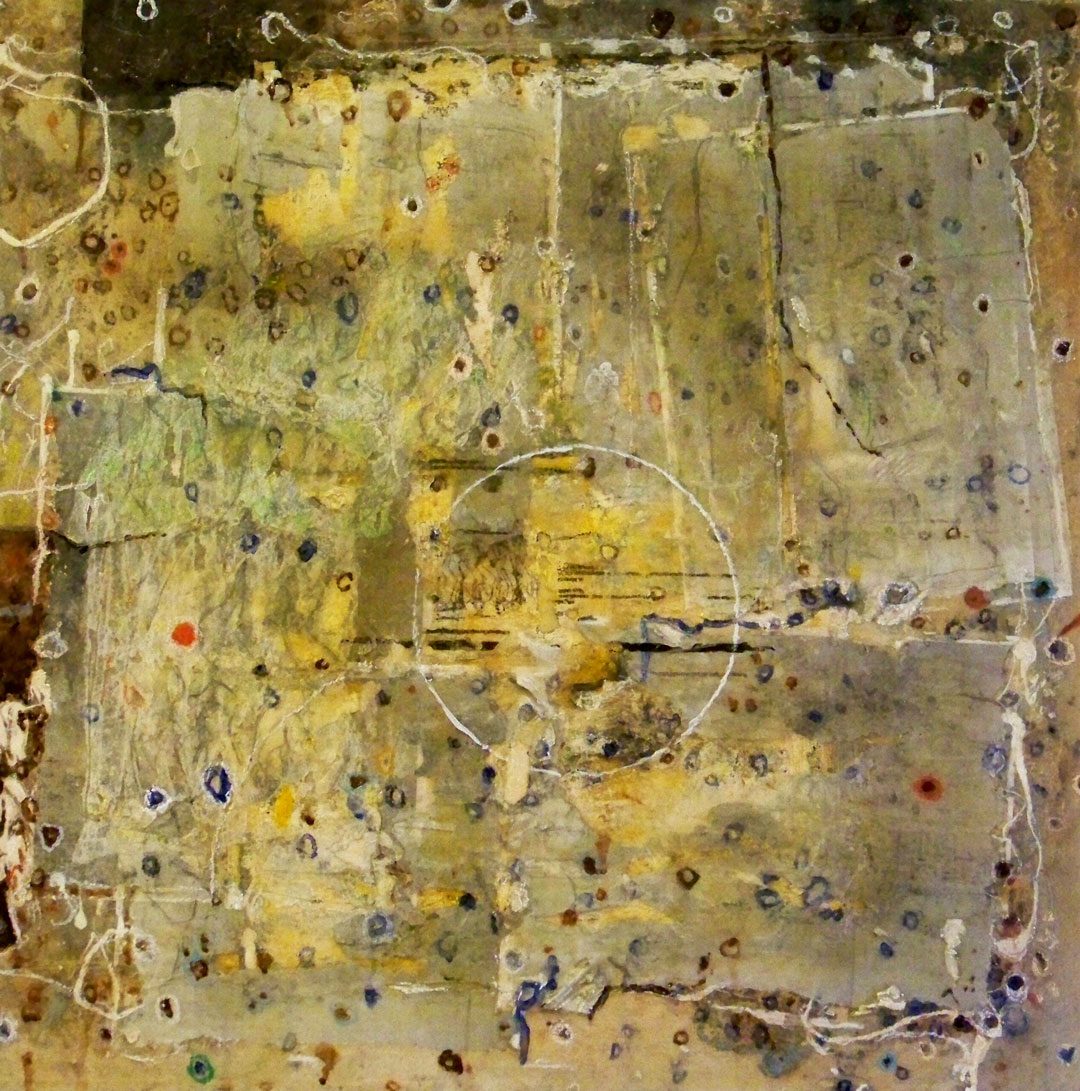
‘Autographs – figure studies’
Completed Works
Statement 3
“Figures as autographs”
Symbology
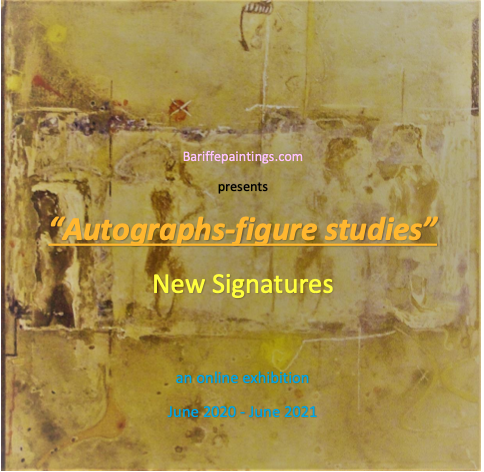
The energy lingered for seven years, and within, the idea labored long, and now as signatures have made their rebirth into the material existence. The paintings, the autographs, the invisible made visible for me to examine and ponder upon. Once again, as my guests, what do these dream images mean, and like the deja vu, have I not been here before and done this thing before. Each piece of work is a mark, a graph of the vibration within, a mental picture of the ethereal landscape in a specific space time, a conversation to be had with the self. The paintings are the figures, the autographs of the consciousness, the transformation and evolution of the attributes (souls) within.
June 9, 2020
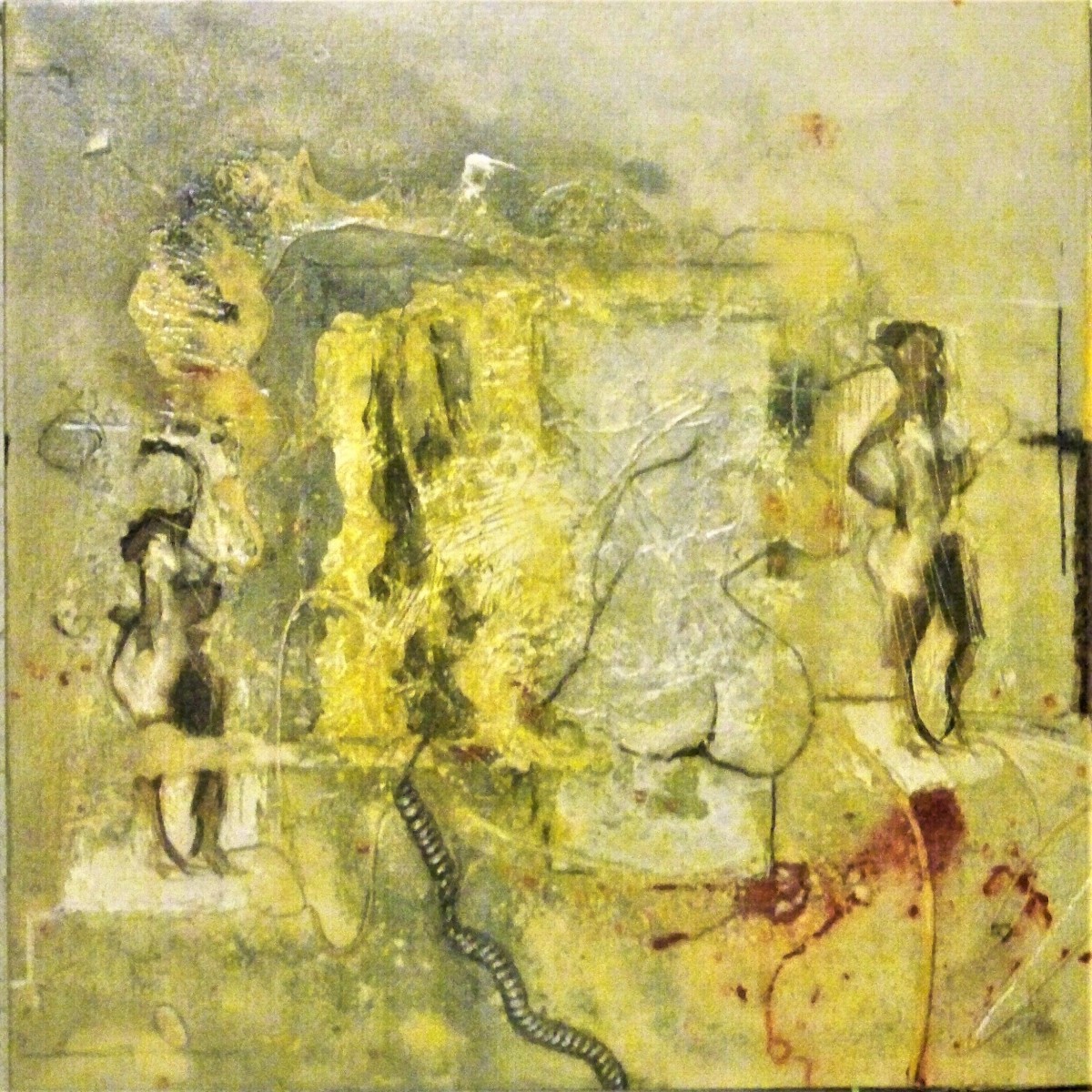
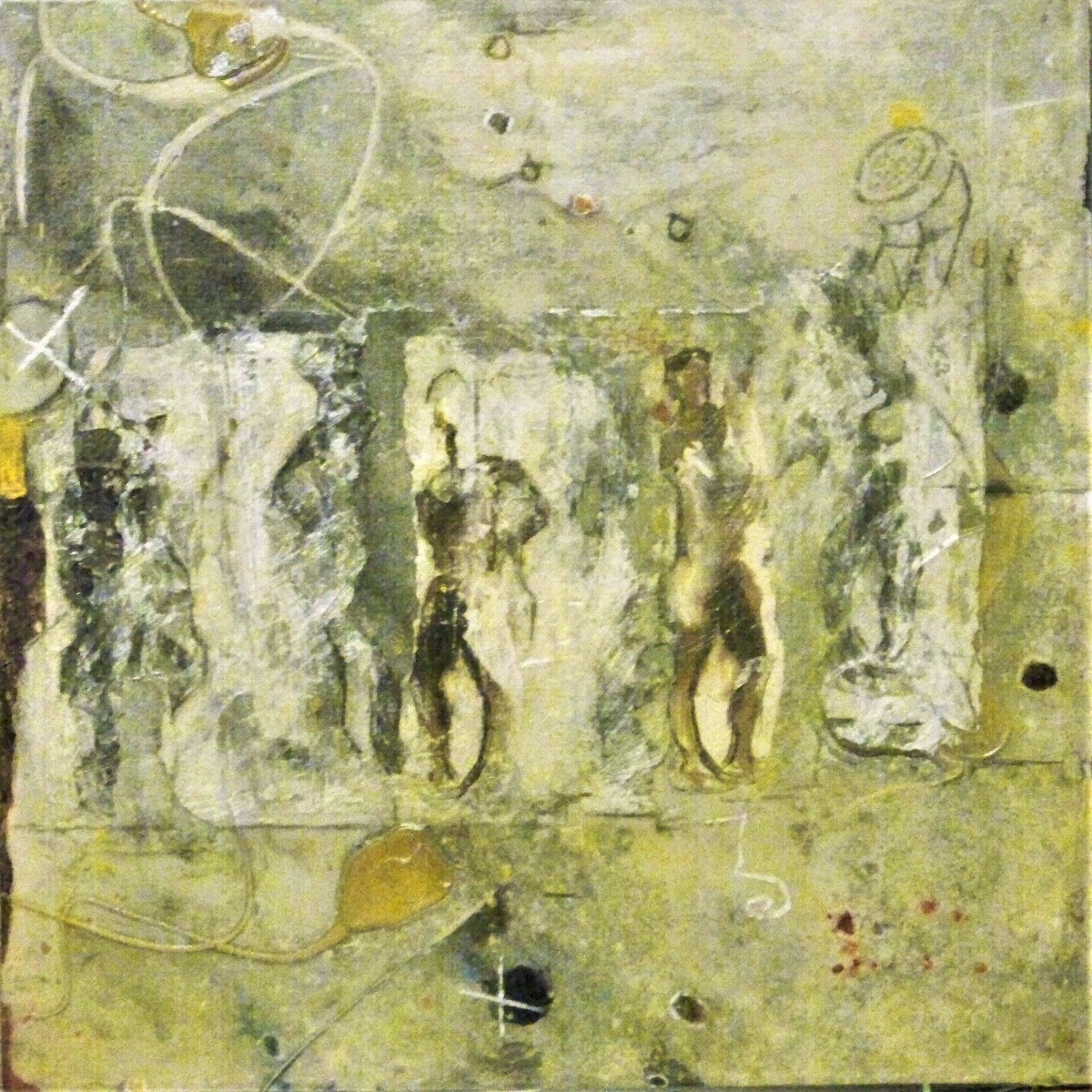
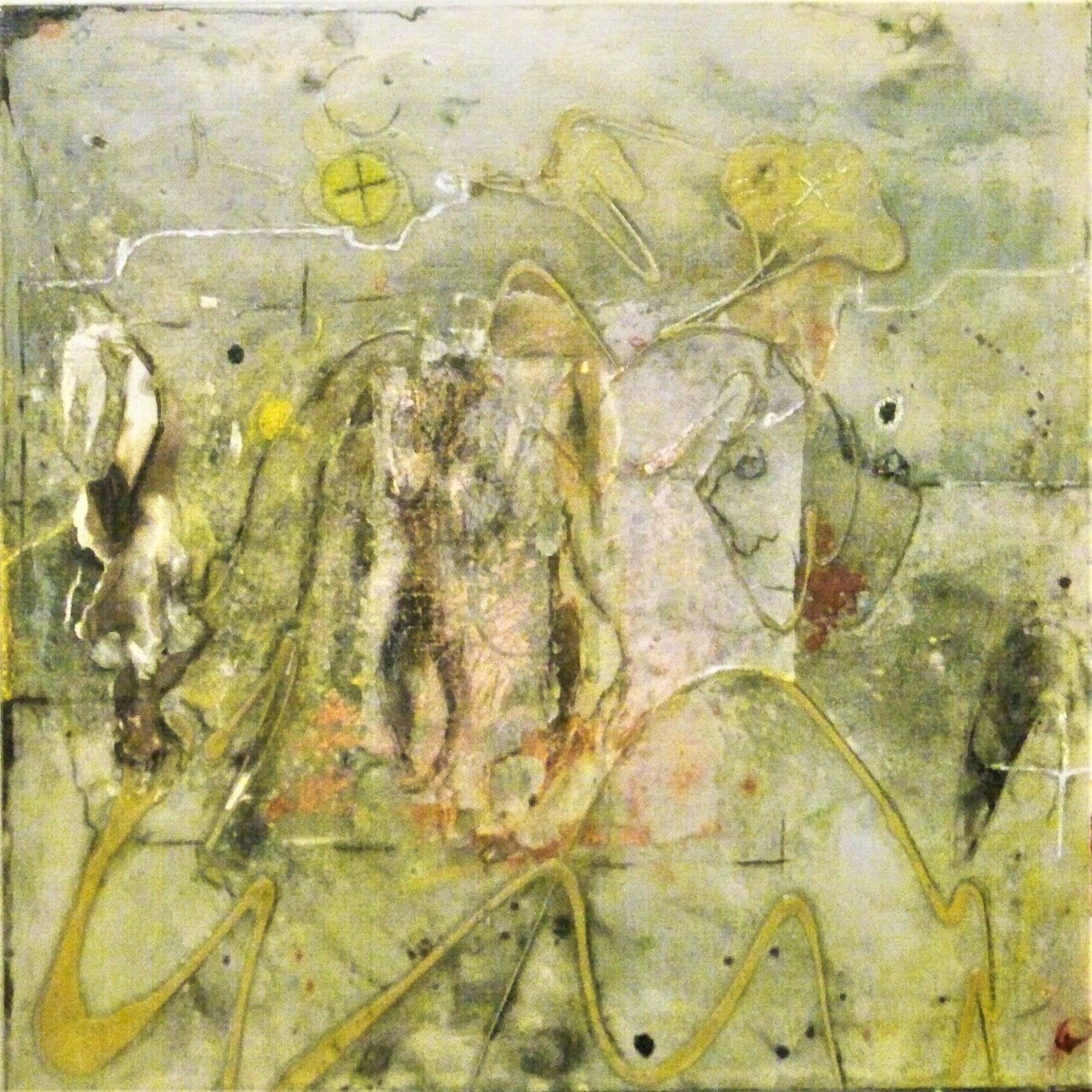
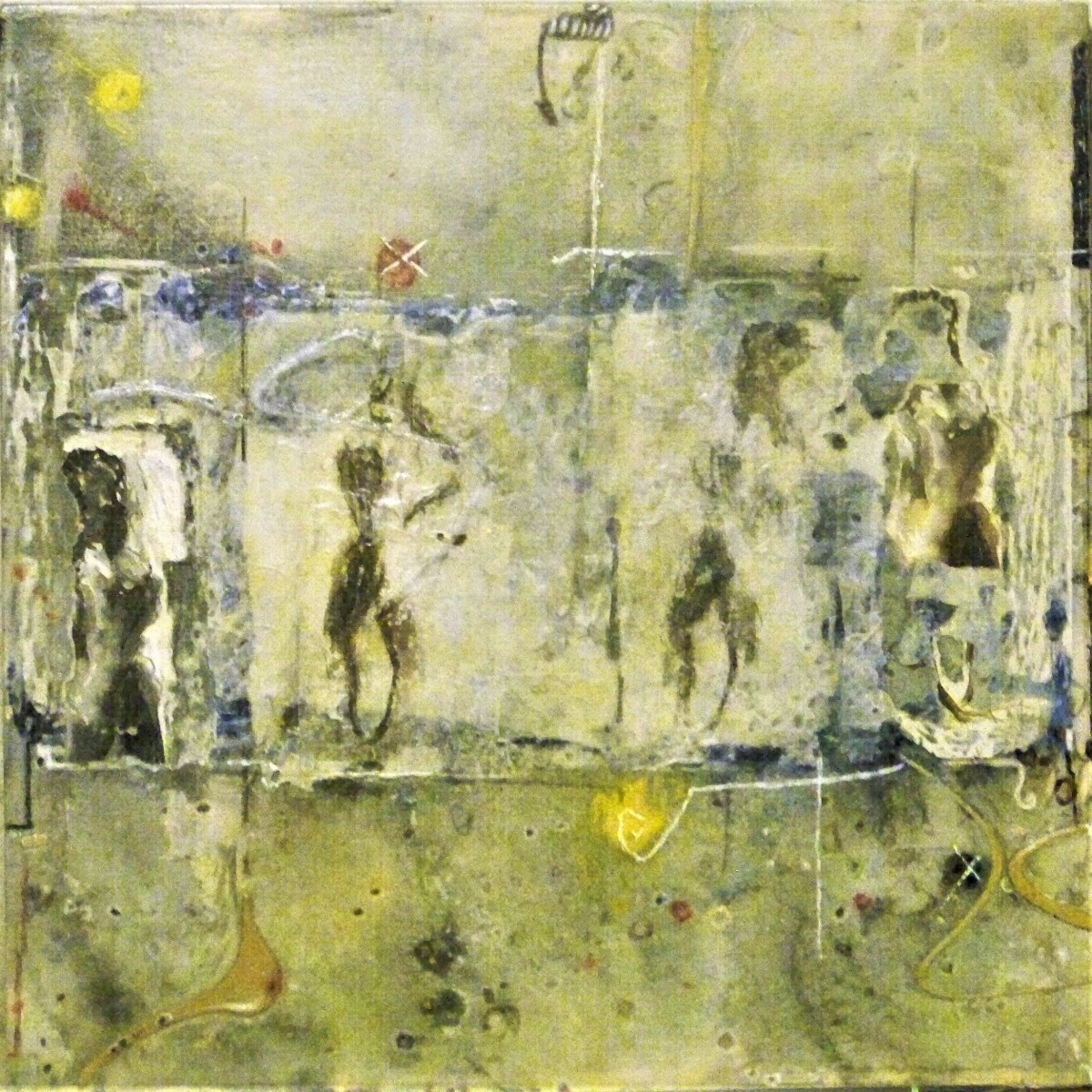
“In memory of Howard “Jagga Benz” Jhagroo”
Christ in the Age of Cars
“new feelings”
Finished pieces
Statement
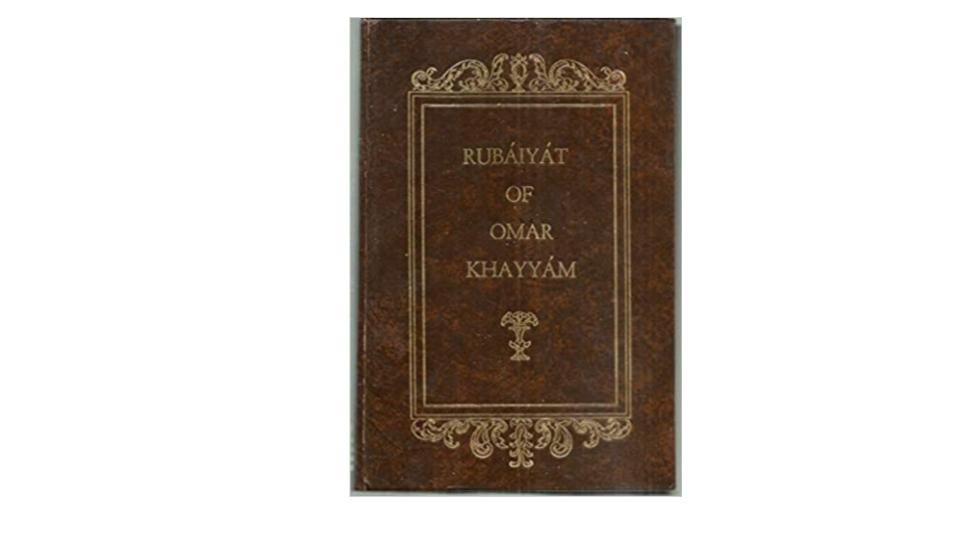
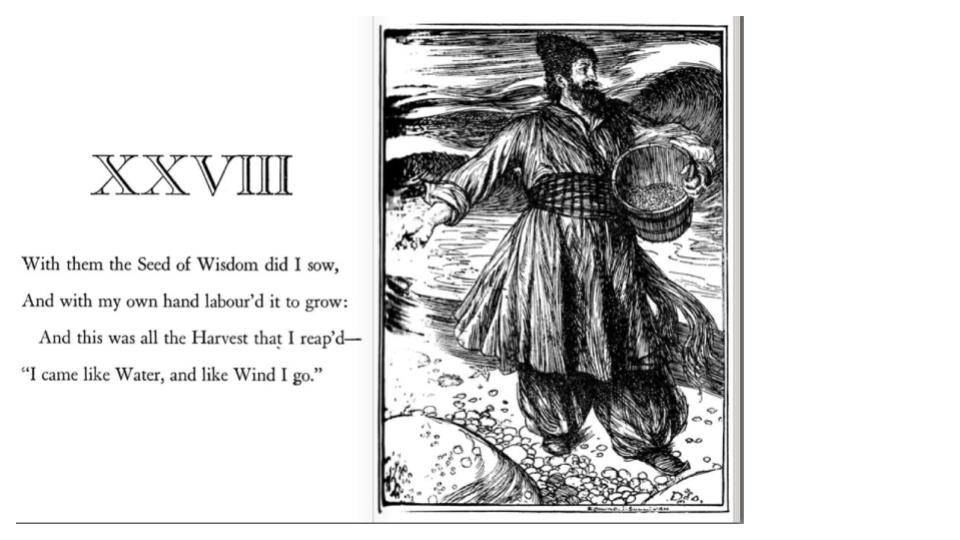
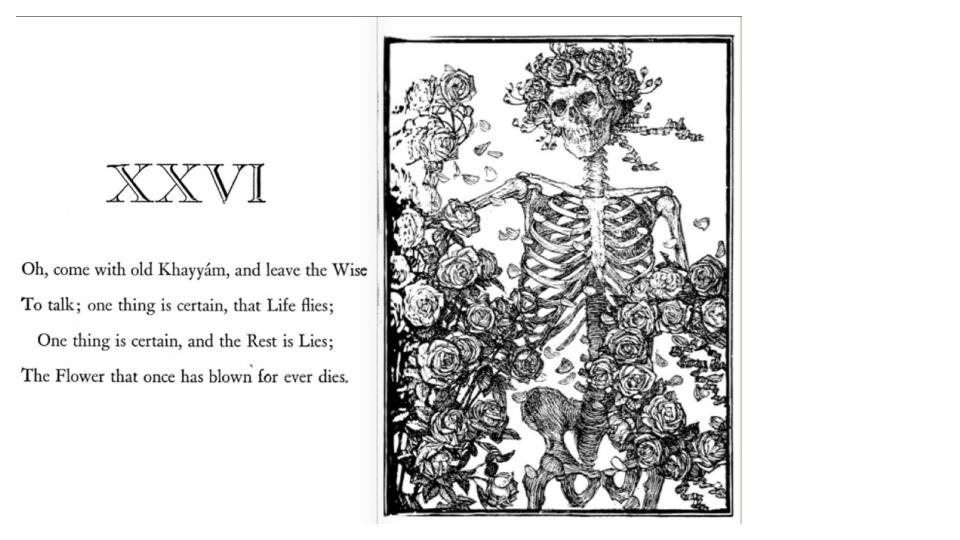
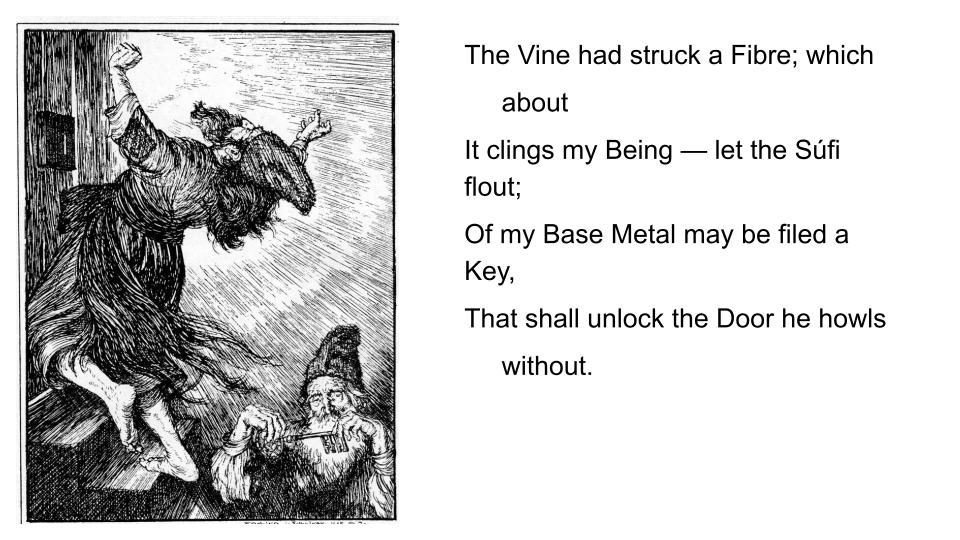
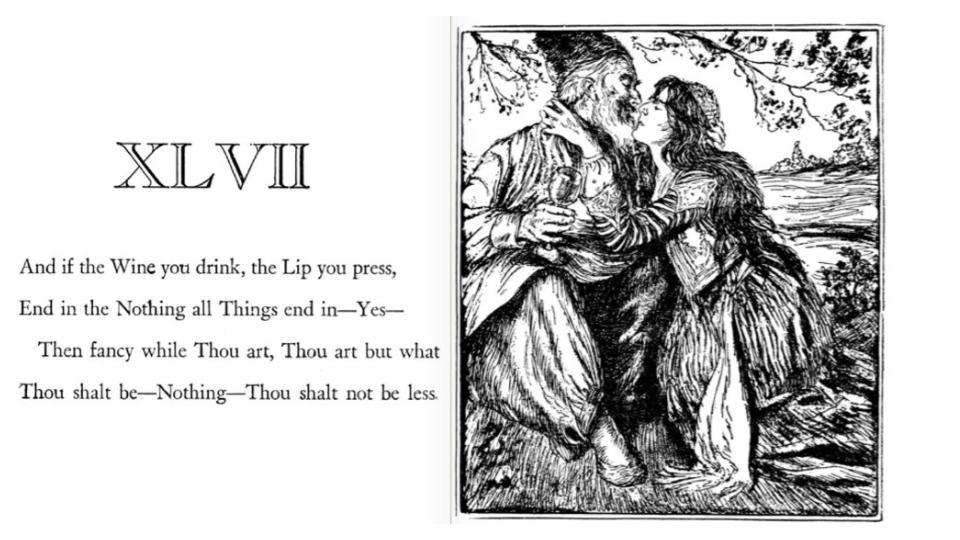
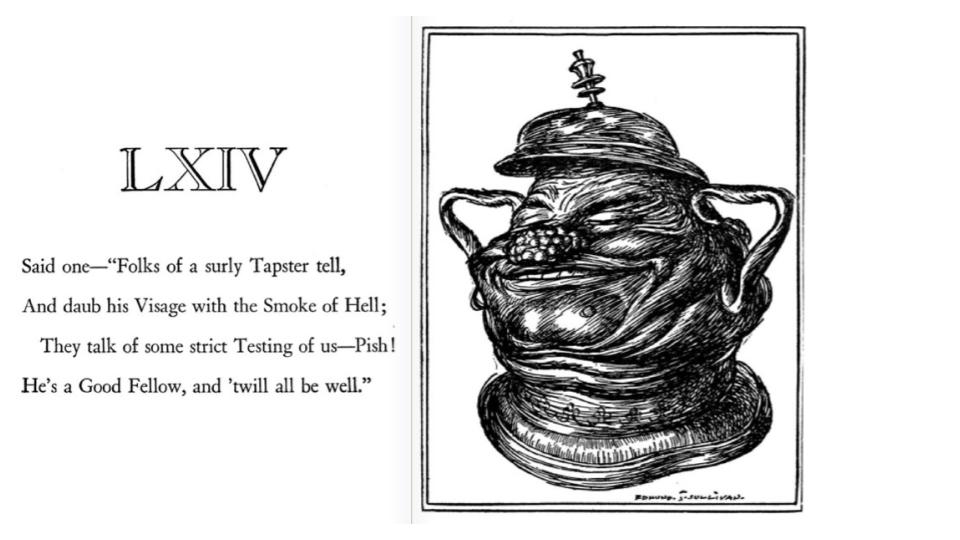
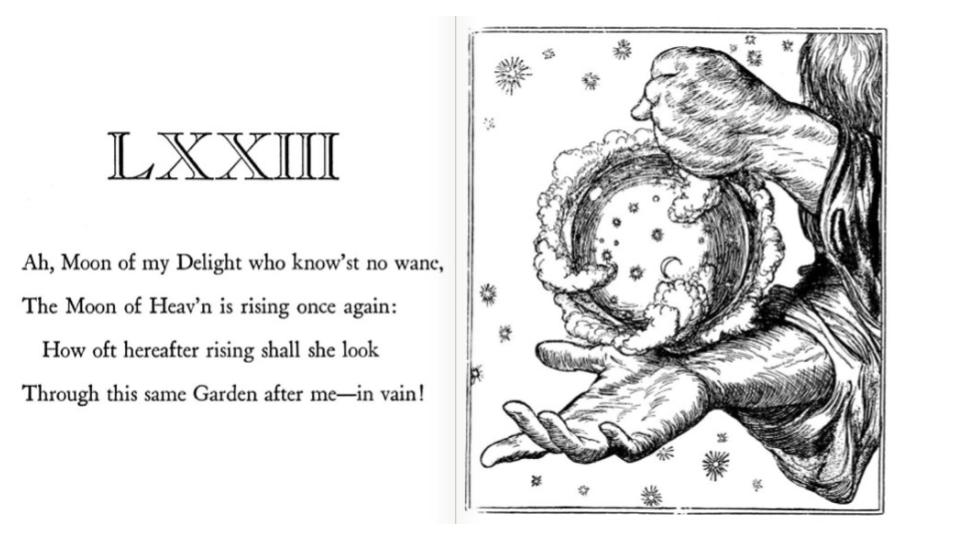
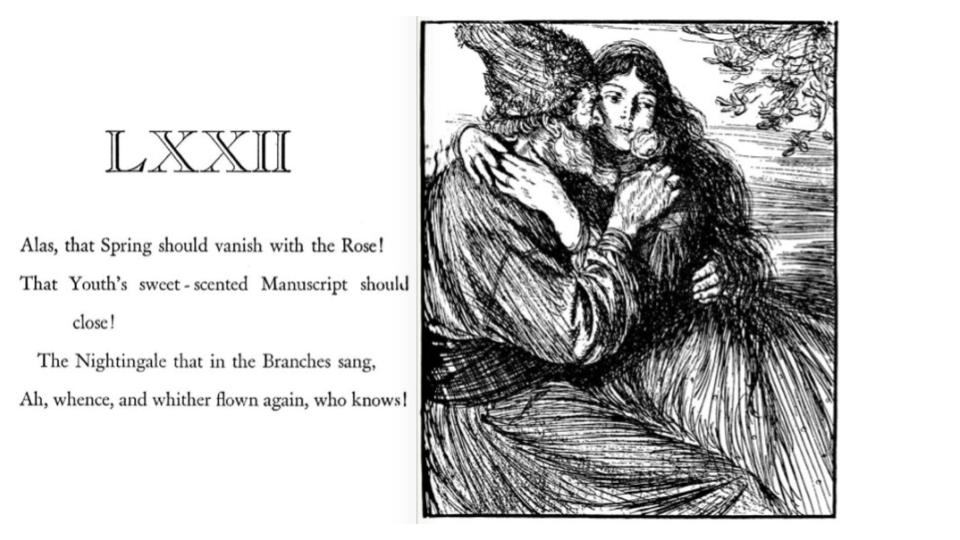
When I was very young I came across a book of poetry called the Rubaiyat of Omar Khayyam. when I read it I was fascinated by the imagery in it. I was fascinated by the pictures in their rendering and meaning as they alluded to death and rebirth. The line drawn and symbolic figures gave literal life to the words of the poetry. The illustrations were like prescriptions for living. One such prescribing would be the question of, ‘who makes the life, the potter or the clay’?
The use of merely lines to conjure up dreamlike feelings was haunting at the time and now years later the words alongside the images are even more potent. Like clay as we all are we strive for altruistic deportment of the selves but in our human fallible qualities fall short in soul searching repentance and escape. The poem does the best task of pointing to the play, the cast, crew and producers, we all given a role to play and to play it out in conclusion or be doomed to repeat the scene again.
Excerpt from the Rubaiyat of Omar Khayyam, published by Avenel Books, 1970, illustrations by Edmund J. Sullivan.
May 21, 2021
“The Marriage of Insight: Knowledge, Wisdom, Understanding”
“New Planes”
Statement:
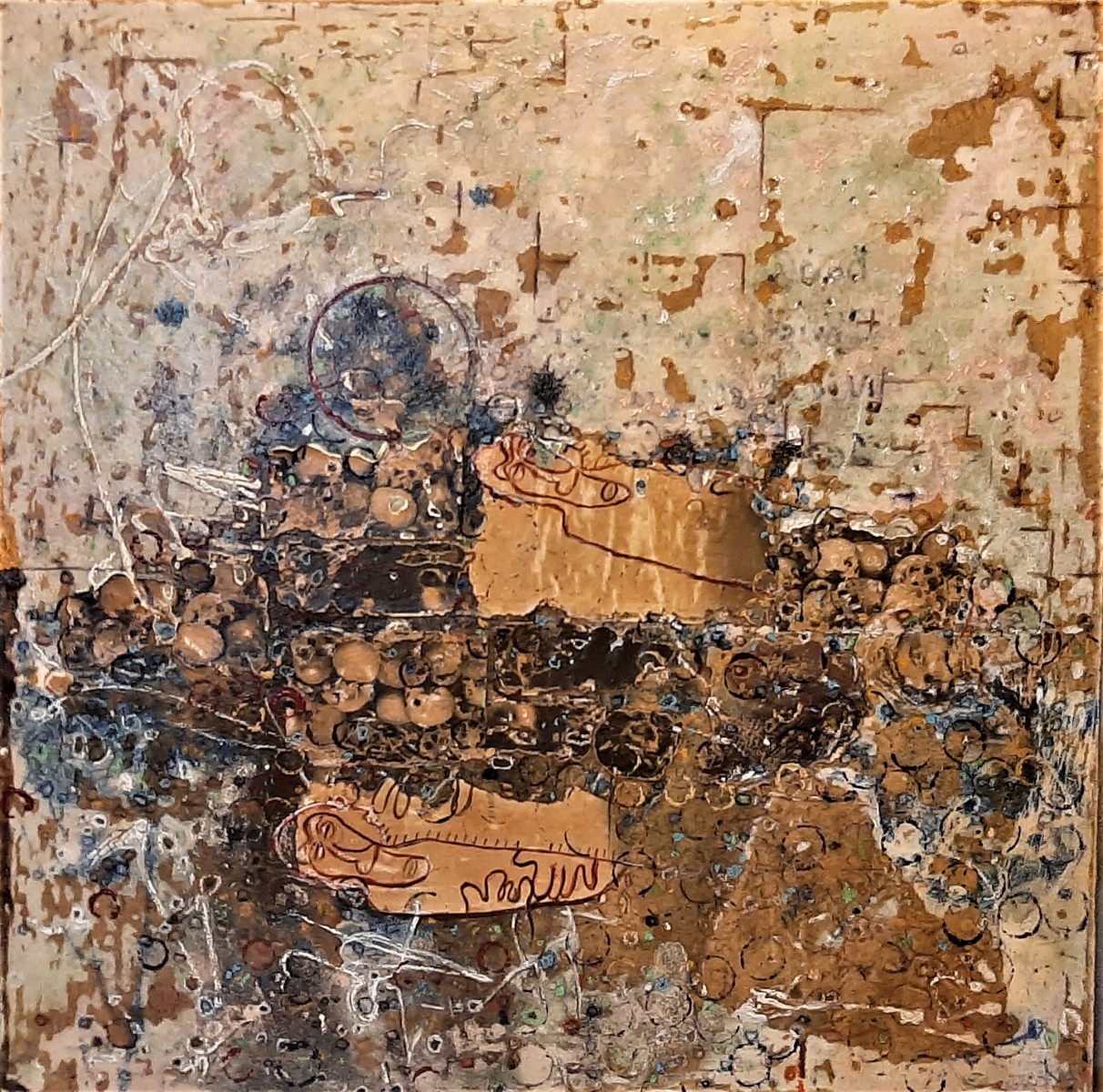
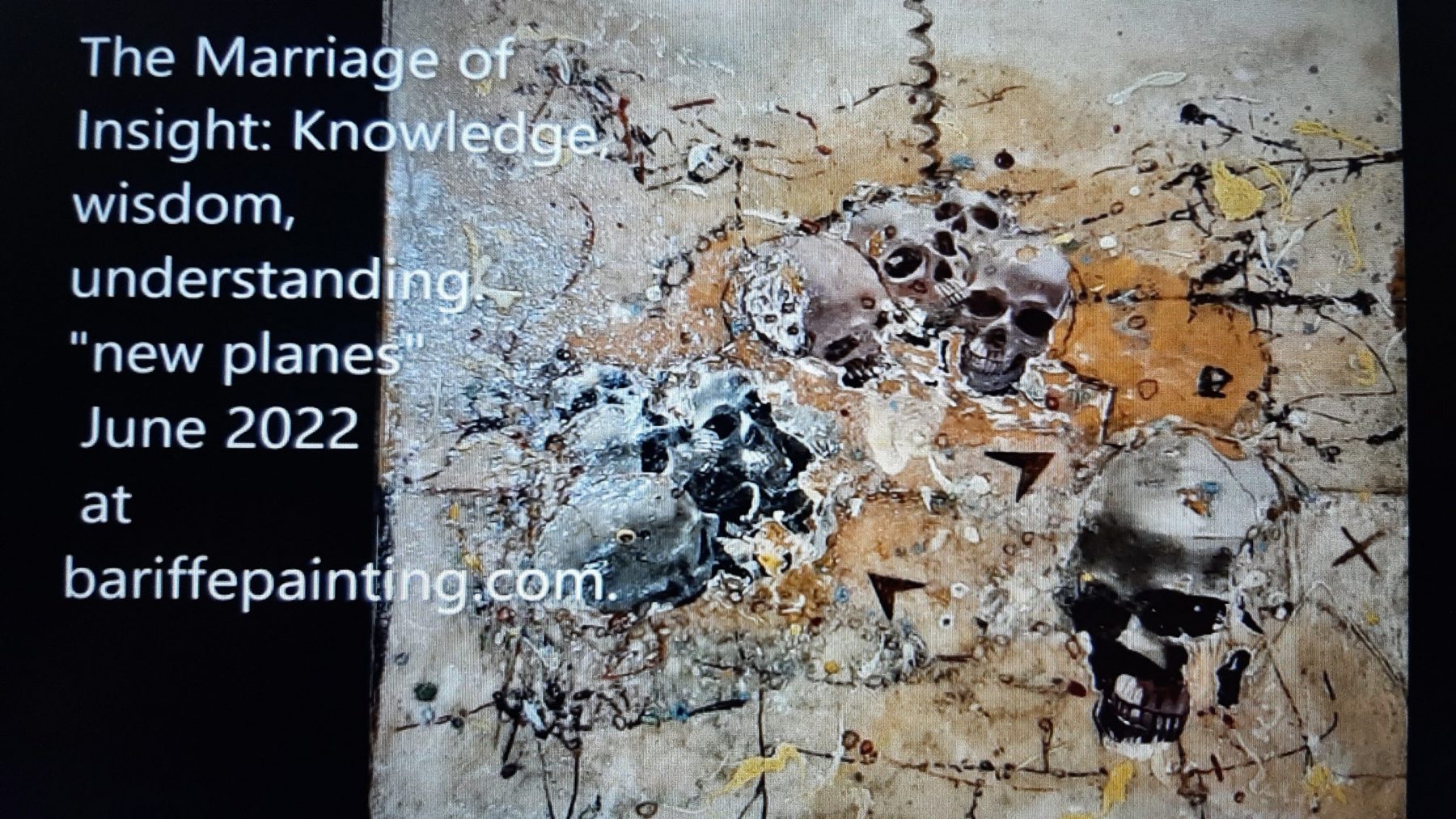
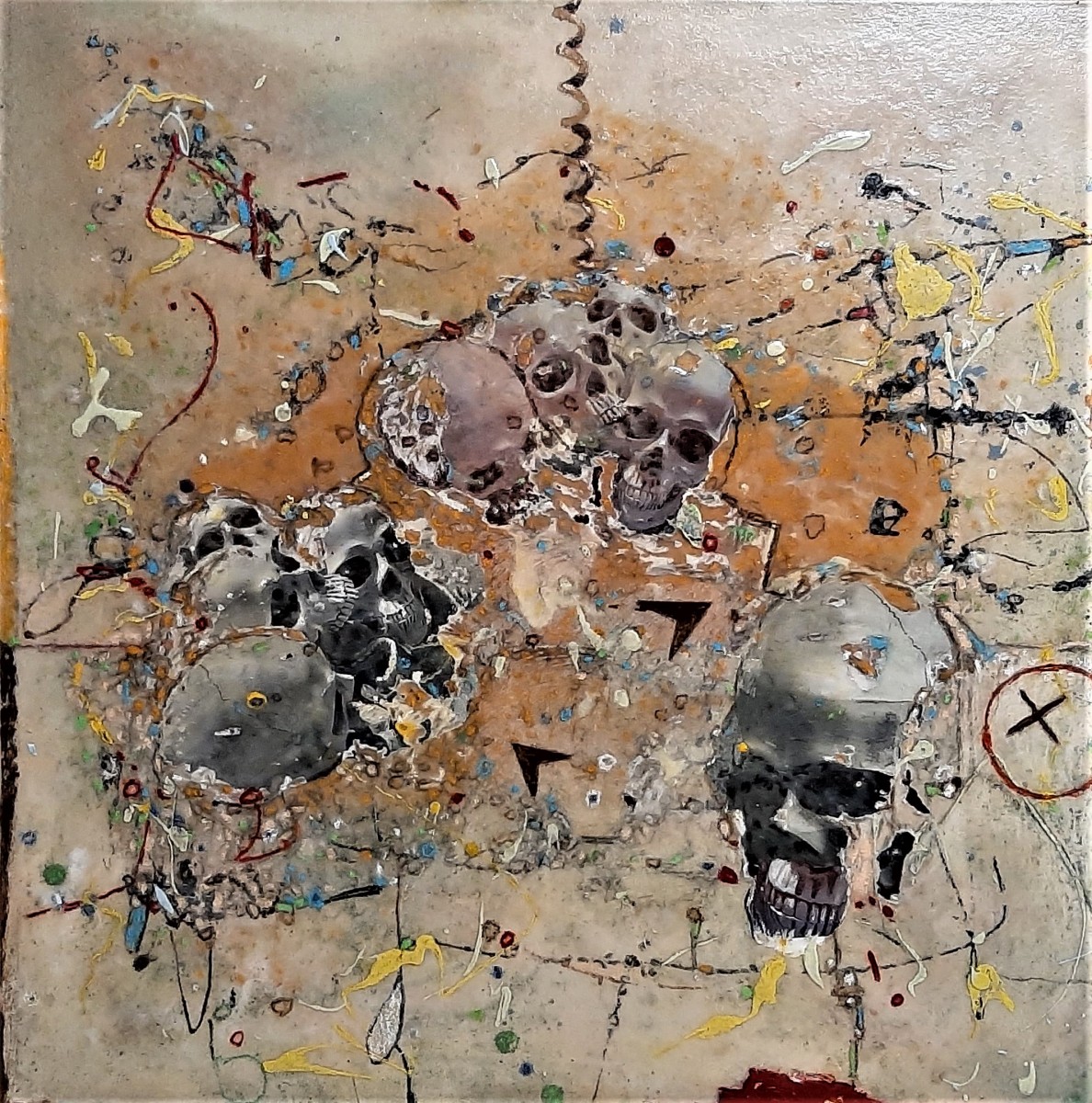
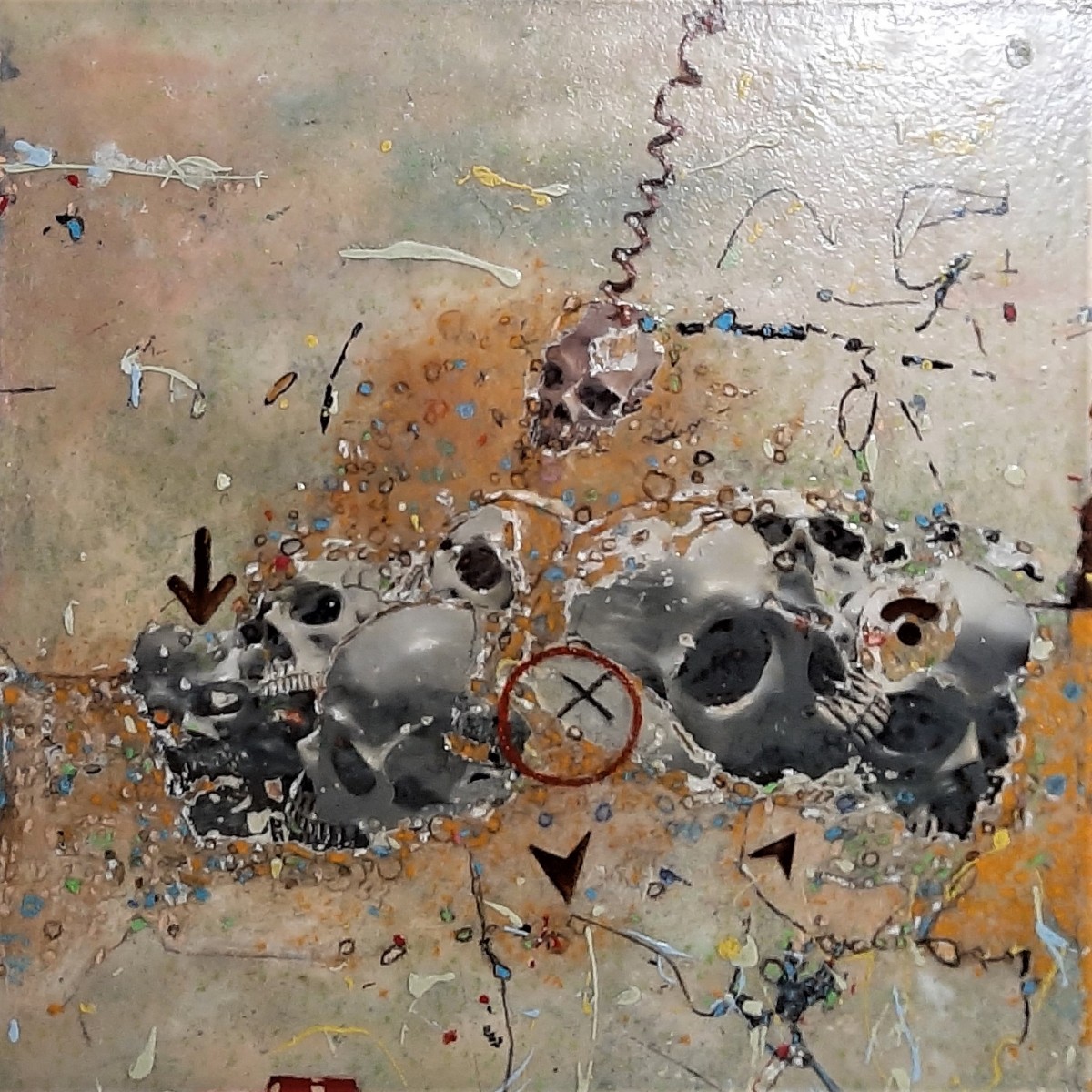
The Marriage of Insight are the newest body of works, images, paintings or preferably “planes of existence”, which seek to allude to the passage of time or changes. and in such passing of time the exploration of inspiration and expectations. The new images demonstrate an exhaustion of the materials and their handling.
Previous paintings or feelings centered on the overindulgence and the excessive use in amounts of non-traditional materials. Surface were at times burned with caustic devotion until they mimicked the effects of ethereal dimensions. Their uses have run their coarse and this group of 12, traditional materials are layered and overlayered and force an invisible juxtaposition of the new and old to coexist as disjointed and yet seamless presence and feelings.
In this newest series the motif of collage is exaggerated and reworked over and over again to be the focus but rendered painterly as the expression and impression of feelings and insight.
Bariffe May 22, 2022
“The Trees”
“New Works”
Statement:
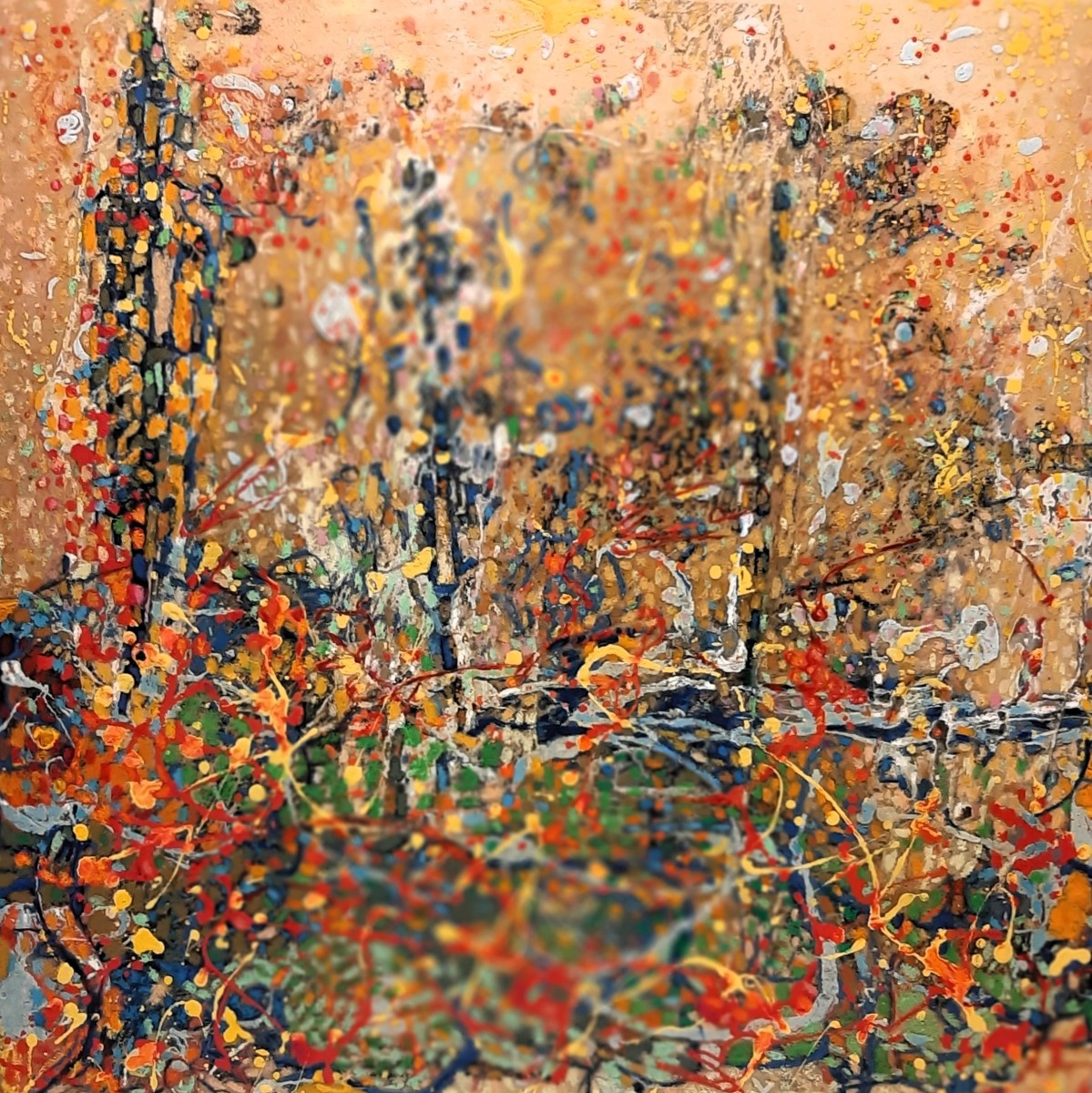
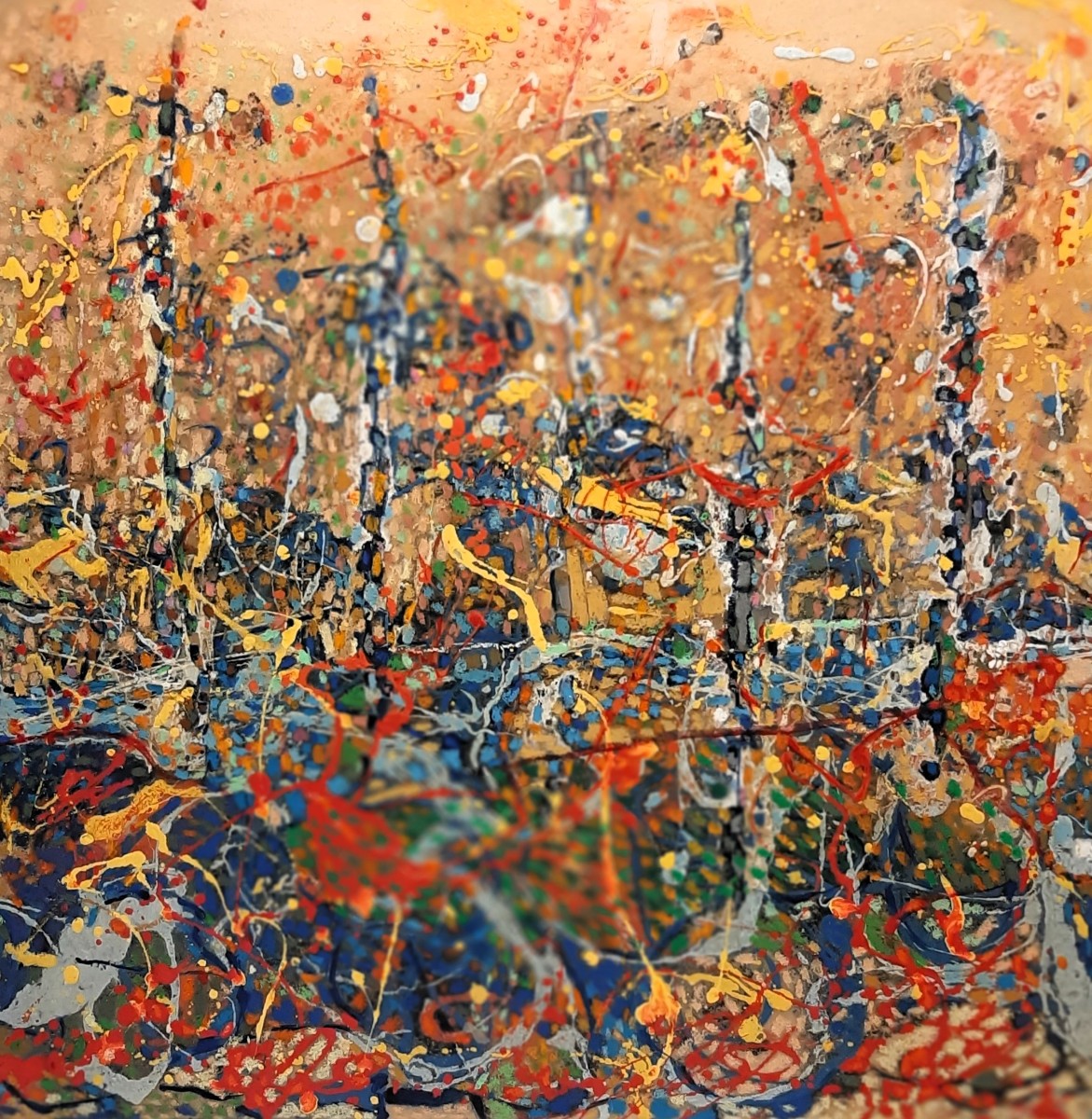
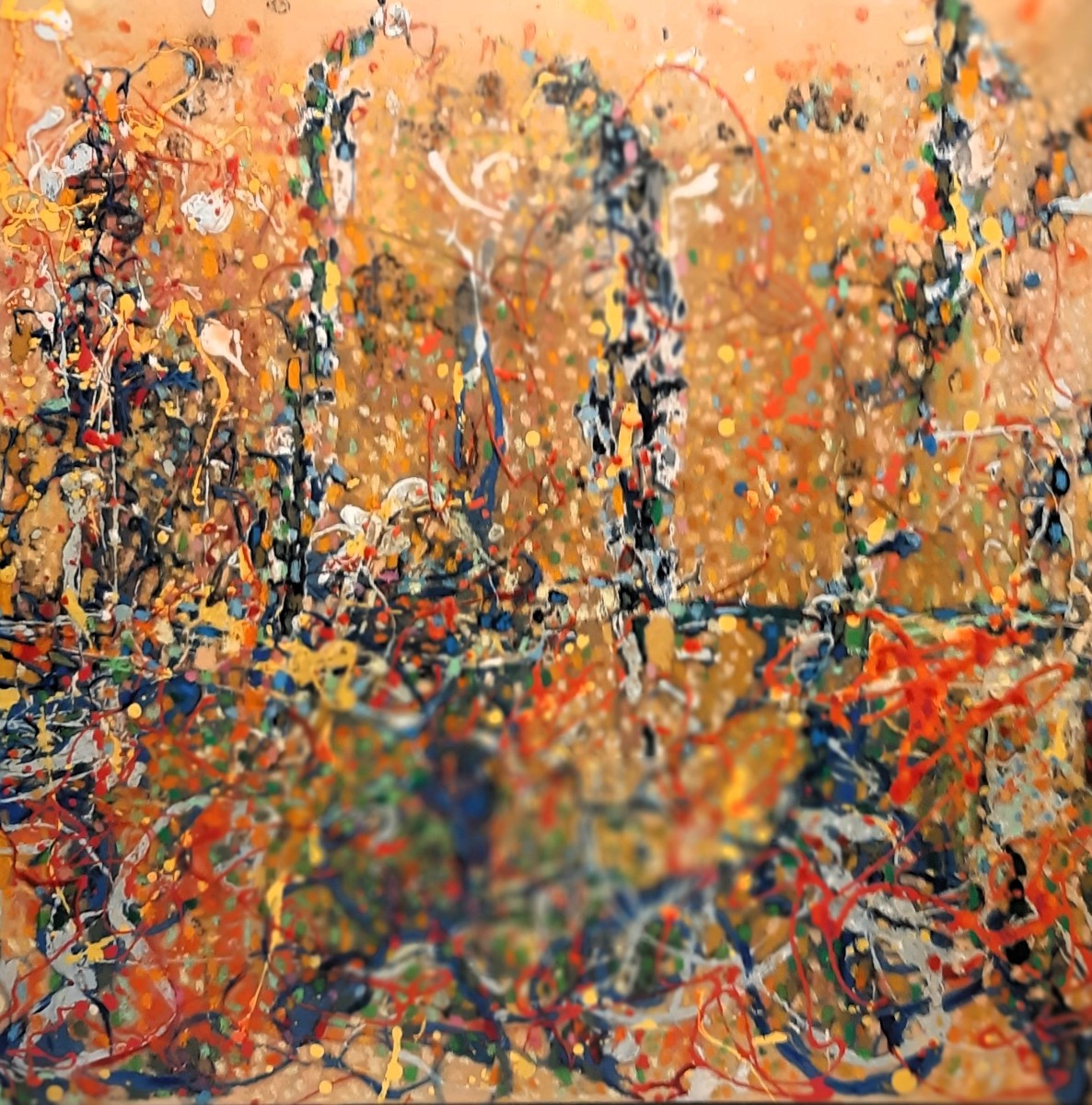
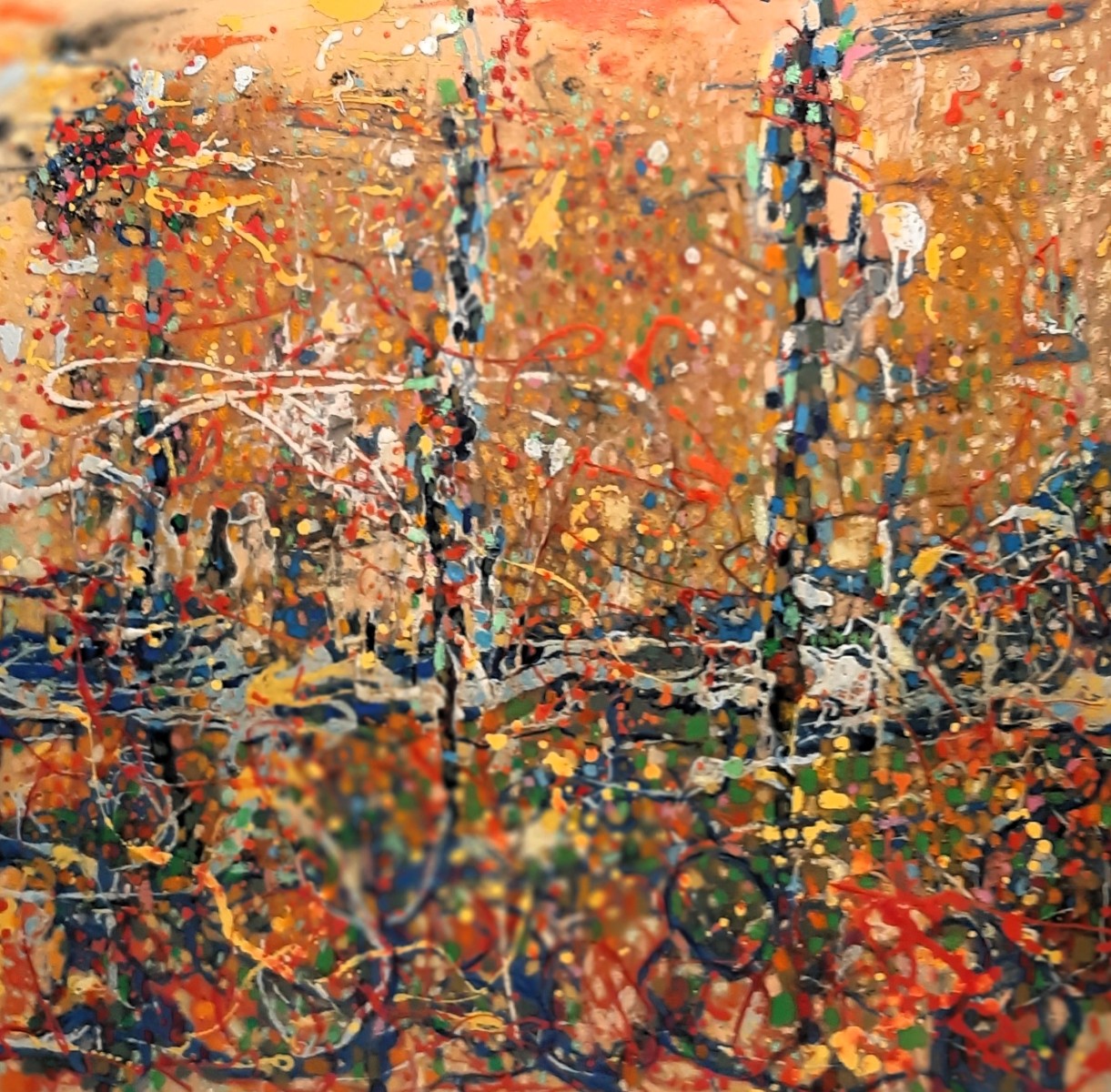
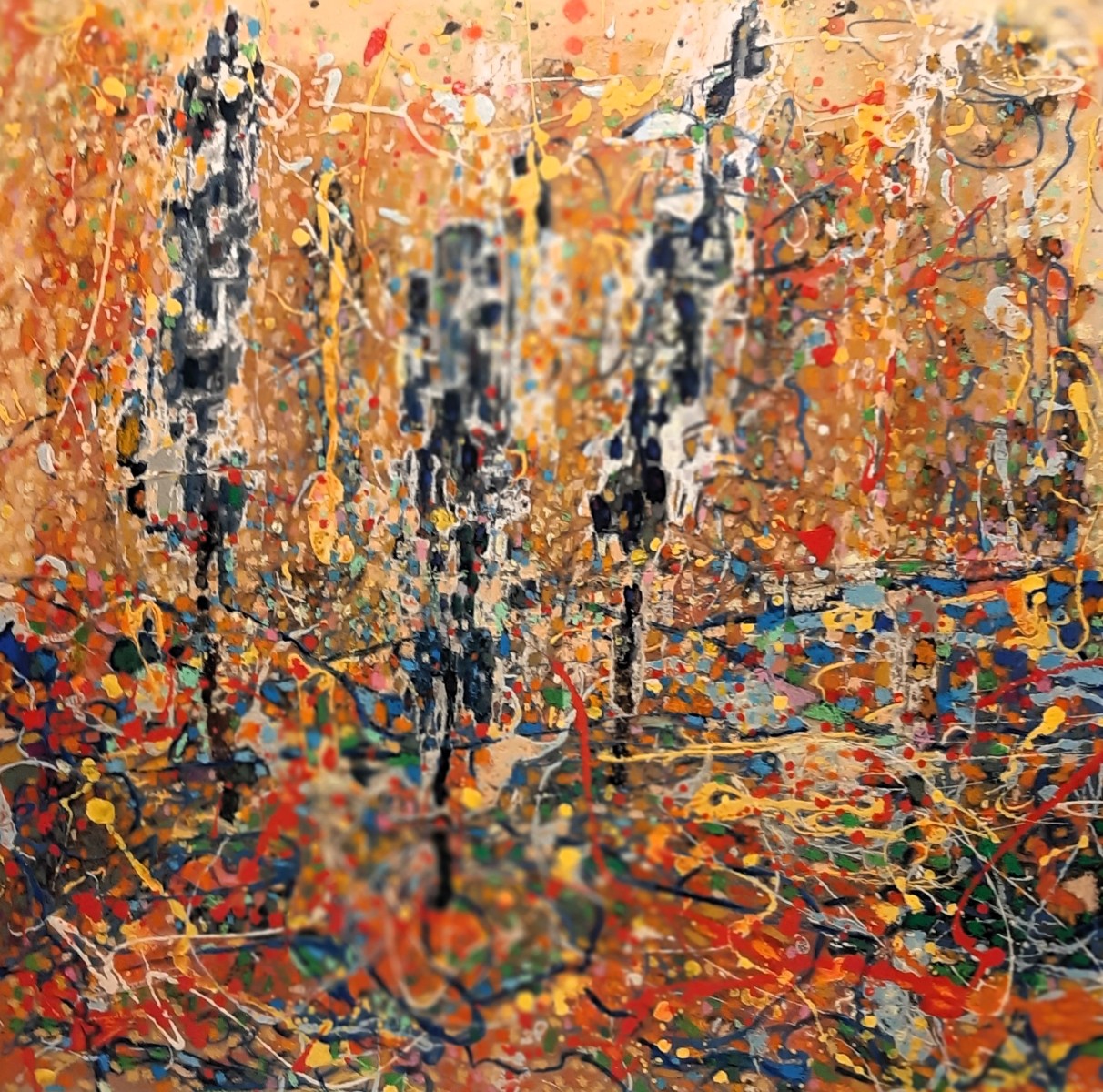
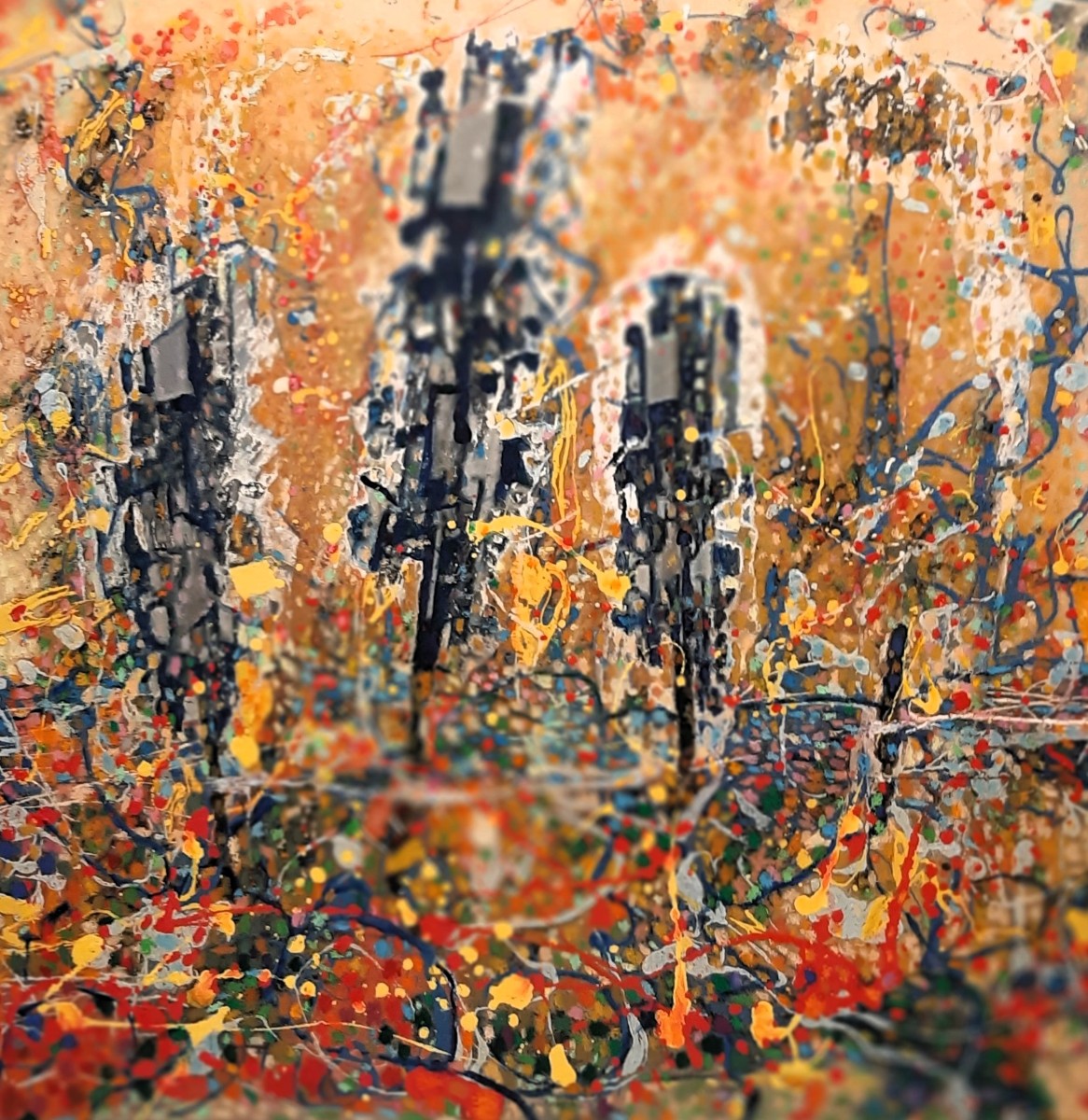
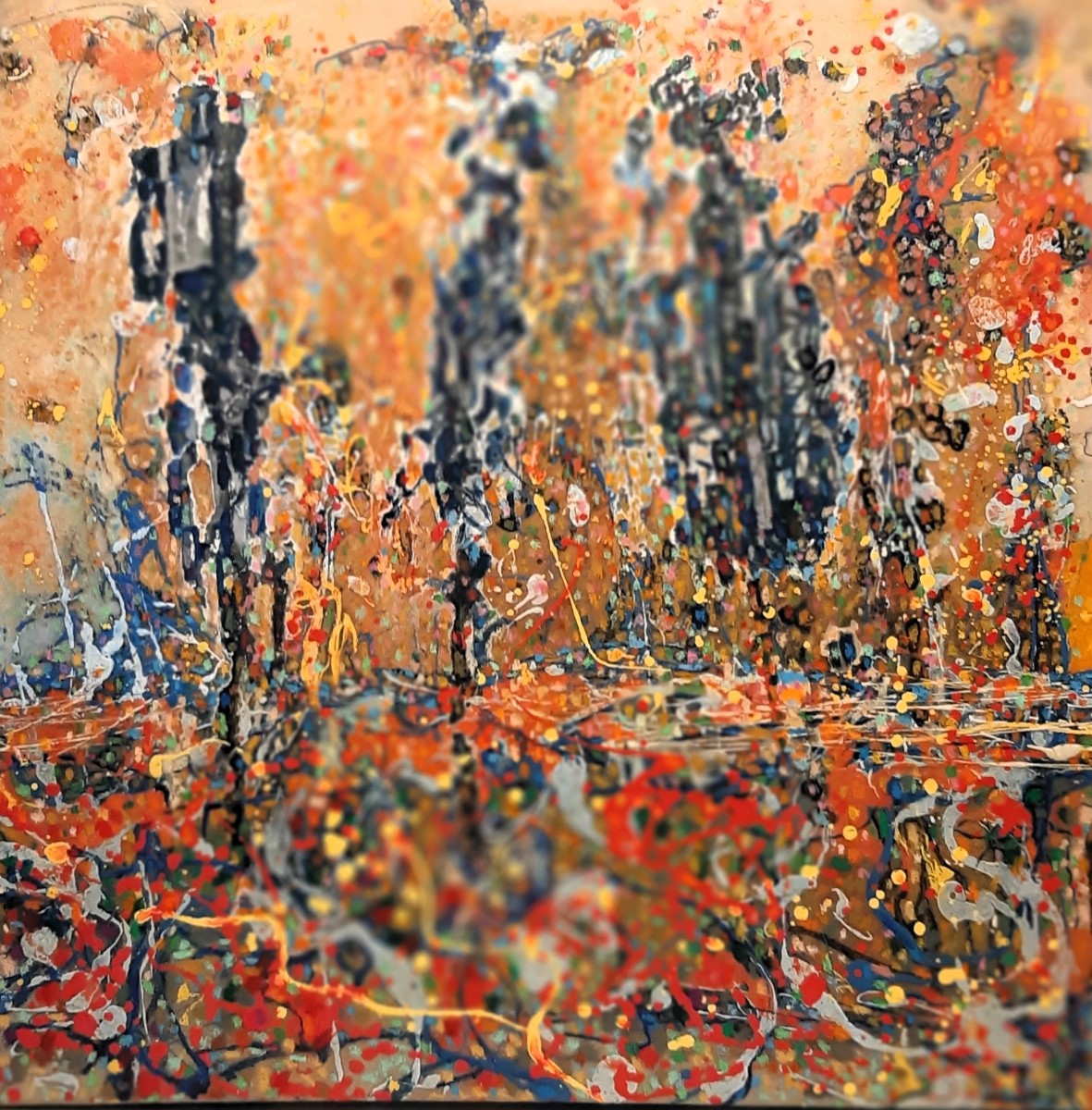
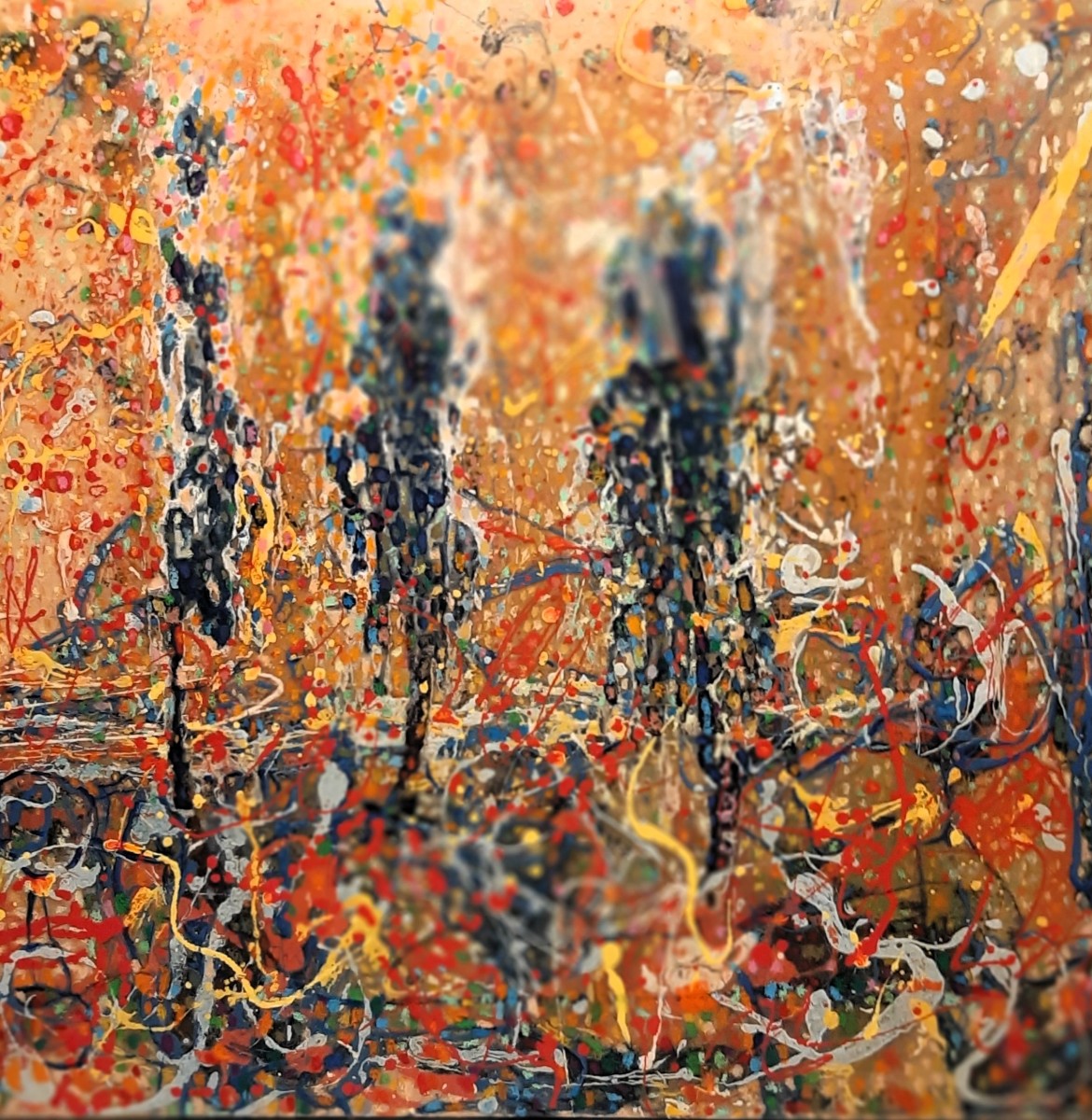
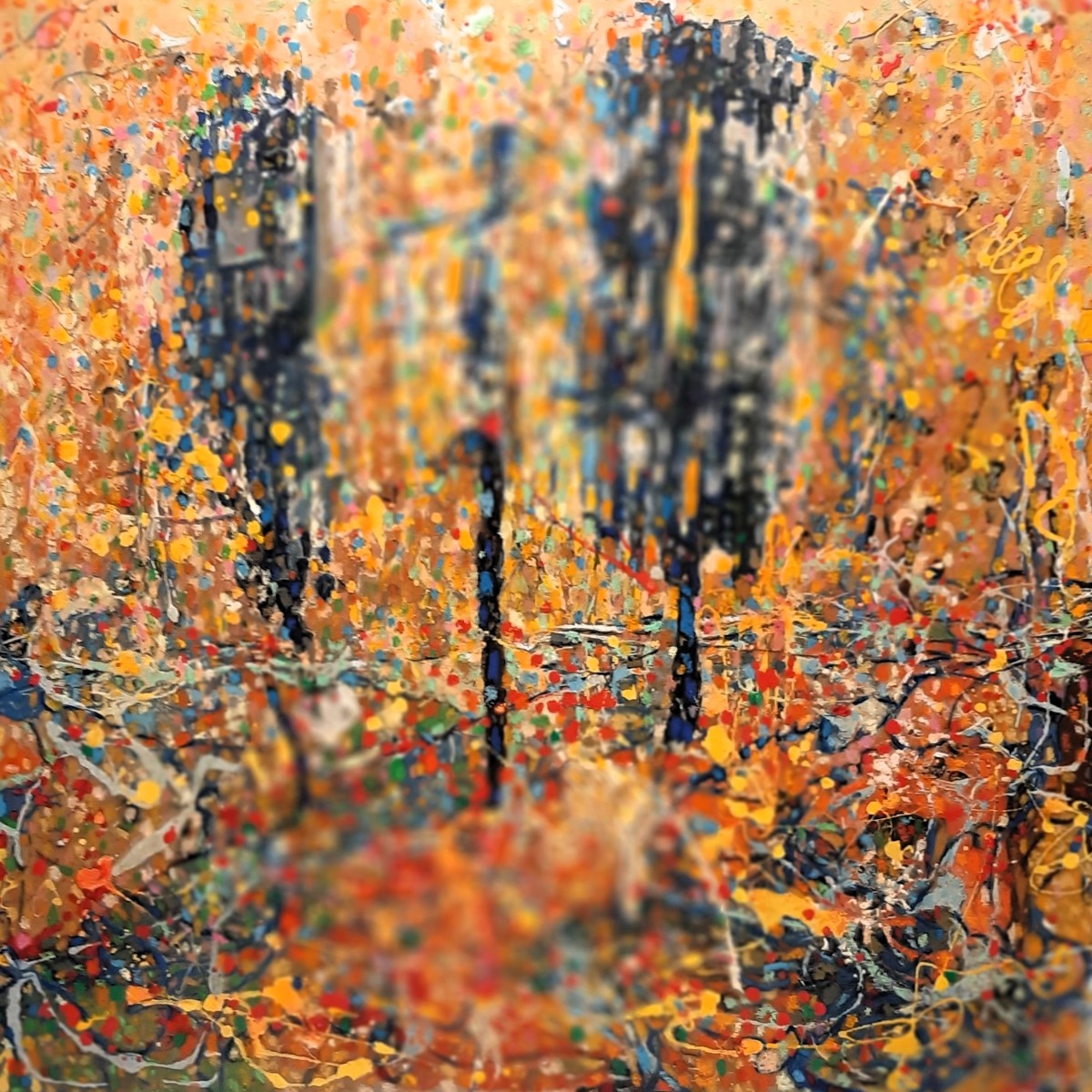
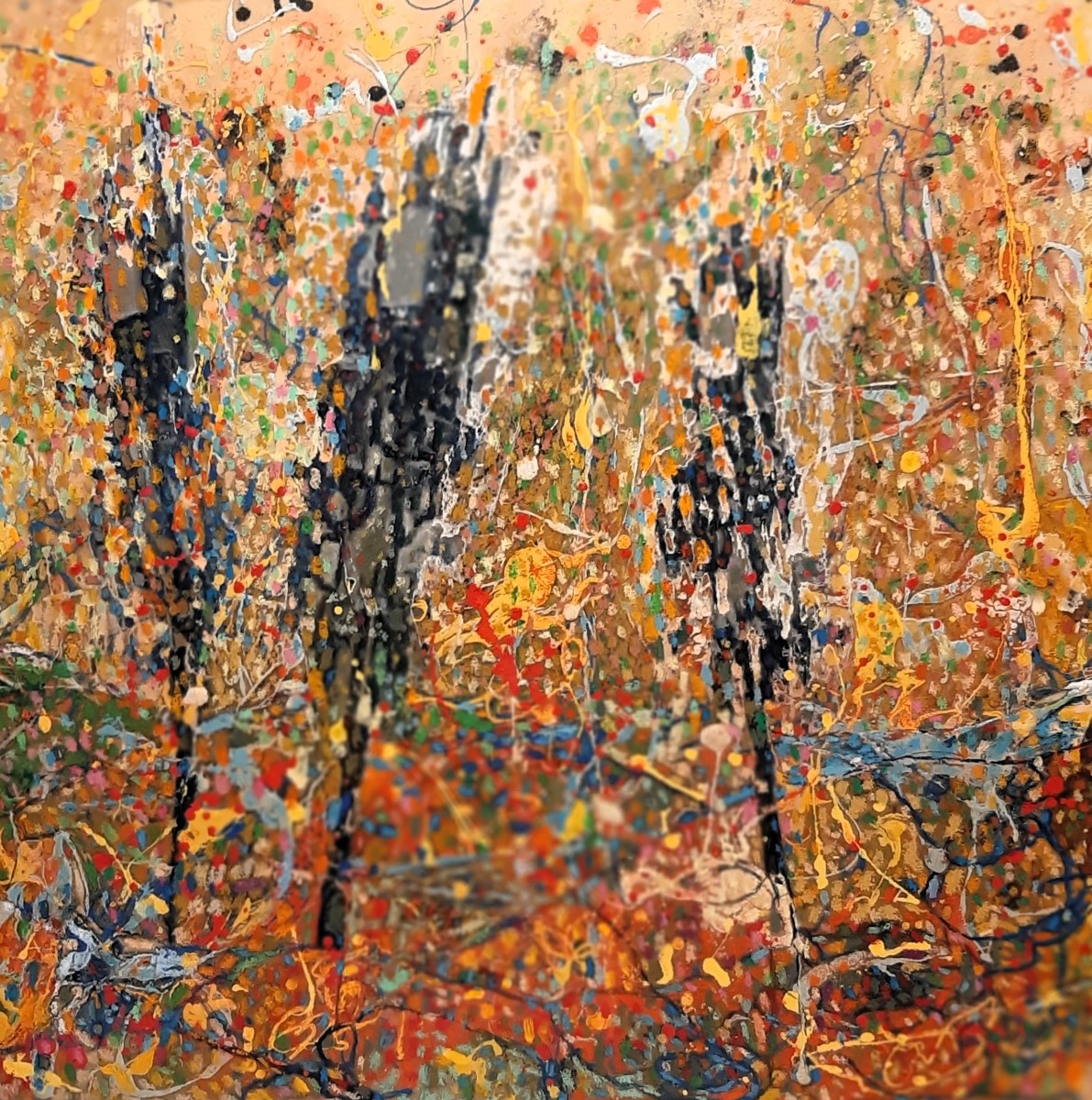
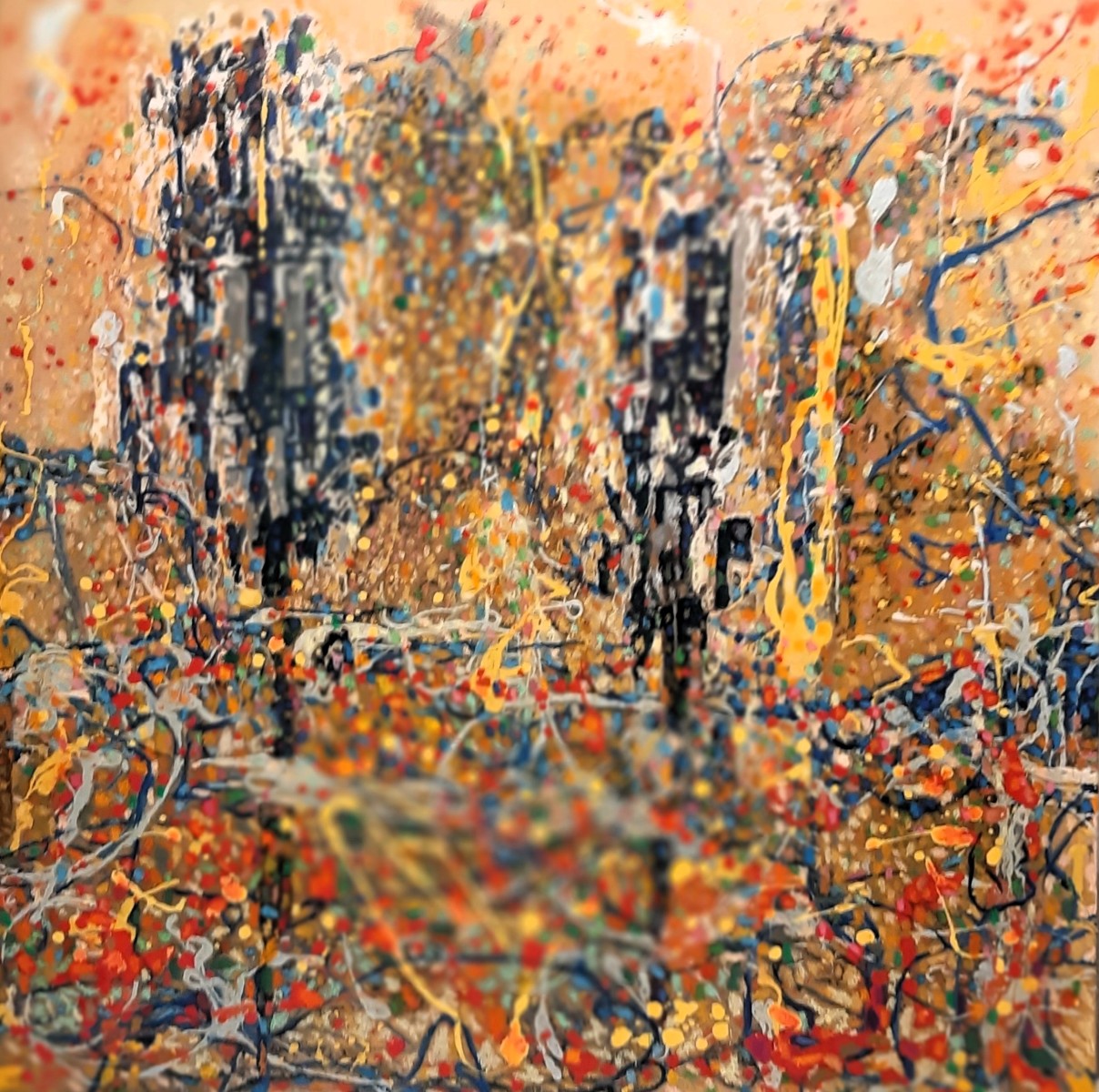
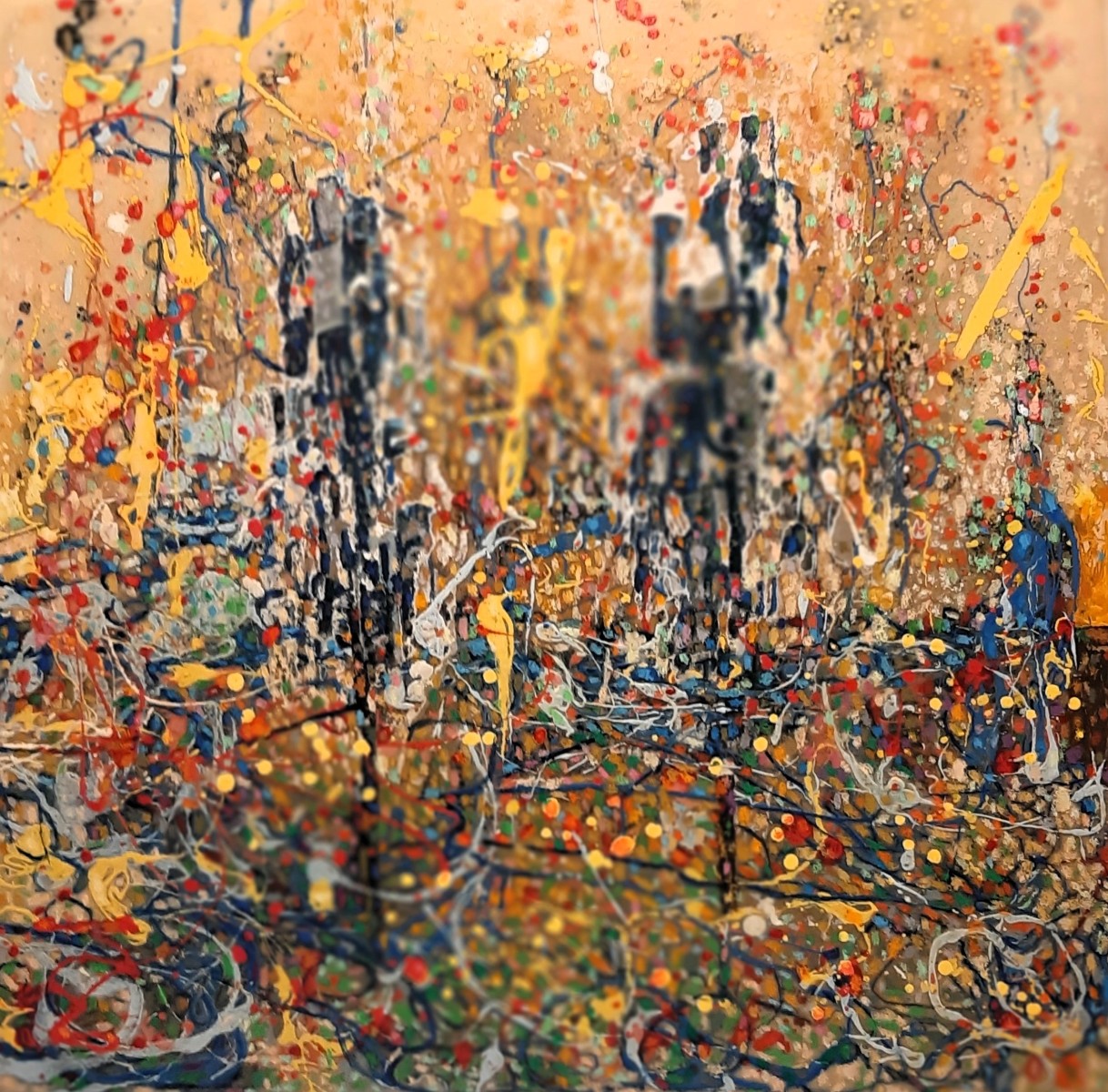
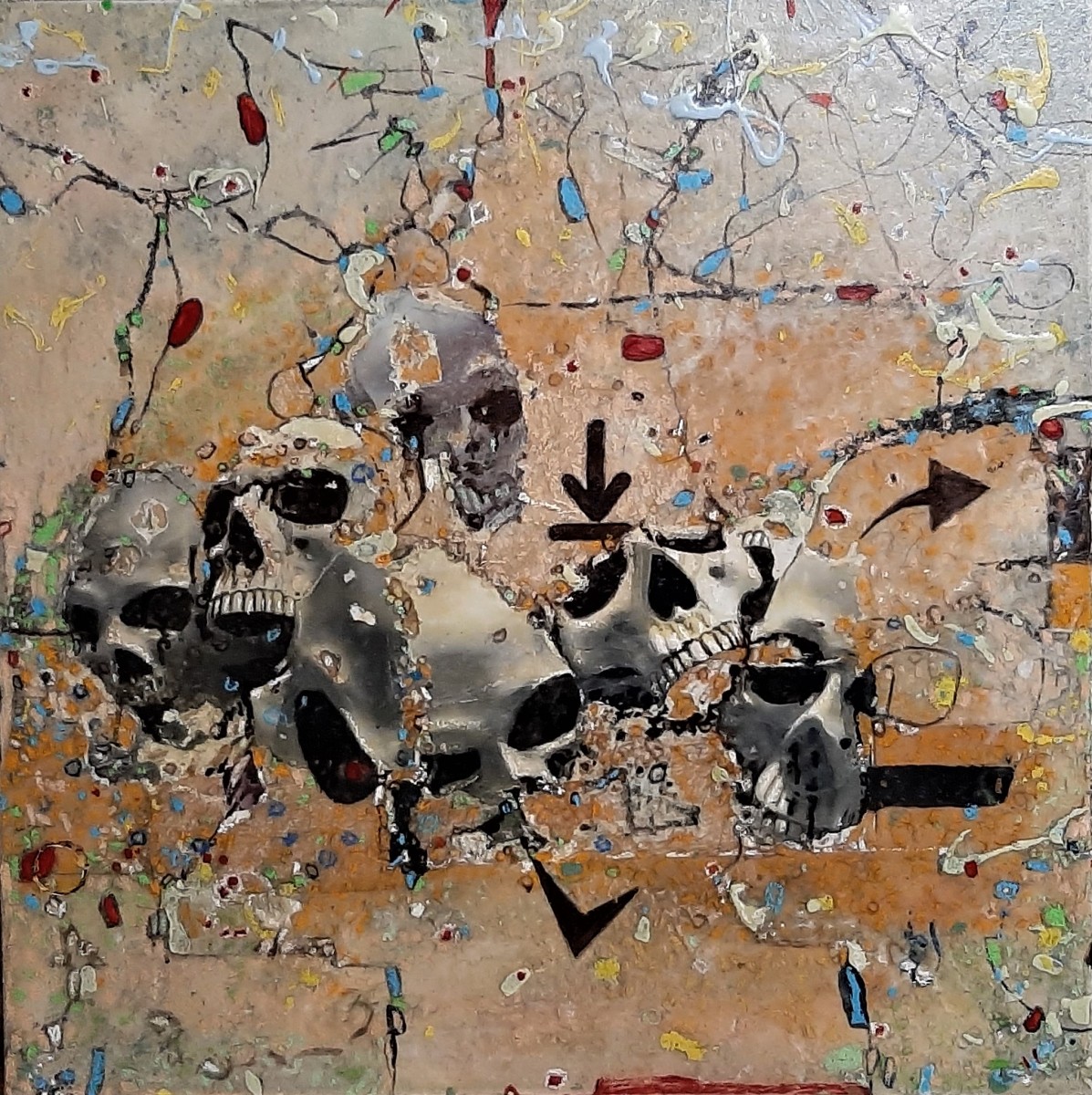
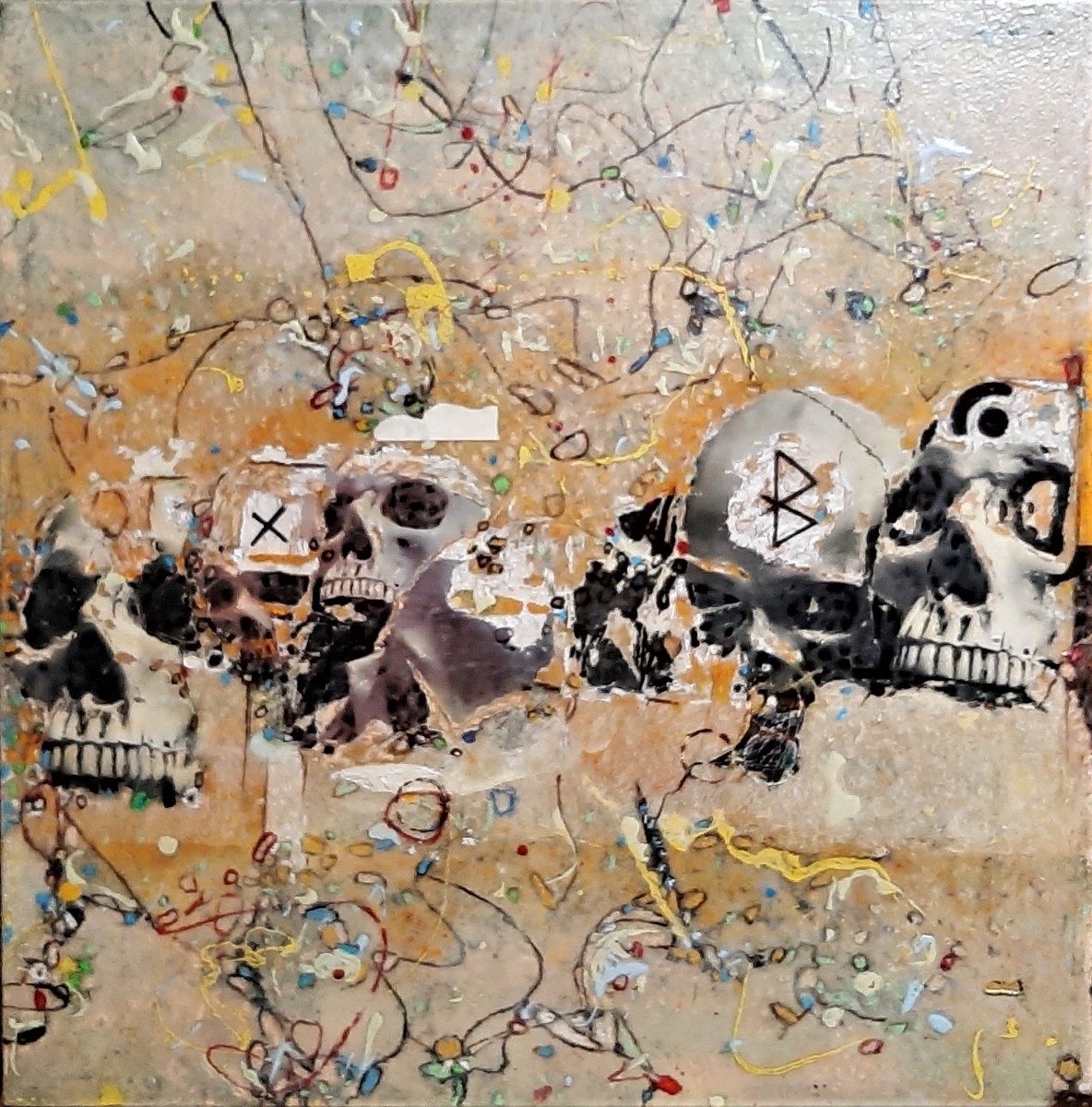
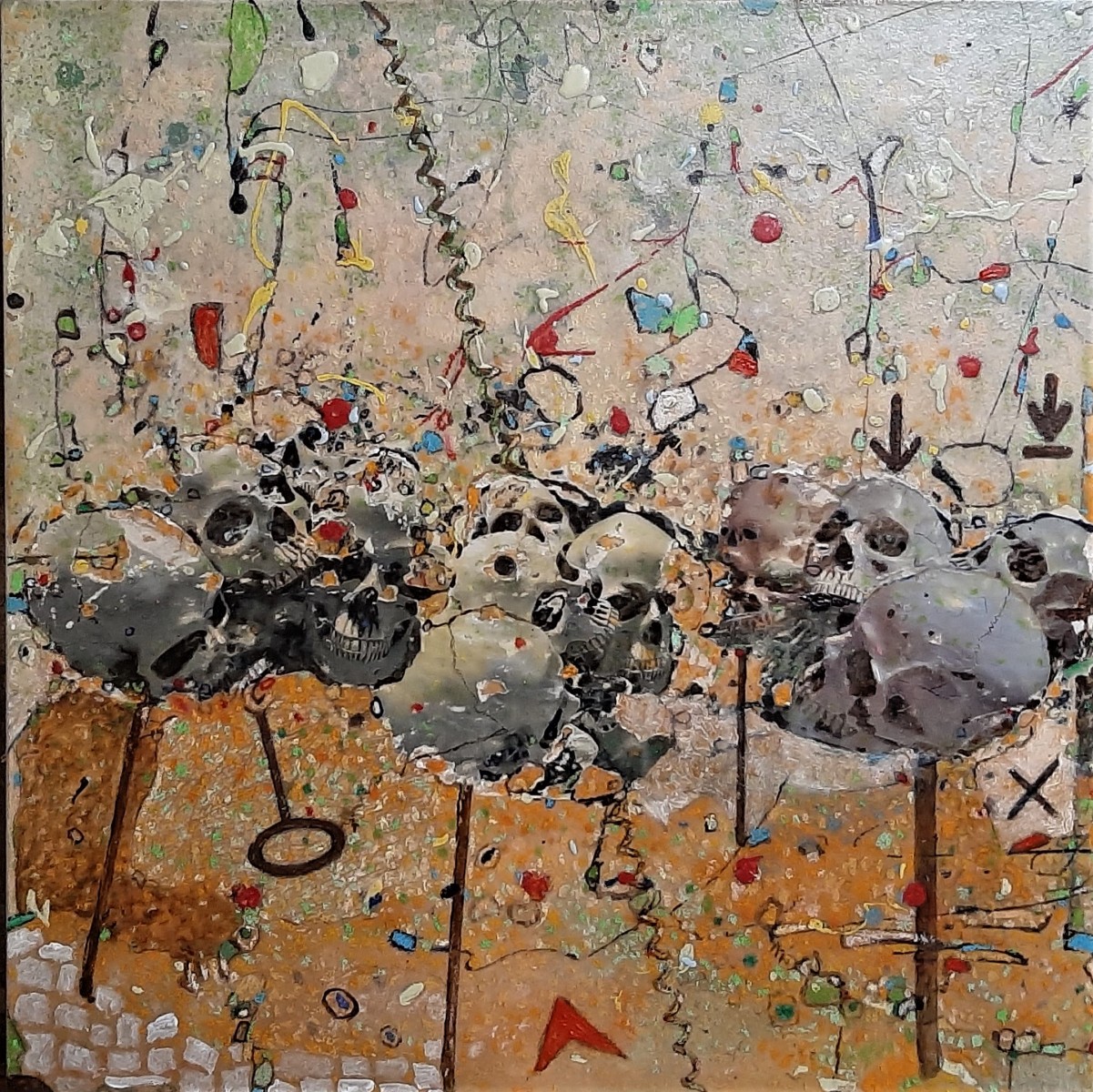
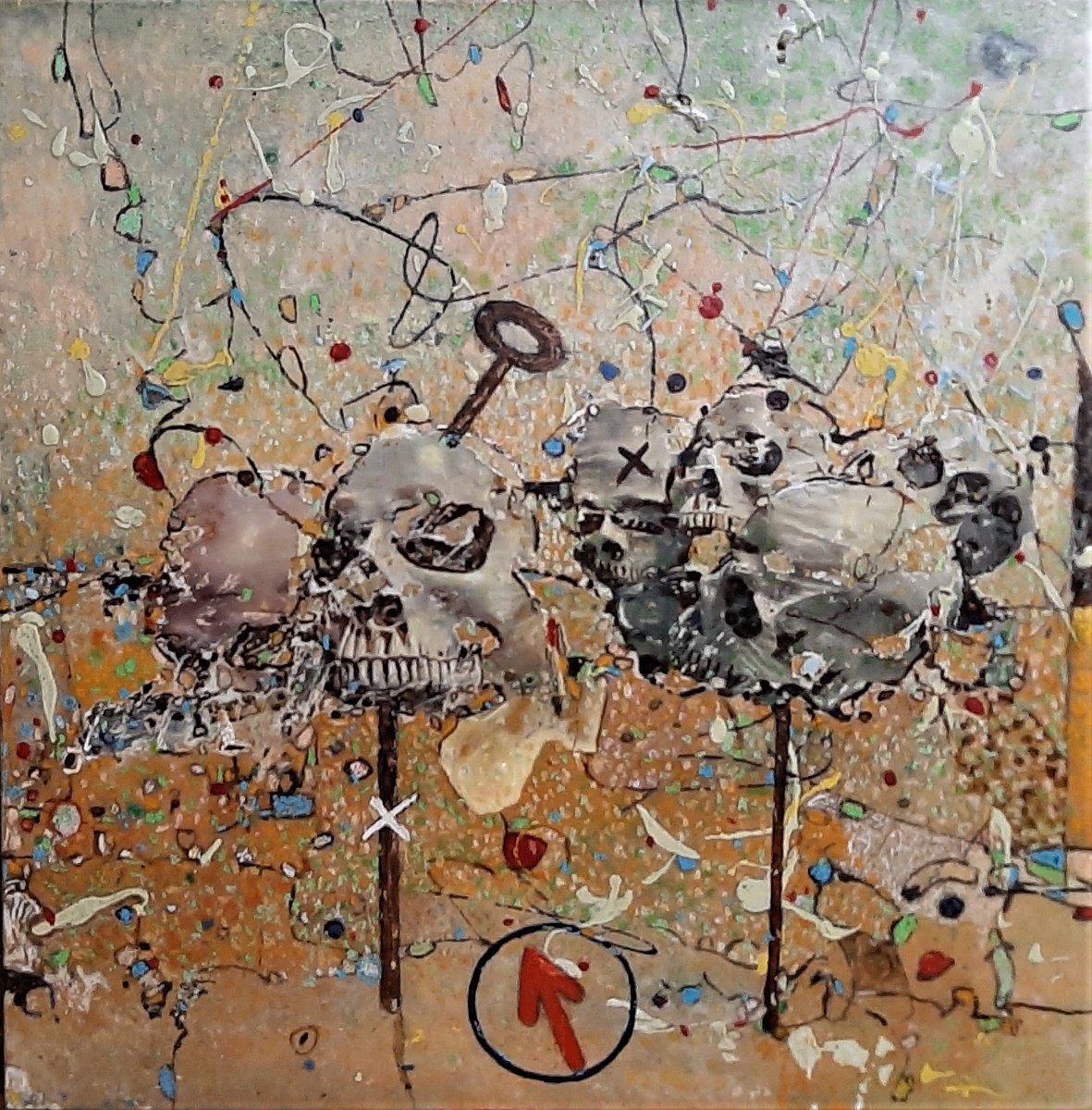
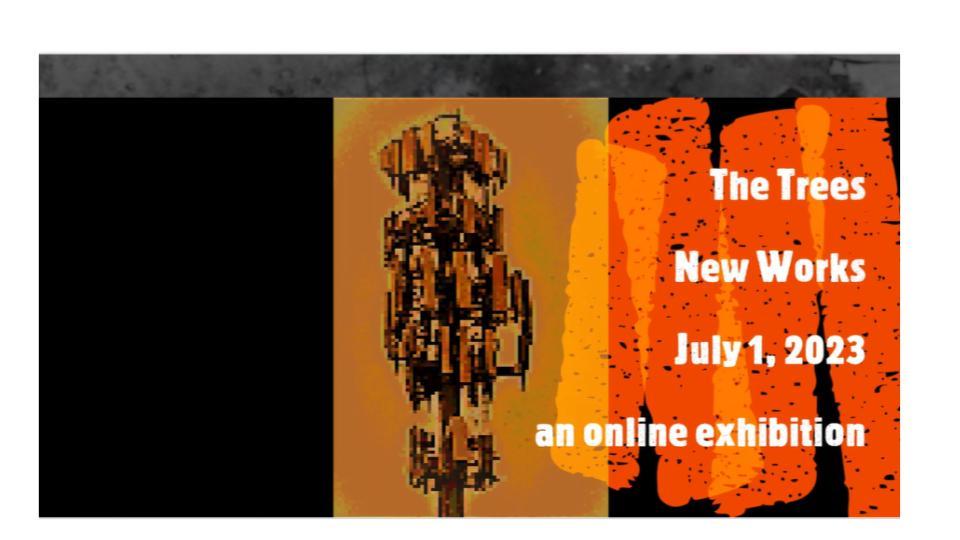
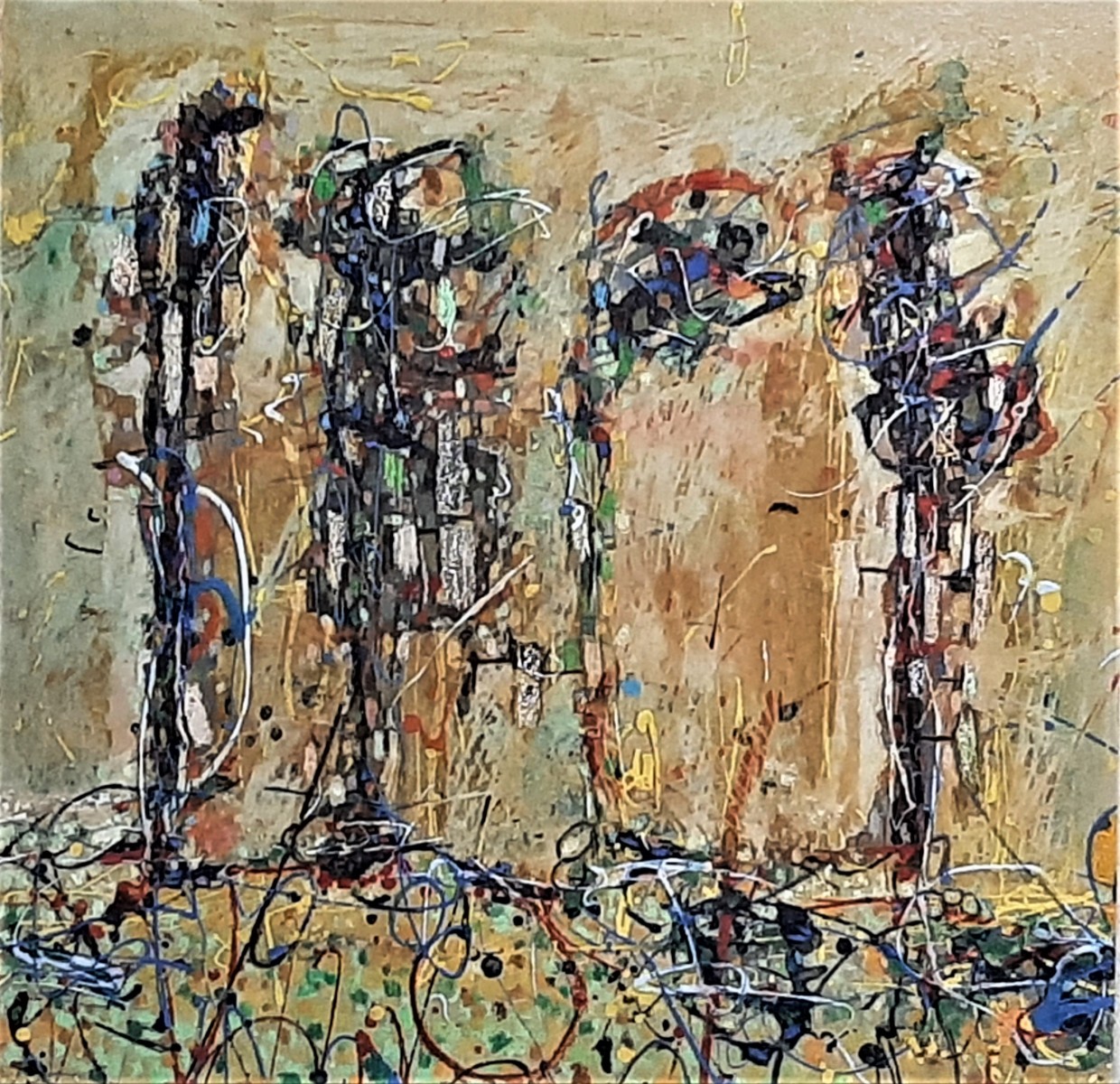
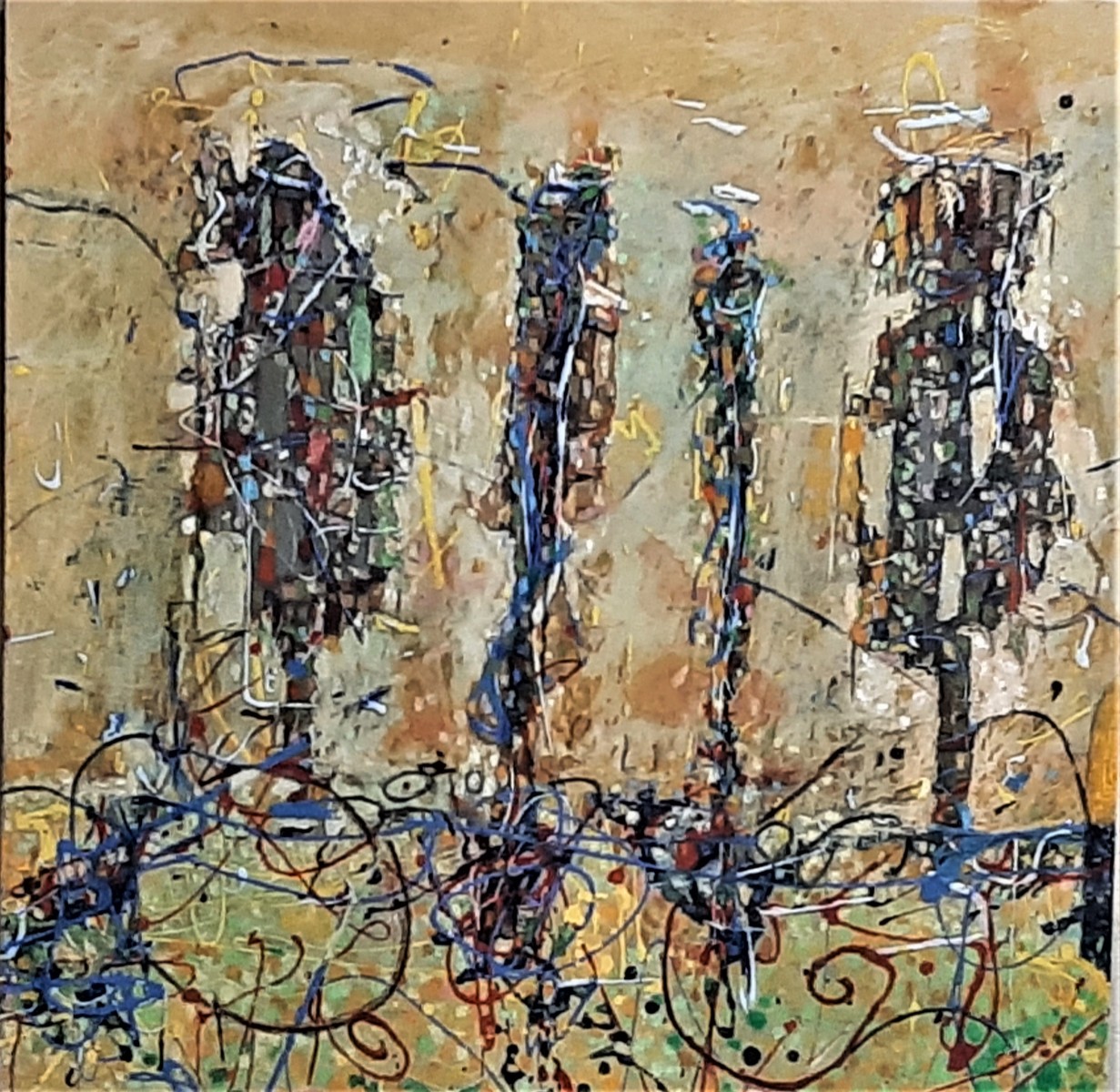
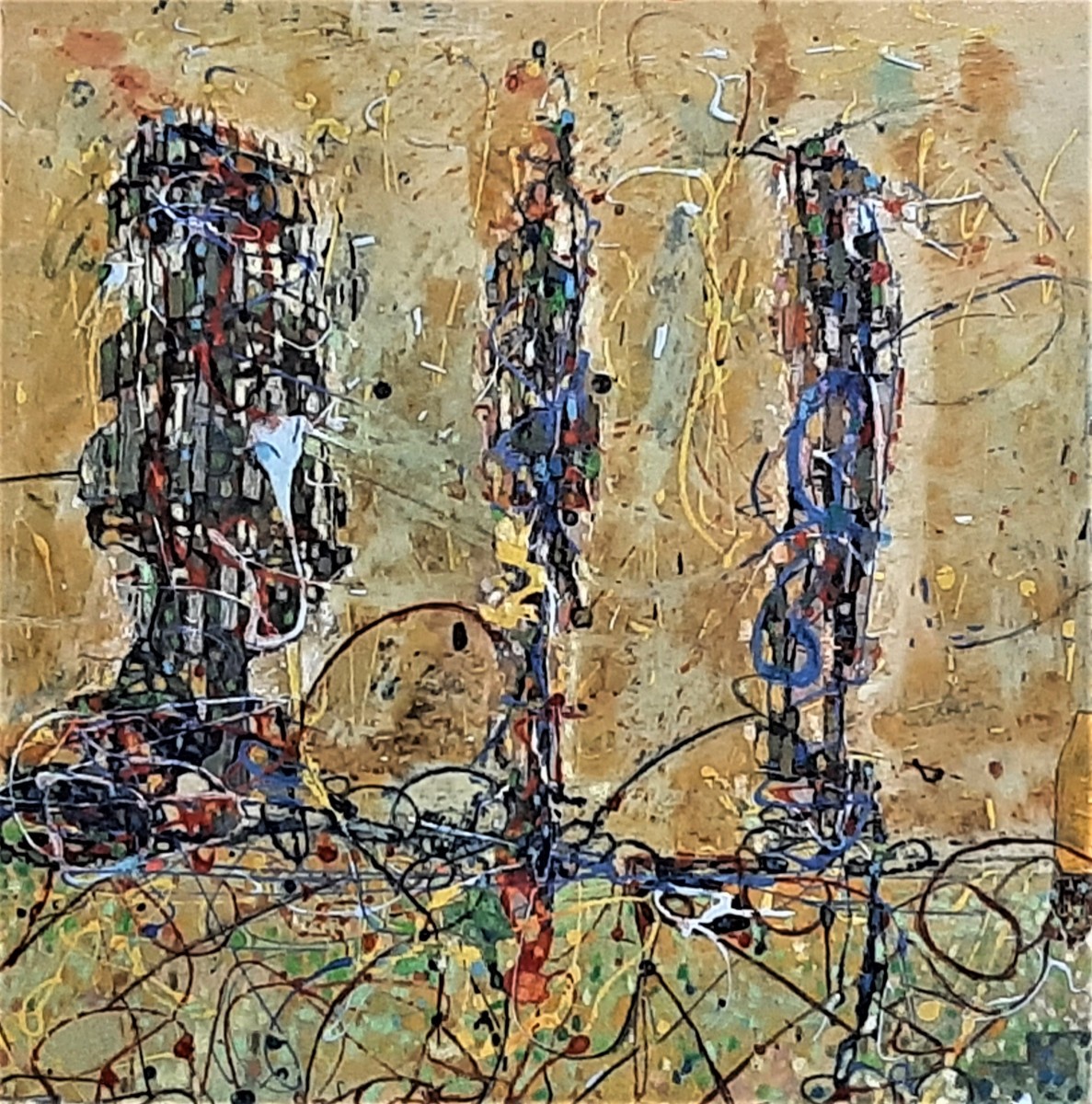
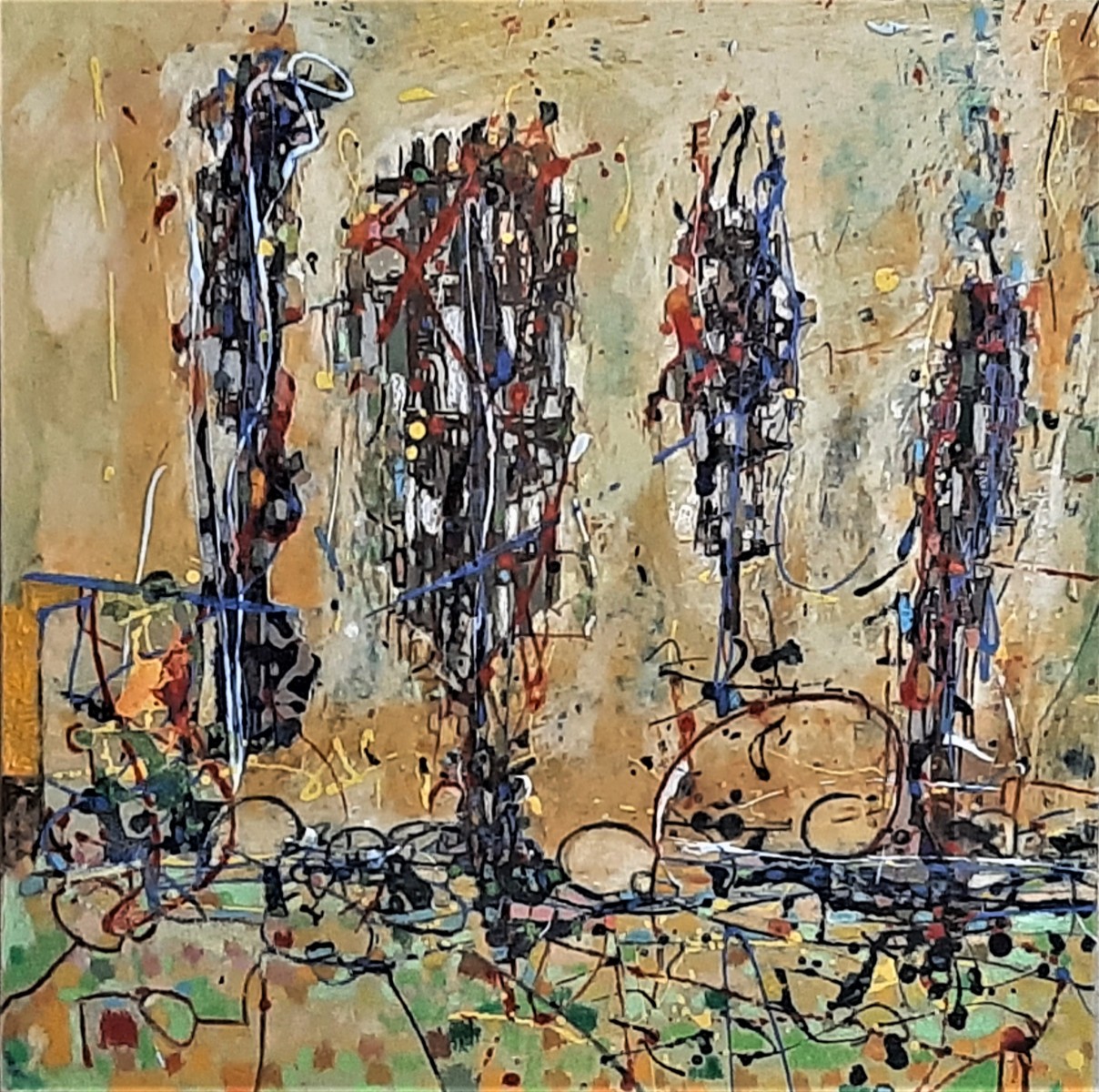
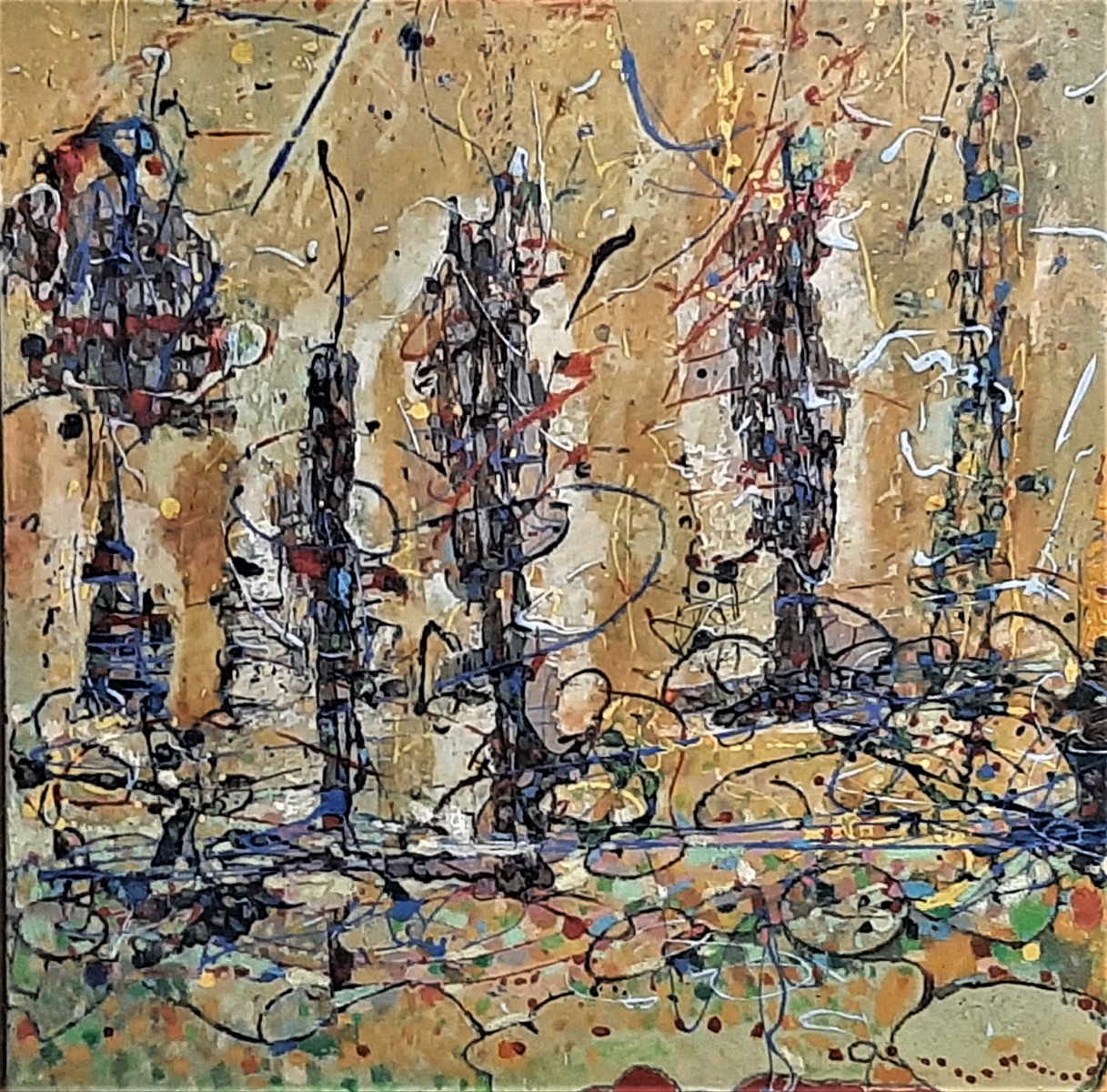
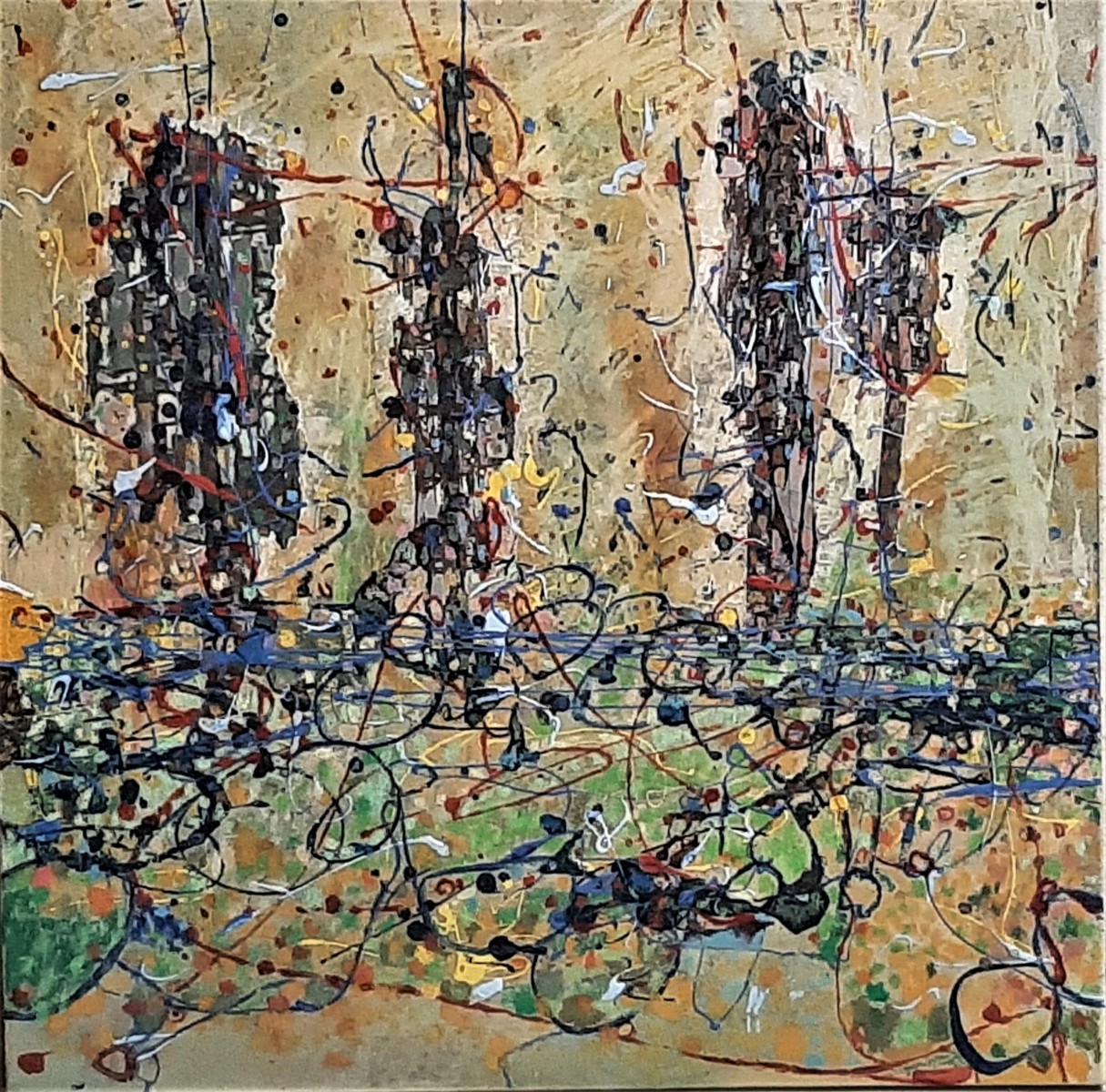
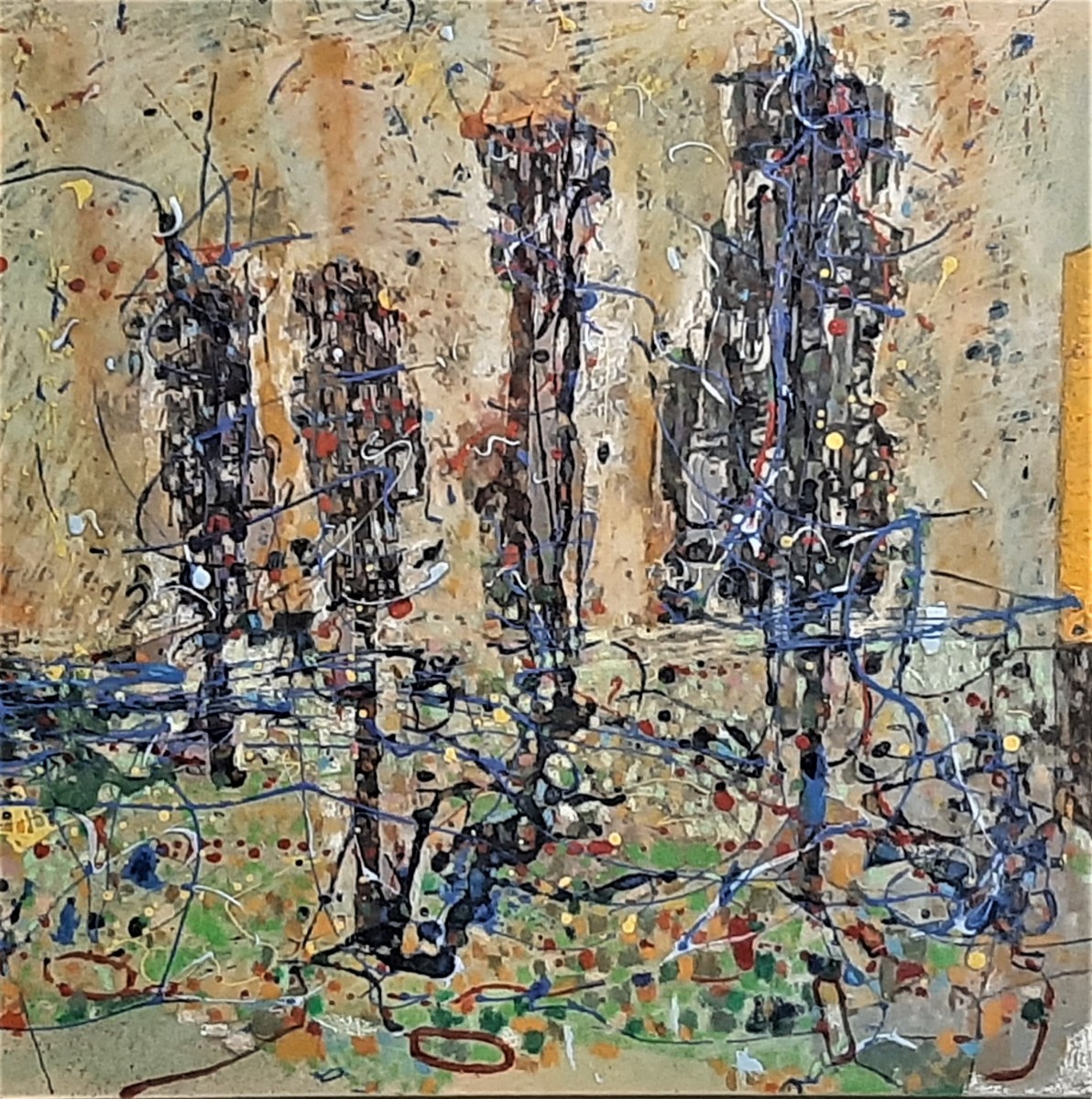
Experience is the mother of illusion and the spirit sees its inventions. The new works are my interpretation of cell towers as mechanical trees that spire over impermanent greenery and transient landscapes. Their charge and energy have melted into pre-existence and the colours they emit have bonded with our consciousness. At first they seem like cold and lifeless overgrowths of transformation, but now with comfortable resistance we greet them as “Trees”.
Bariffe July 1, 2023
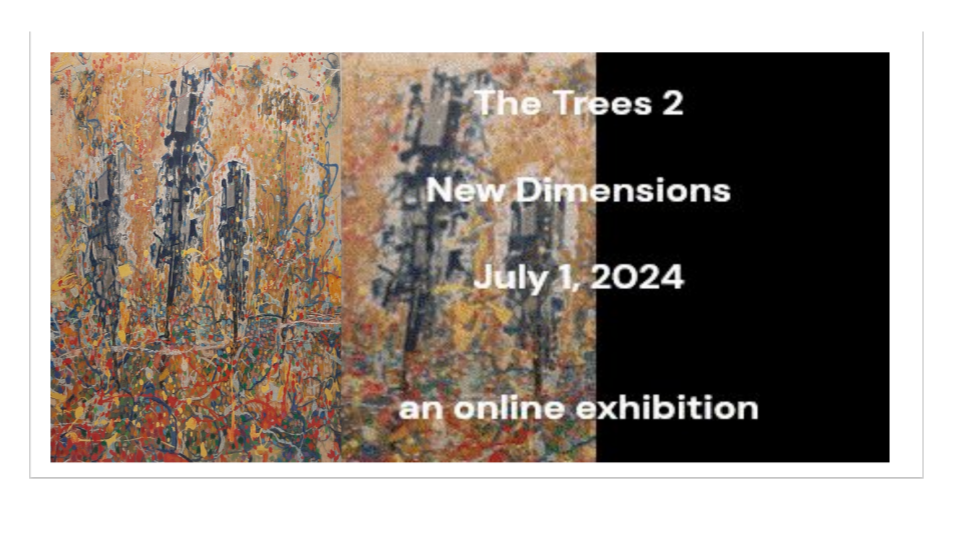
“The Trees 2”
“New Dimensions 2”
Statement:
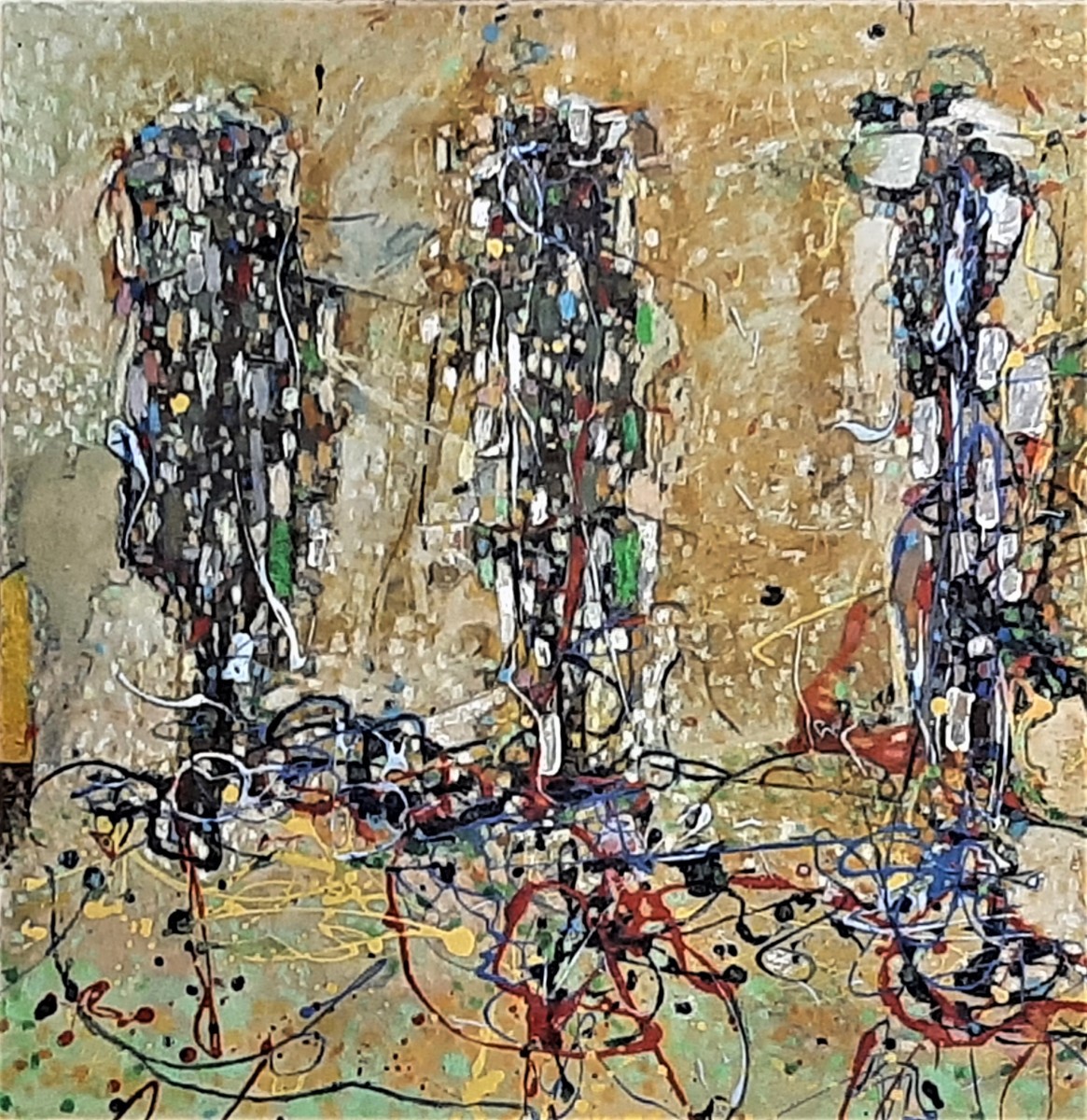
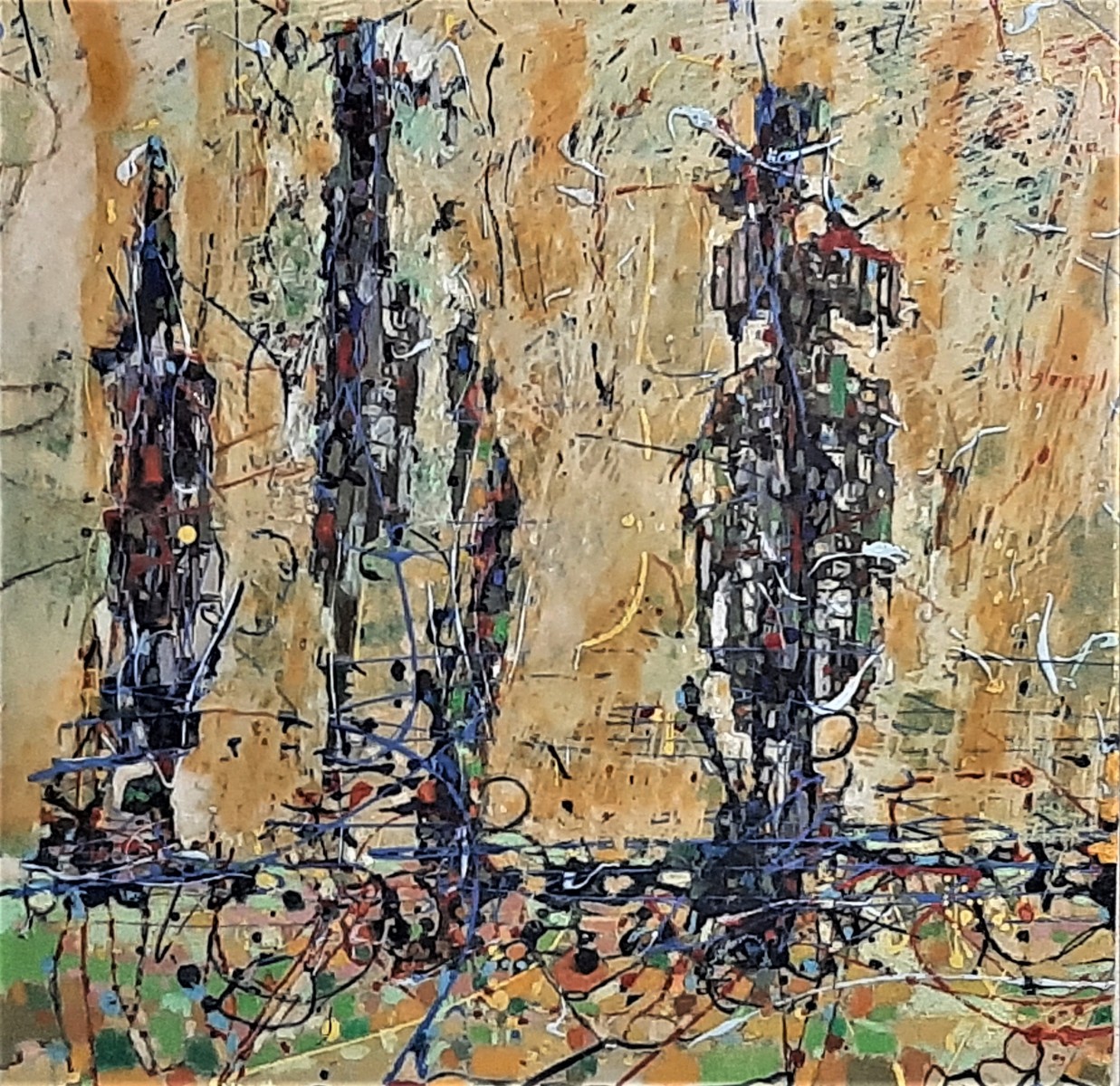
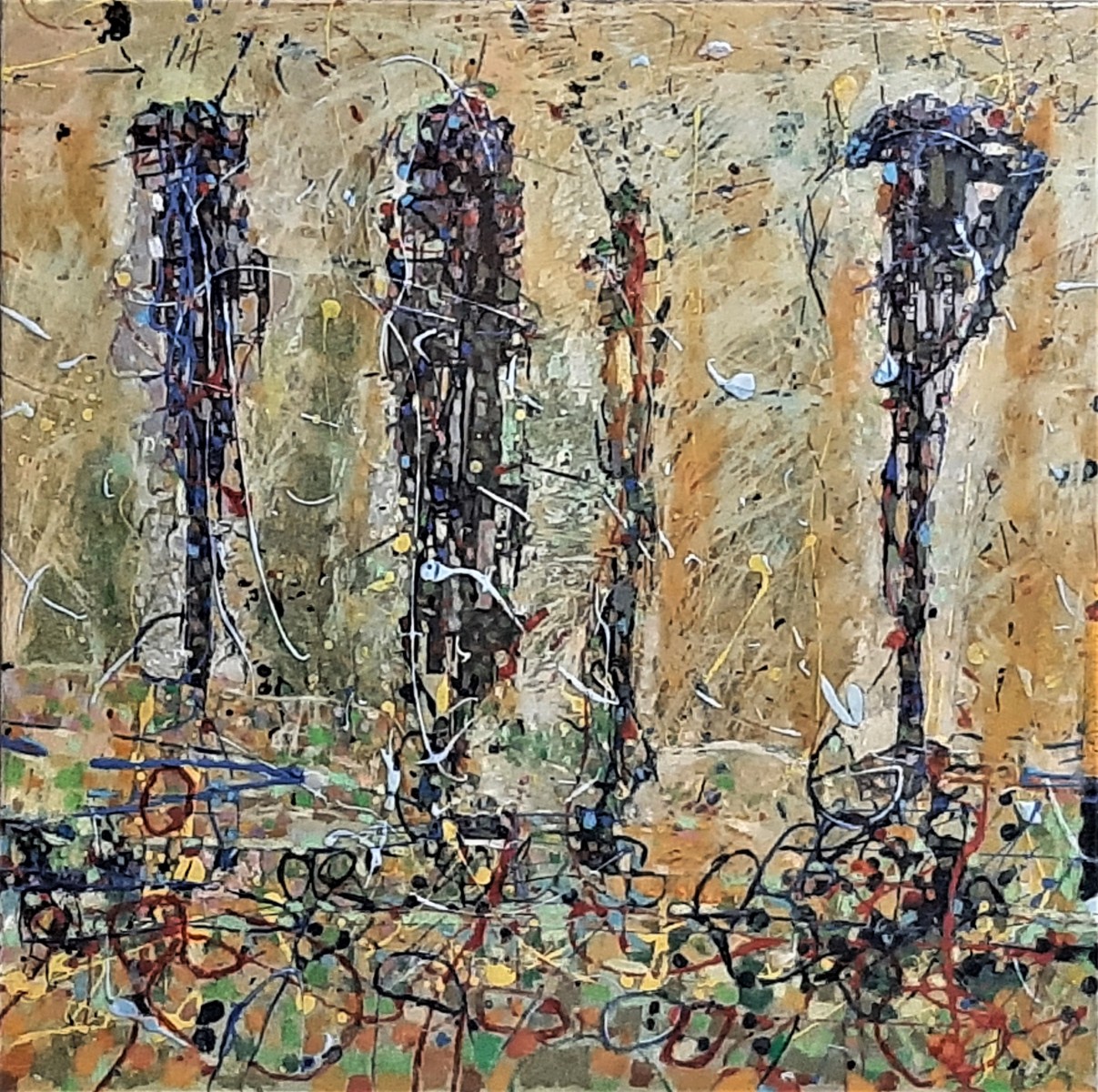
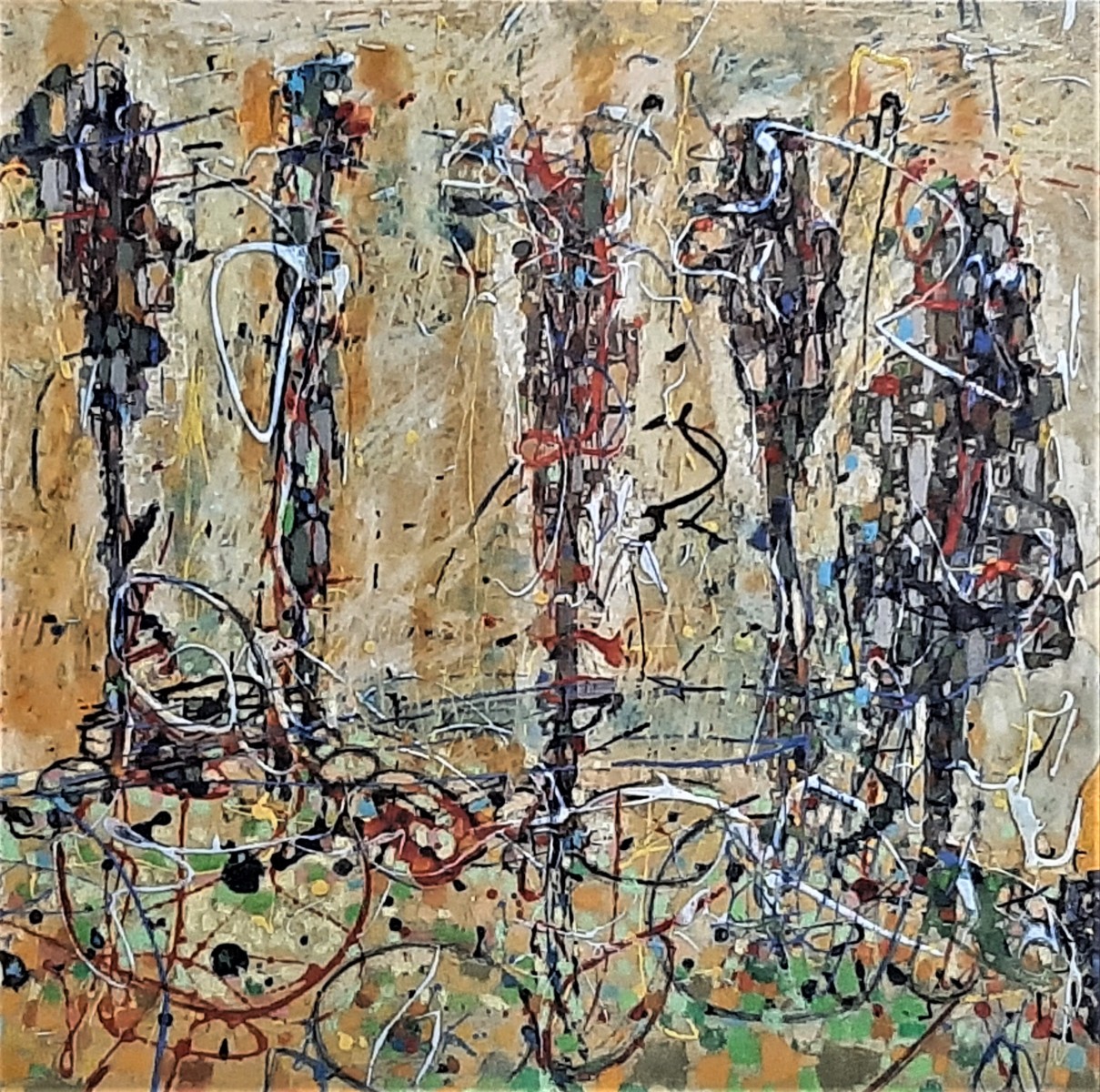
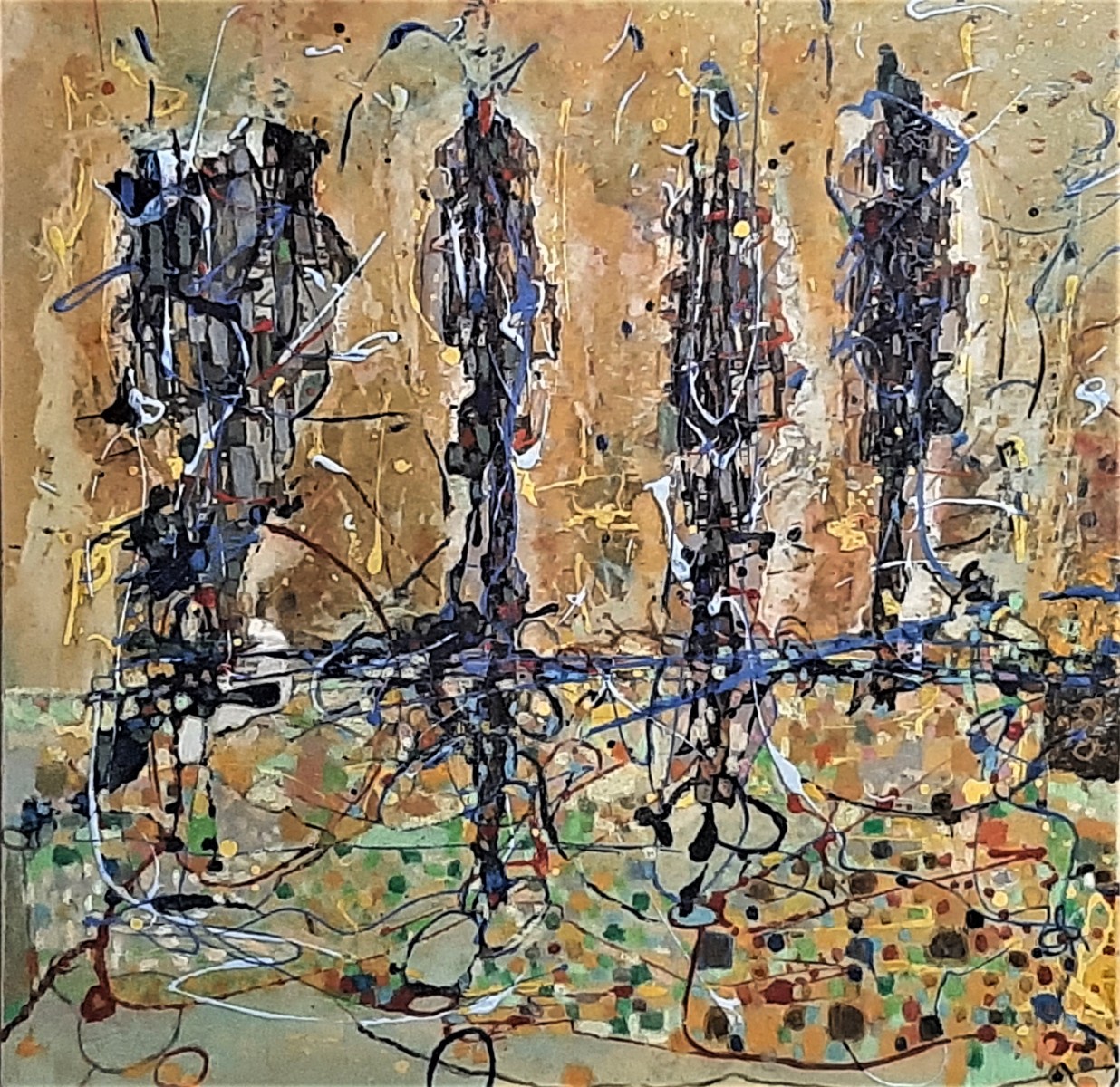
The new series is a continuation of the last ‘The Trees’. The new works seek to explore further the intensification of the colour spectrum. The surfaces are again reworked over and over again, this time giving the same amount of attention to background, image and foreground.
The subject matter still, cell towers, that dot the landscapes like silvery foliage, their charge and energy repetitiously transforming the topography of the mind. At second glance they are reminiscent of transfigurative alterations of ” The Trees 2″.
Bariffe July 1, 2024